

Search the blog
How Long Does It Take to See Results From Peptide Skincare?
Some skincare products make an immediate impression. A moisturizer may leave the skin feeling softer within minutes. An exfoliating treatment can make the complexion look brighter after a single us...
Signal Peptides Explained: How They Communicate With Your Skin
Peptides have become one of the most widely used ingredients in modern skincare. They appear in everything from anti-aging serums to eye creams, often promising smoother, firmer, or healthier-looki...

At-Home vs. In-Clinic Skin Treatments: What the Science Says About Effectiveness
Professional skin treatments are often seen as the gold standard. At-home devices, by comparison, are sometimes viewed as a compromise.But is that really true?As research into skin biology has expa...
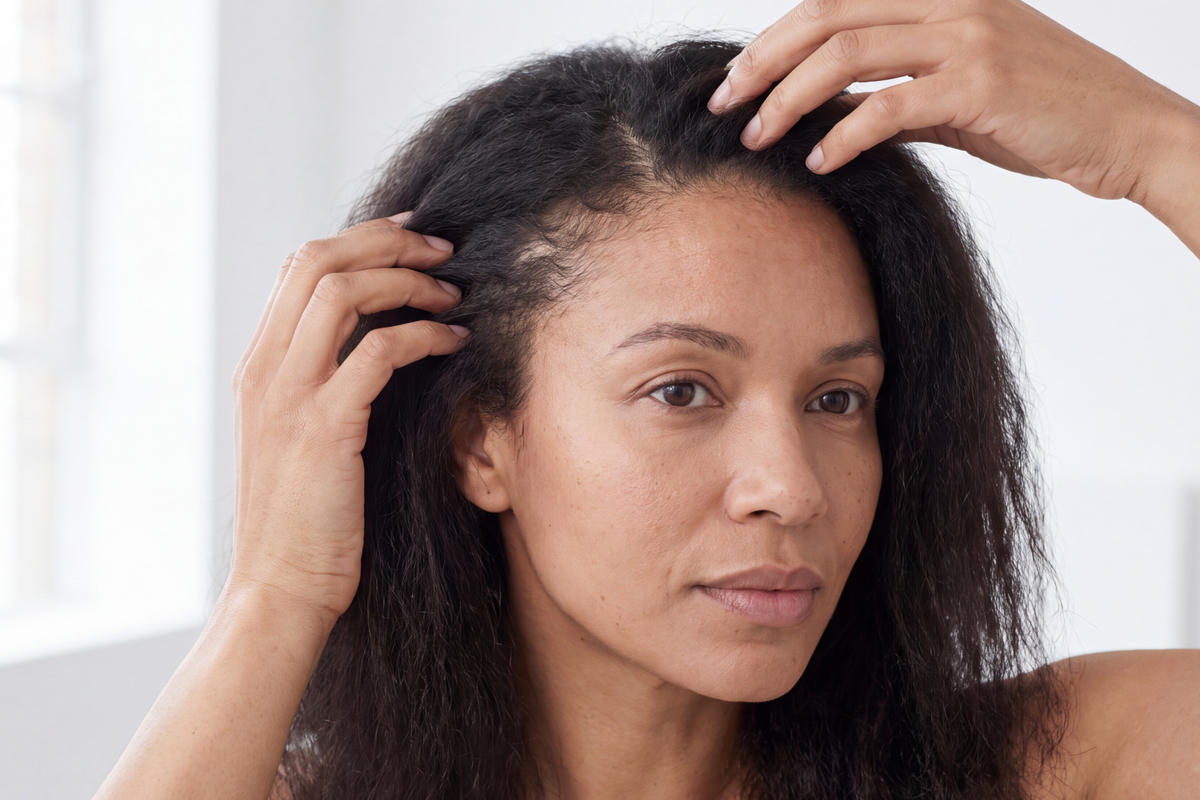
Why Hair-Growth Treatments Require Consistency
If you've ever started a new hair growth routine, you've probably asked yourself the same question after a few weeks: "Is it actually working?"But unlike skin, which constantly renews its surface, ...

Skin pH Explained: Why It Matters More Than You Think
When people think about healthy skin, they often focus on visible factors like wrinkles, hydration, or the latest active ingredient. Yet many of those things depend on something far less obvious. Y...
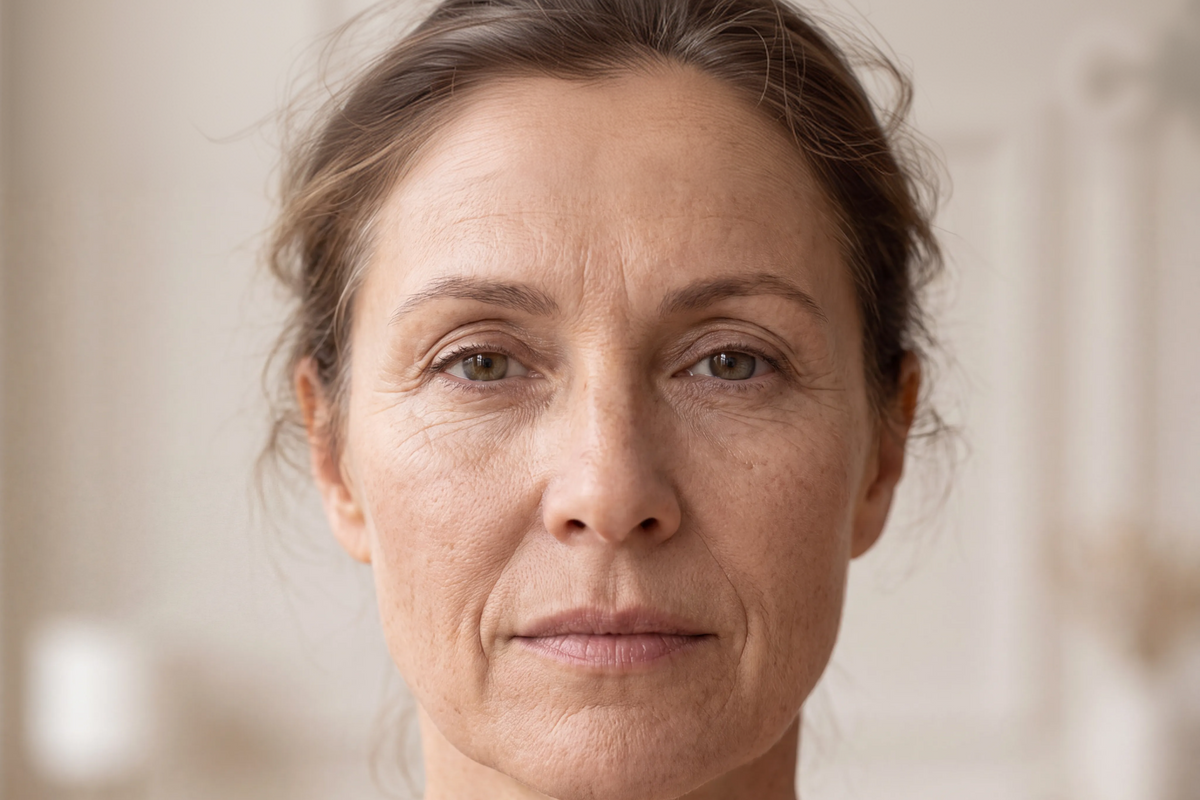
Dynamic vs. Static Wrinkles: Why the Difference Matters for Your Skin
A wrinkle can look completely different from one moment to the next. A faint line may appear when you smile, disappear when your face relaxes, and then gradually become noticeable even when you are...
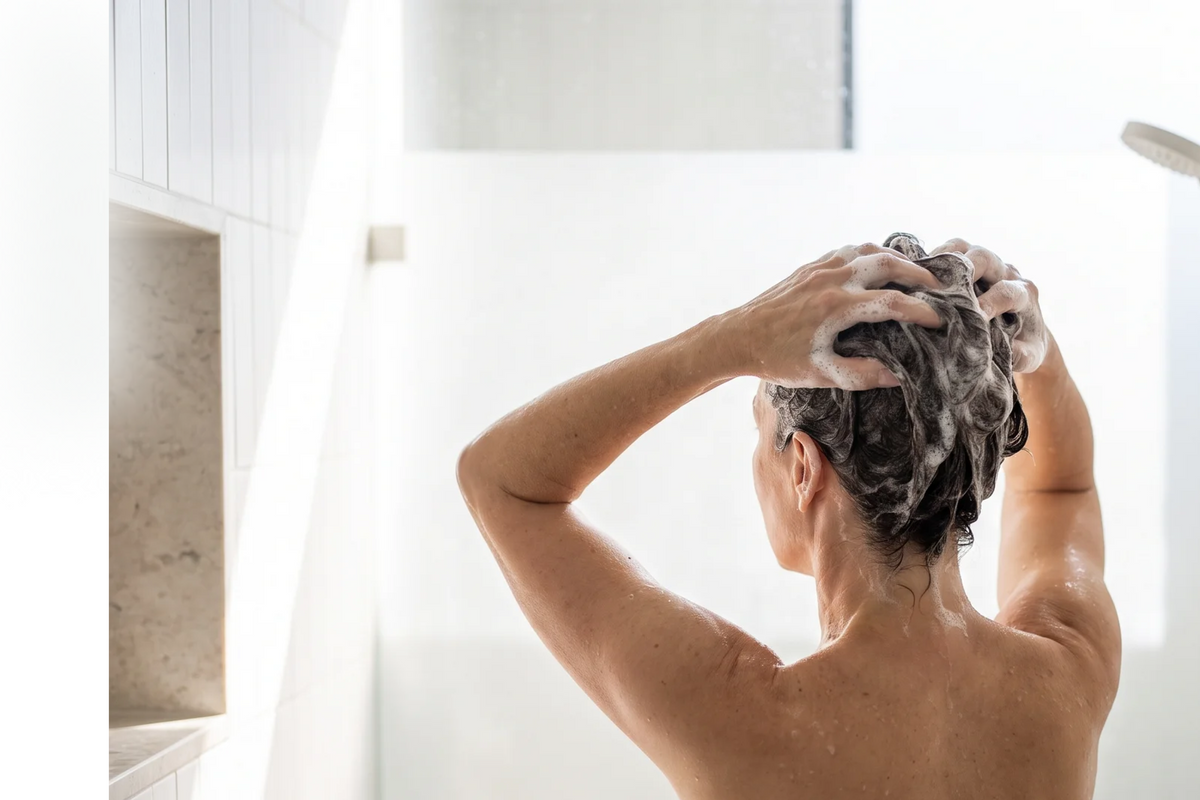
Can Hard Water Cause Hair Loss? The Truth About Your Scalp and Hair
Many people notice changes in their hair after moving to a new home or traveling to an area with hard water. Hair may feel rougher, become more difficult to style, or seem to shed more than usual. ...
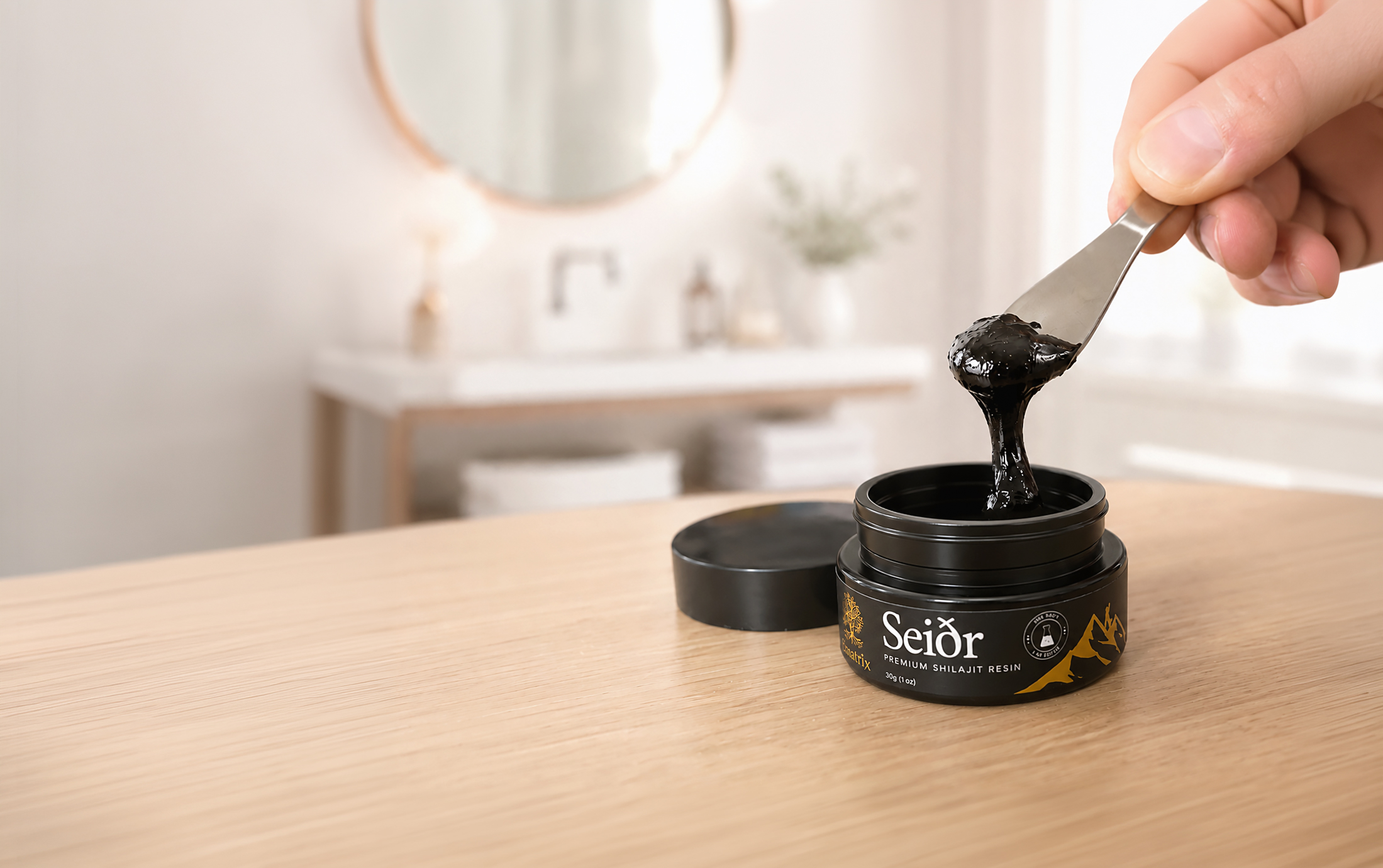
Can Shilajit Support Skin Health? What the Science Says About Shilajit Skin Benefits
When people think about healthy skin, they usually think about skincare. Moisturizers, serums, peptides, sunscreen, and active ingredients often receive most of the attention. While these products ...

Scalp Sebum Explained: Too Much, Too Little, and What It Means for Hair Follicle Health
When people think about scalp health, sebum, the natural oil produced by the scalp, is often seen as the problem. An oily scalp is commonly associated with greasy hair, irritation, dandruff, and ev...
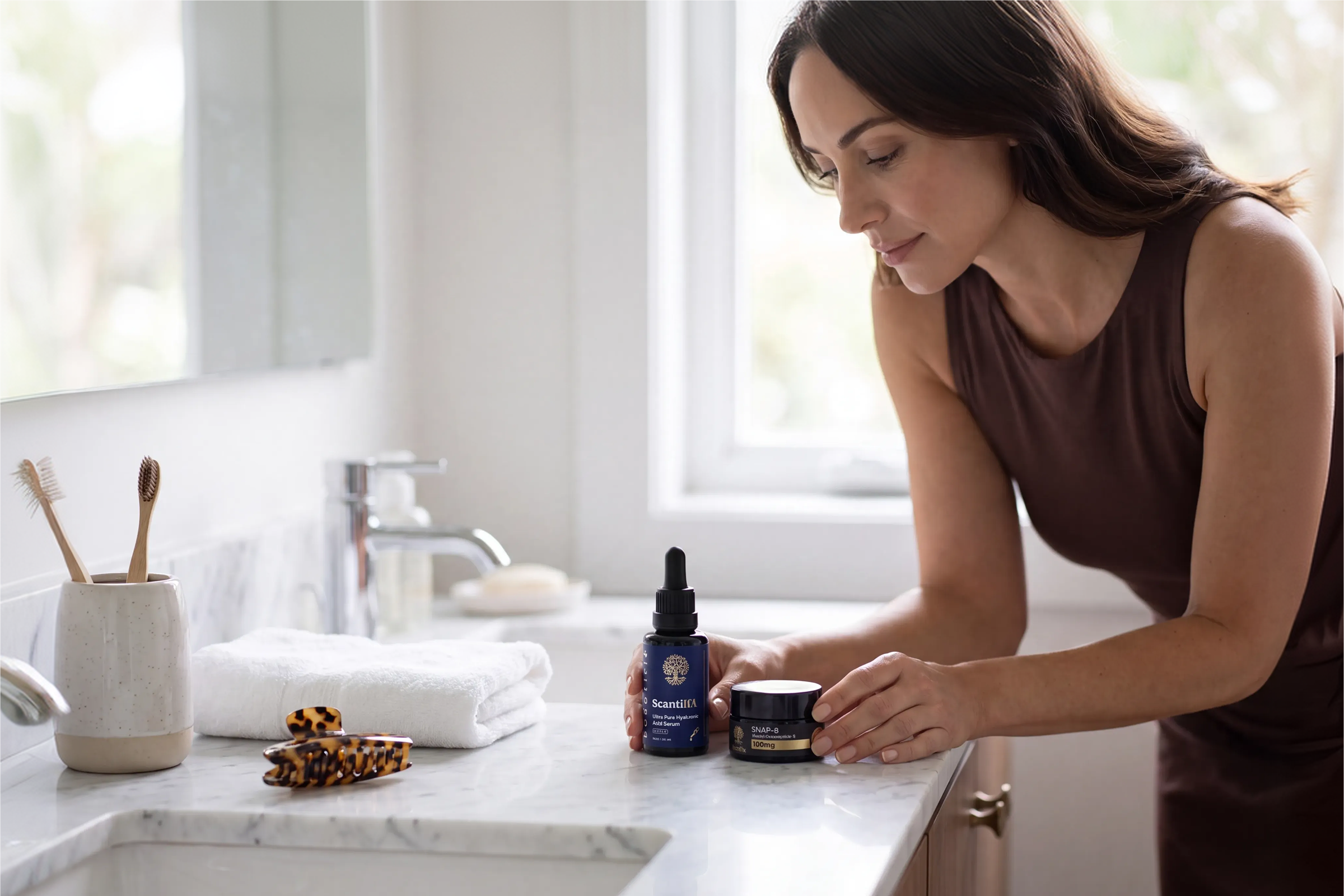
The Science of Peptide Absorption: How to Maximize Topical Efficacy
The skin is remarkably selective about what it allows to pass through. Its outermost layer is designed to keep water in, while keeping bacteria, pollutants, and countless other substances out. It's...
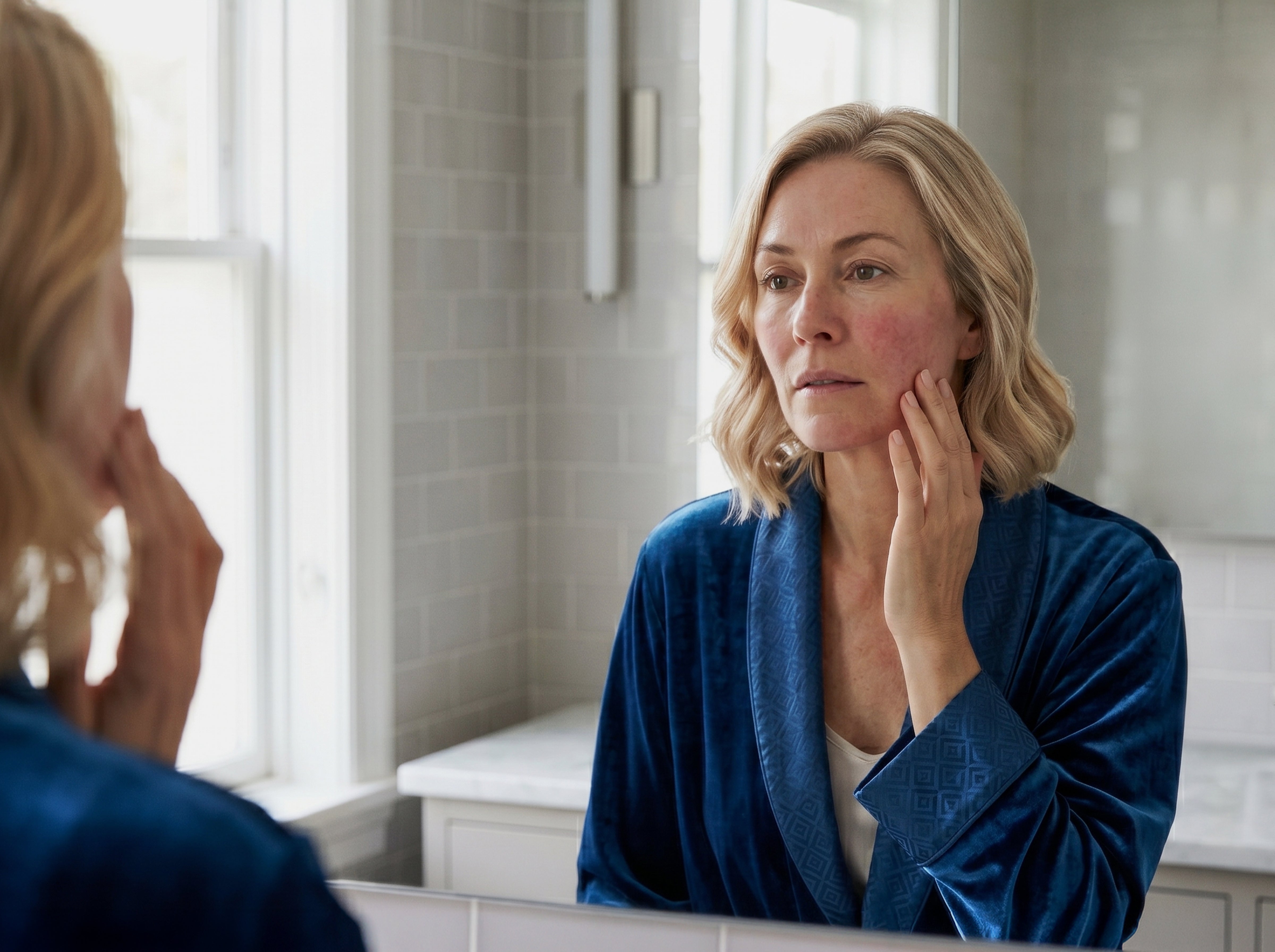
Inflammaging: How Chronic Low-Grade Inflammation Accelerates Skin Aging
When we think about skin aging, the usual culprits come to mind: sun exposure, collagen loss, and the passing of time. But researchers are increasingly focusing on another process that quietly infl...
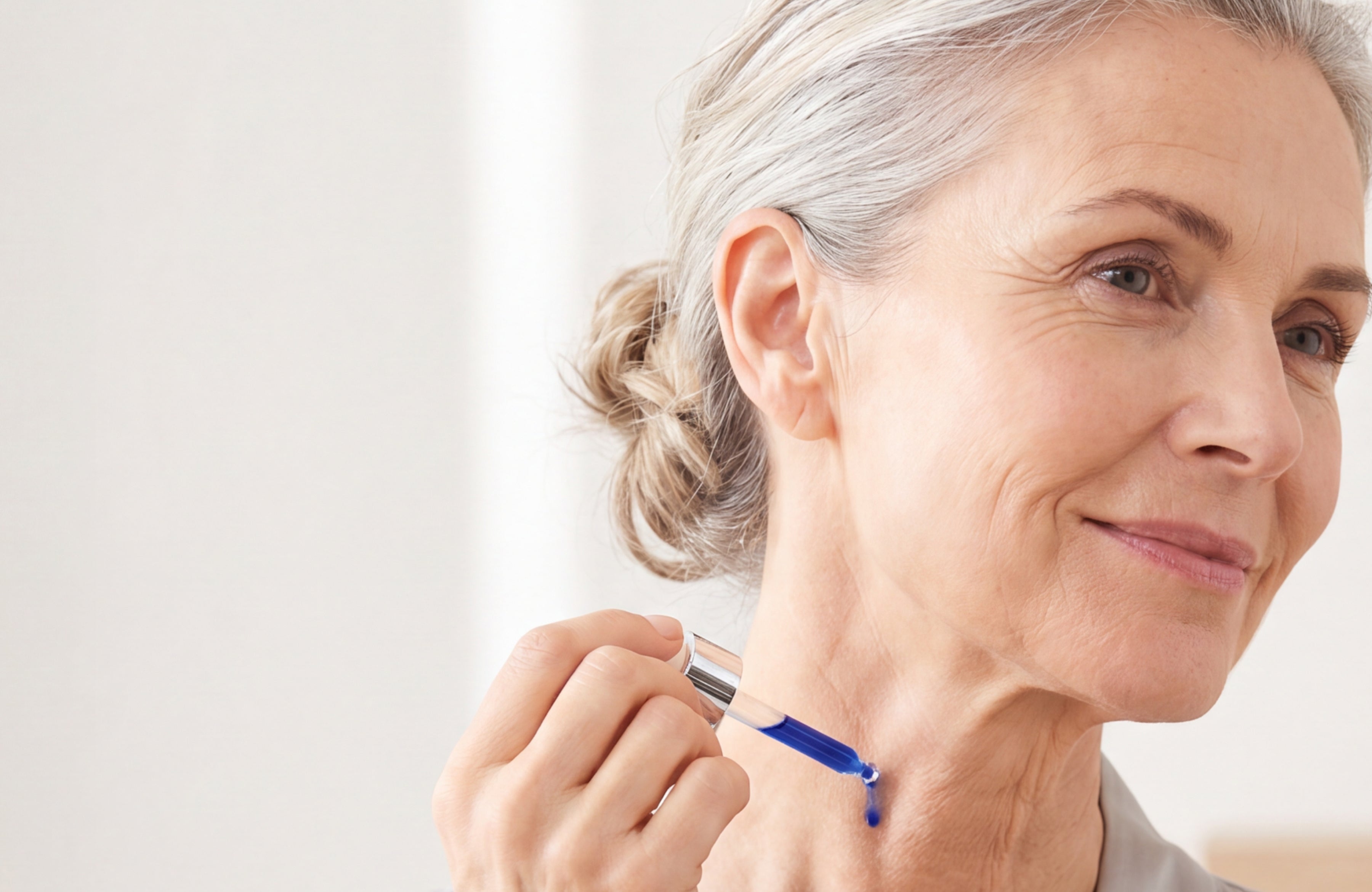
The Neck and Décolletage: Why Skin Aging Looks Different Below the Jawline
Many people devote significant attention to caring for their face, yet the neck and décolletage are often overlooked. Ironically, these areas frequently show visible signs of aging just as early, i...