



When people think about healthy skin, they often focus on visible factors like wrinkles, hydration, or the latest active ingredient. Yet many of those things depend on something far less obvious.
Your skin's pH.
Skin pH plays a surprisingly important role in how well your skin functions. It influences everything from your skin barrier and microbiome to its ability to retain moisture and recover from everyday stress.
Understanding what skin pH is, and why it matters, can help explain why healthy-looking skin depends on more than just choosing the right ingredients.
What Is Skin pH
The term pH stands for "potential of hydrogen" and measures how acidic or alkaline a substance is. The scale ranges from 0 to 14, with 7 considered neutral. Values below 7 are acidic, while values above 7 are alkaline.
Healthy human skin is naturally slightly acidic, with a surface pH that typically falls between 4.5 and 5.5 (Lambers et al., 2006; Proksch, 2018). Although the word acidic may sound concerning, this mild acidity is actually one of the skin's greatest strengths.
Rather than irritating the skin, this slightly acidic environment helps support many of the biological processes that keep it functioning normally. When skin pH moves too far outside this range, several of those processes become less efficient, making the skin more vulnerable to dryness, irritation, and environmental stress (Ali & Yosipovitch, 2013; Proksch, 2018).
Why Skin pH Matters
Skin pH influences much more than whether your skin feels dry or comfortable after cleansing. It affects several biological systems that work together to maintain healthy skin.
Supporting the Skin Barrier
The skin barrier is made up of skin cells surrounded by a complex mixture of lipids, including ceramides, cholesterol, and fatty acids. This structure is often compared to a brick wall, where the skin cells act as bricks and the surrounding lipids act as mortar.
Maintaining this barrier depends on enzymes that function best within the skin's naturally acidic environment (Proksch, 2018).
When skin pH becomes too alkaline, these enzymes become less efficient, slowing the production and organization of barrier lipids. Over time, this can weaken the skin's protective structure, increasing transepidermal water loss and making the skin more susceptible to irritation (Elias, 2018; Proksch, 2018).
Supporting a Healthy Microbiome
Your skin is home to billions of microorganisms, including bacteria, fungi, and viruses that together form the skin microbiome. While the idea of bacteria living on the skin may sound undesirable, many of these microorganisms play an important role in maintaining skin health. They compete with potentially harmful microbes, interact with the immune system, and contribute to the skin's natural defenses.
The slightly acidic environment of healthy skin helps maintain this delicate balance (Lambers et al., 2006).
When skin pH increases, certain opportunistic microorganisms may be better able to grow, while beneficial species may become less competitive. Although skin concerns such as acne or eczema involve many different factors, changes in skin pH can influence the microbial environment in ways that may contribute to barrier disruption and irritation (Ali & Yosipovitch, 2013; Proksch, 2018).
Helping Skin Stay Hydrated
Healthy skin continuously regulates water movement through the barrier. When the barrier functions properly, it helps reduce transepidermal water loss (TEWL), allowing the skin to retain moisture more effectively (Elias, 2018).
Because skin pH influences barrier integrity, it also indirectly affects hydration. When the barrier becomes compromised, water escapes more easily, leaving the skin feeling dry, rough, or tight.
This is one reason why maintaining healthy skin pH can support smoother, more comfortable-looking skin, even without changing the amount of moisturizer you use.
Supporting Natural Skin Repair
New skin cells move upward from deeper layers while older cells are gradually shed from the surface. At the same time, enzymes help repair the barrier after everyday exposure to sunlight, pollution, friction, and other environmental stressors.
Many of these repair processes function most efficiently within the skin's normal pH range. When skin pH becomes disrupted for prolonged periods, barrier recovery may become less efficient, making it more difficult for the skin to maintain its normal resilience (Proksch, 2018).
What Can Disrupt Skin pH
Healthy skin is remarkably good at regulating itself, but several everyday habits and environmental factors can temporarily disturb its natural acidity (Ali & Yosipovitch, 2013).
Common examples include:
- Harsh soaps and highly alkaline cleansers
- Excessive cleansing or over-washing
- Frequent use of strong exfoliating products
- Ultraviolet (UV) exposure
- Natural changes associated with aging
Fortunately, healthy skin often restores its normal pH within a relatively short period. Problems are more likely to develop when disruption becomes frequent or chronic, preventing the skin from fully recovering between exposures.
Understanding these influences provides an important foundation for choosing skincare products that work with your skin's natural biology rather than against it.
Does Skin pH Affect Topical Peptides
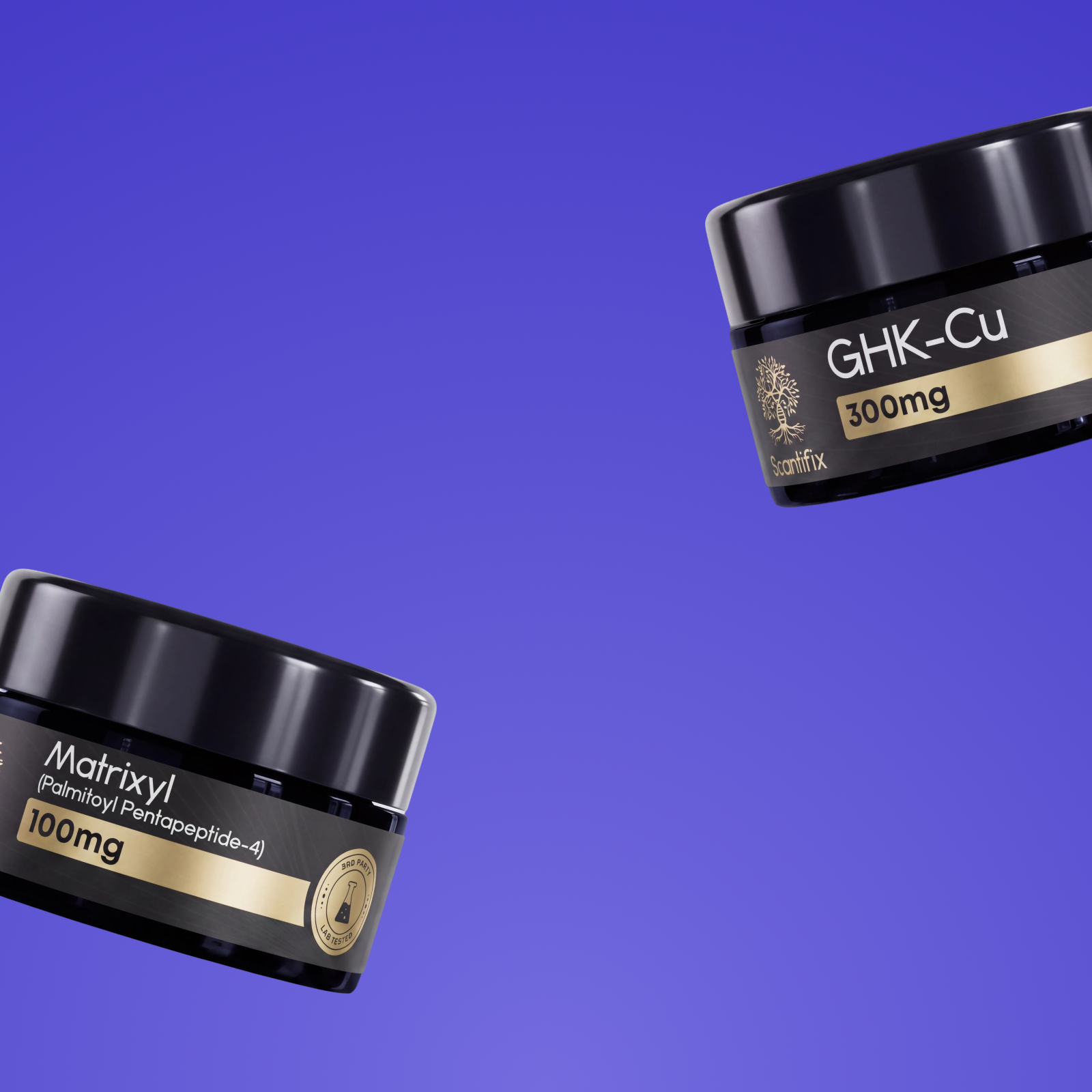
Skin pH does not directly determine whether a peptide works. A well-formulated peptide serum is designed to remain stable within the skin's normal pH range, and ingredients such as GHK-Cu, SNAP 8, and Matrixyl each have their own mechanisms of action.
However, the condition of the skin itself can influence how well any topical skincare routine performs. When the skin barrier is healthy, it is better able to regulate hydration, limit excessive water loss, and recover from everyday environmental stress. This creates a more supportive environment for topical ingredients. Conversely, skin that is persistently dry, irritated, or barrier-impaired may be less resilient overall, making it harder to maintain healthy-looking skin regardless of which active ingredients are applied.
Peptides That Support Healthy-Looking Skin
Maintaining a healthy skin pH helps create an environment where your skin barrier, microbiome, and natural repair processes can function as intended. It also provides a stronger foundation for the products you apply afterward.
This is relevant to peptide skincare as well. Rather than changing your skin's pH, different peptides are designed to support specific biological processes associated with healthy-looking skin.
GHK-Cu is a naturally occurring copper-binding peptide that plays an important role in tissue repair and skin remodeling. Laboratory research suggests it can influence genes involved in collagen production, antioxidant defenses, and wound-healing processes (Pickart & Margolina, 2018). These properties have made GHK-Cu one of the most widely studied peptides for supporting skin firmness, texture, and overall skin quality.
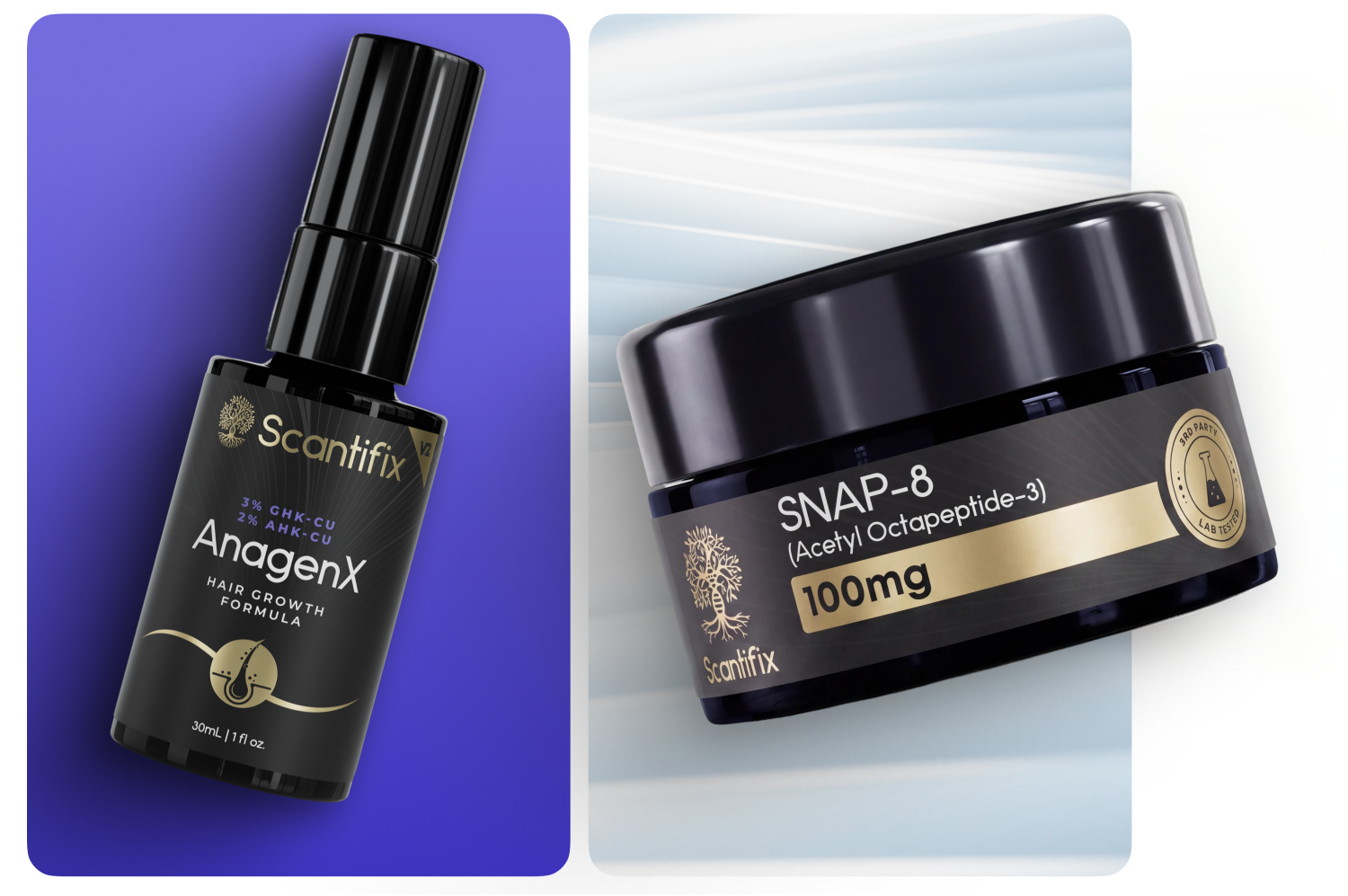
SNAP-8 peptide, also known as Acetyl Octapeptide-3, is designed to support the appearance of dynamic wrinkles by influencing the signaling involved in facial muscle contraction. Because expression lines such as forehead wrinkles, crow's feet, and frown lines develop through repeated facial movement, SNAP-8 peptide is commonly included in formulations targeting these visible signs of aging and is intended to gradually soften the appearance of expression lines as part of a consistent skincare routine.
For a more comprehensive approach, Agelixir combines multiple clinically studied peptides in one professionally formulated serum. Alongside Snap-8 and peptides that support the appearance of expression lines, its formula includes additional ingredients designed to support collagen-related structure, skin renewal, and hydration. Rather than targeting one type of wrinkle alone, Agelixir takes a broader approach by supporting several of the biological processes involved in visible skin aging, all in a ready-to-use daily formula.
Final Thoughts
While ingredients such as peptides often receive the spotlight, they work within a much larger biological system. Your skin barrier, microbiome, hydration, and natural repair processes all depend, at least in part, on maintaining the slightly acidic environment your skin is designed to have.
Understanding skin pH is not about chasing a specific number or constantly testing your skin. It is about recognizing that many aspects of skin health are interconnected.
A healthy skin pH helps create the conditions that allow your skin to protect itself, recover from daily stress, and maintain its natural resilience. Combined with evidence-based ingredients such as GHK-Cu, SNAP-8, and Matrixyl, supporting your skin's natural balance can become part of a thoughtful, science-driven approach to healthier-looking skin.
References
Ali, S. M., & Yosipovitch, G. (2013). Skin pH: From basic science to basic skin care. Acta Dermato-Venereologica, 93(3), 261-267. https://pubmed.ncbi.nlm.nih.gov/23322028/
Elias, P. M. (2018). The skin barrier as an innate immune element. Seminars in Immunopathology. https://doi.org/10.1007/s00281-007-0060-9
Lambers, H., et al. (2006). Natural skin surface pH is on average below 5, which is beneficial for its resident flora. International Journal of Cosmetic Science, 28(5), 359-370. https://doi.org/10.1111/j.1467-2494.2006.00344.x
Pickart, L., & Margolina, A. (2018). Regenerative and protective actions of the GHK-Cu peptide in the light of the new gene data. International Journal of Molecular Sciences, 19(7), 1987. https://www.mdpi.com/1422-0067/19/7/1987
Proksch, E. (2018). pH in nature, humans and skin. Journal of Dermatology, 45(9), 1044-1052. https://onlinelibrary.wiley.com/doi/10.1111/1346-8138.14489



Leave a comment
All comments are moderated before being published.
This site is protected by hCaptcha and the hCaptcha Privacy Policy and Terms of Service apply.