


Professional skin treatments are often seen as the gold standard. At-home devices, by comparison, are sometimes viewed as a compromise.
But is that really true?
As research into skin biology has expanded, scientists have learned that effectiveness isn't determined by intensity alone. Understanding how the skin responds to different types of stimulation reveals a much more interesting story.
Skin Is Constantly Remodeling Itself
One of the remarkable characteristics of skin is that it is never truly finished changing.
Every day, millions of skin cells are replaced while collagen, elastin, and other structural proteins are continuously broken down and rebuilt. This process, known as skin remodeling, allows the skin to repair everyday damage caused by ultraviolet light, pollution, environmental stress, and the natural aging process (Varani et al., 2006).
When we are young, repair generally keeps pace with damage. As we age, however, collagen production slows while collagen degradation gradually increases. Fibroblasts, the cells responsible for producing collagen and elastin, become less active, contributing to wrinkles, loss of firmness, and thinner skin (Fisher et al., 2002).
Many cosmetic treatments, whether performed in a clinic or at home, aim to support these natural repair mechanisms rather than replace them. The difference lies in how strongly those biological pathways are stimulated and how often that stimulation occurs.
Professional Treatments and Their Results
Professional procedures generally work by delivering a stronger biological stimulus than can safely be achieved at home.
Laser resurfacing, radiofrequency microneedling, deeper chemical peels, and professional microneedling create controlled injury or controlled thermal stimulation within the skin. This activates the body's natural wound-healing response, leading to increased collagen remodeling and tissue repair (Alster & Graham, 2018).
Because these procedures reach deeper layers of the skin, they often produce visible improvements more quickly than home treatments. However, higher intensity also comes with trade-offs.
Professional procedures frequently involve recovery time, temporary redness, swelling, peeling, or increased sensitivity. Many treatments are therefore spaced weeks or months apart to allow the skin adequate time to heal before another session.
In other words, professional treatments deliver larger biological signals, but much less frequently.
Why At-Home Devices Work Differently
One of the biggest misconceptions in skincare is that stronger treatments always produce better results.
In reality, the skin responds to both the strength of a biological signal and how often that signal is delivered. Fibroblasts, the cells responsible for producing collagen and maintaining the extracellular matrix, continuously respond to changes within their environment, including mechanical stimulation, growth factors, peptides, and other biological signals (Varani et al., 2006).
This helps explain why at-home treatments are designed differently from professional procedures.
Rather than delivering the highest possible intensity in a single session, at-home technologies provide gentler stimulation that can be repeated safely as part of a regular skincare routine. Instead of relying on one powerful trigger, they encourage the skin's natural remodeling processes through consistent, cumulative support.
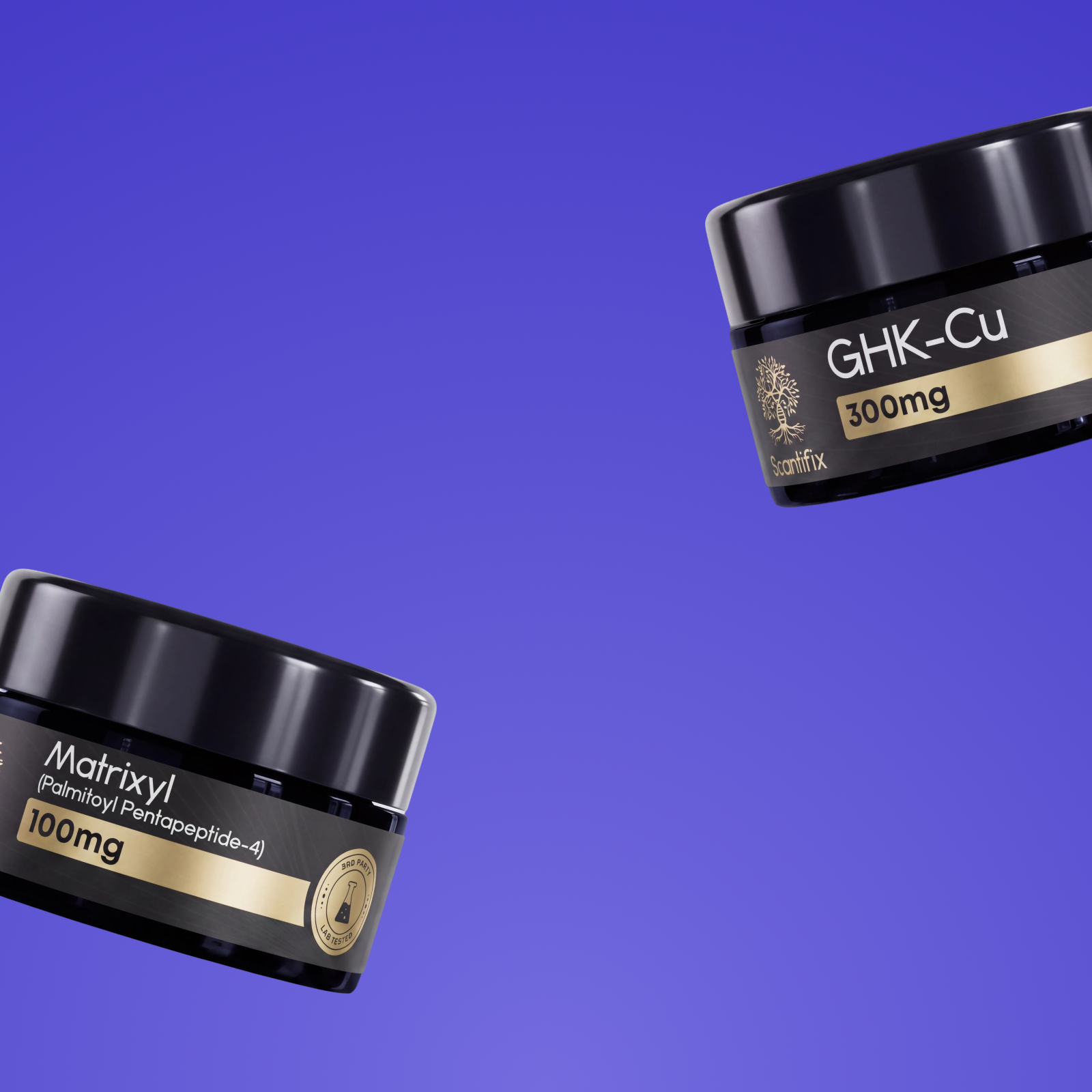
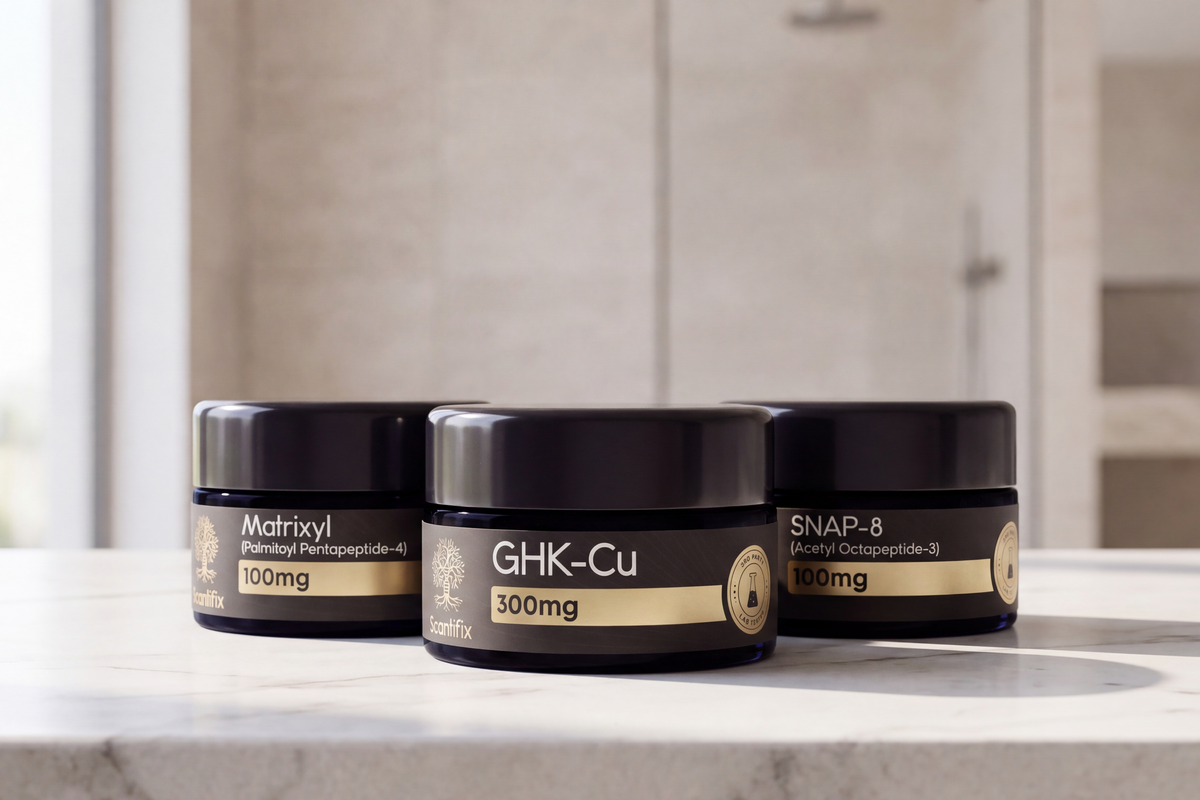
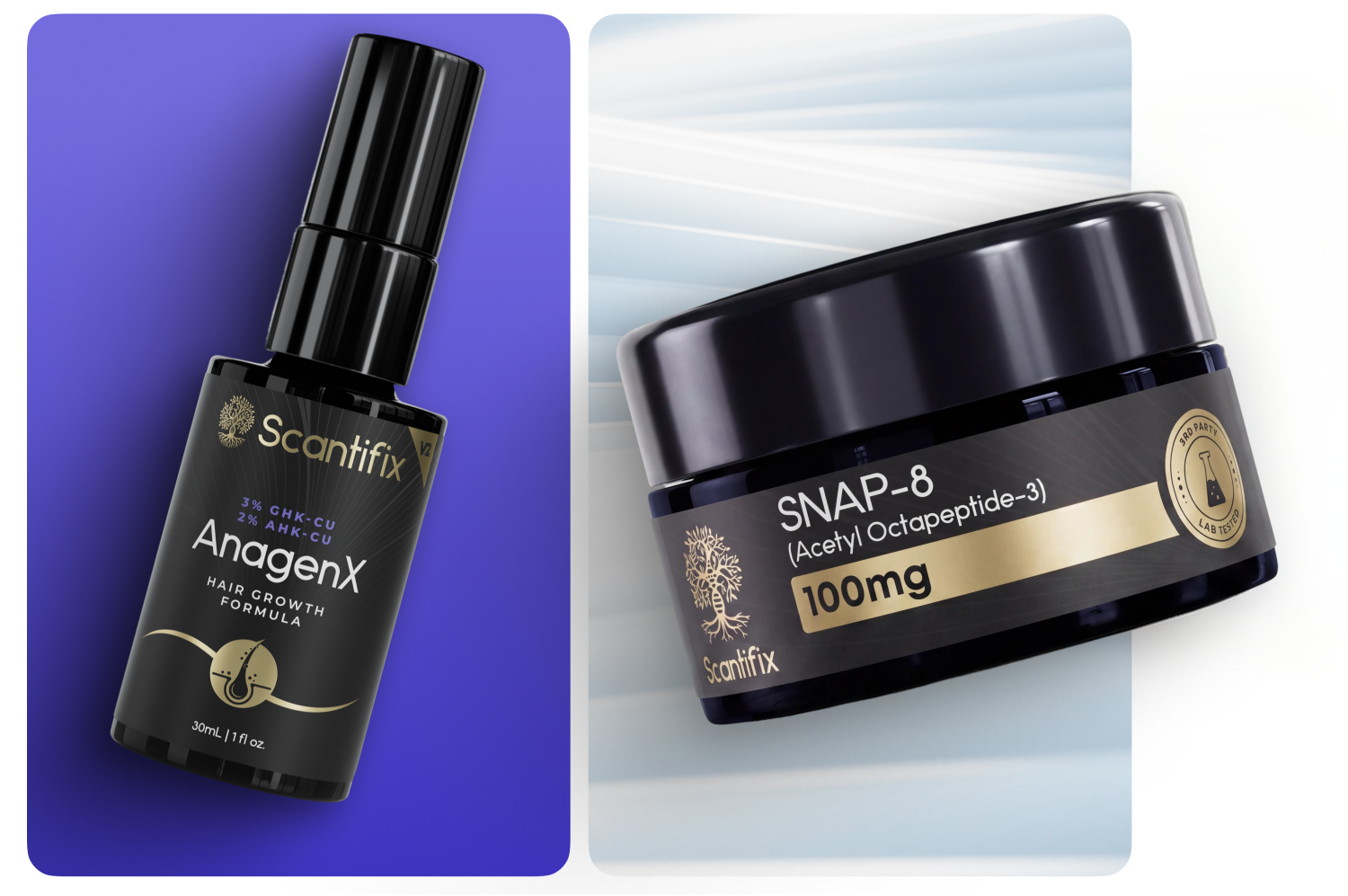
This principle can be seen across several types of at-home skincare. Cosmetic microneedling creates superficial microchannels that stimulate normal repair processes while improving the penetration of topical skincare (Aust et al., 2008). Low-level red light therapy has been investigated for its ability to support cellular energy production through photobiomodulation and improve visible signs of photoaging following repeated use (Avci et al., 2013). Peptides such as GHK-Cu has been extensively studied for its role in tissue remodeling, wound healing, extracellular matrix organization, and collagen production (Pickart & Margolina, 2018). Matrixyl peptides have been investigated for their ability to support collagen synthesis and improve the appearance of photoaged skin (Robinson et al., 2005). Syn-Coll was designed to mimic naturally occurring collagen-associated sequences involved in extracellular matrix support.
Although these technologies work through different mechanisms, they share an important characteristic: their effects develop gradually rather than immediately. Consistent use allows the skin to receive repeated biological signals as it naturally renews and remodels itself over time.
Lower intensity should not be mistaken for lower effectiveness. Professional procedures and at-home treatments simply deliver biological stimulation in different ways. One relies on larger signals delivered less frequently, while the other depends on smaller signals delivered consistently over weeks and months.
Choosing the Right Approach
Rather than viewing professional treatments and at-home devices as competing options, it is more helpful to think of them as serving different purposes.
Professional procedures may be appropriate for individuals seeking a stronger biological stimulus, often producing more noticeable changes in fewer sessions, although they also involve greater downtime and higher costs.
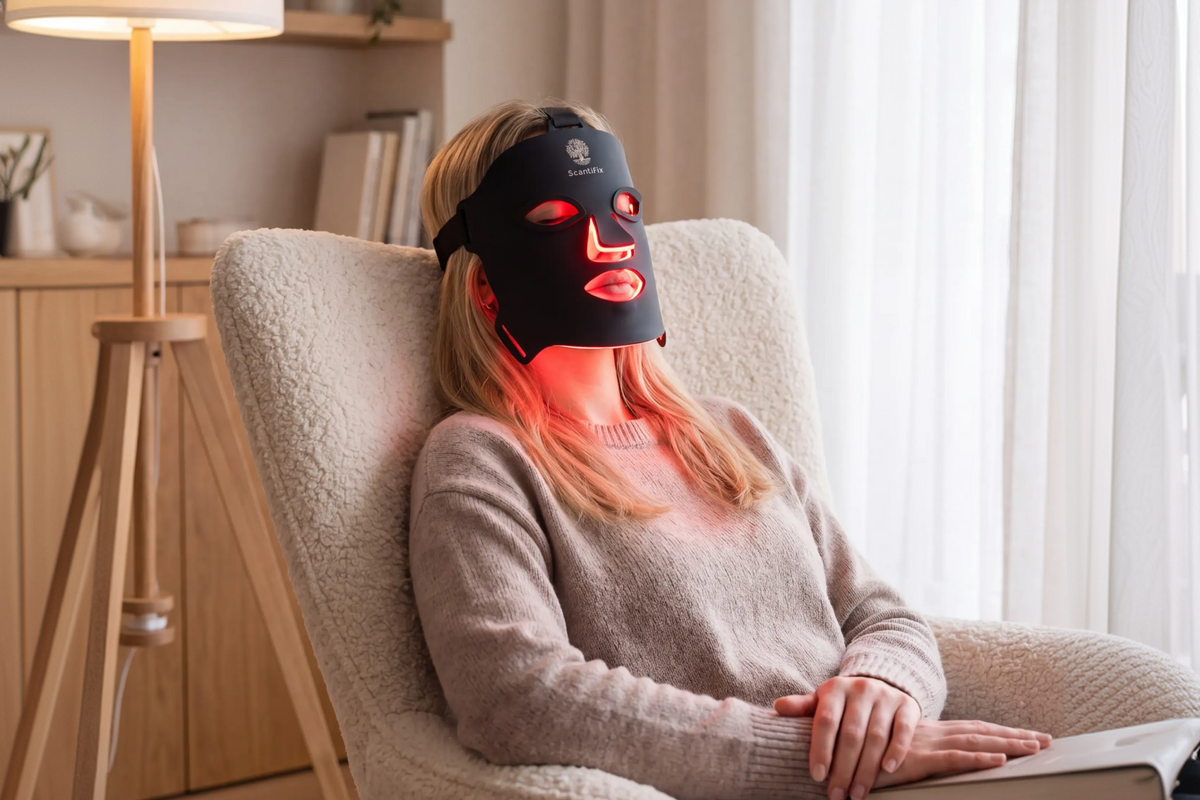
At-home treatments are generally designed to support skin health through regular, consistent use. Technologies such as the Reviva Lux Red Light Therapy Face Mask deliver repeated photobiomodulation sessions that can easily become part of a weekly routine, while cosmetic microneedling devices like DermTifix provide controlled mechanical stimulation that supports the skin’s natural renewal processes and enhances the absorption of topical skincare.
Ultimately, the best approach depends on individual goals, skin condition, lifestyle, and personal preference. Neither strategy is inherently superior. Each simply works within different biological and practical constraints.
Final Thoughts
Professional treatments and at-home devices are not trying to accomplish the same thing in the same way.
Professional procedures rely on higher-intensity stimulation performed less frequently under clinical supervision. At-home technologies use gentler, repeatable stimulation that can become part of a consistent skincare routine.
The science suggests that skin and scalp benefit from both intensity and consistency. While professional treatments may deliver faster visible changes with longer recovery periods, at-home devices offer the advantage of consistent, ongoing support for natural repair processes in the skin.
Ultimately, the goal isn't simply to stimulate the skin. It's to support its biology consistently enough for meaningful changes to develop over time.
REFERENCES
Alster, T. S., & Graham, P. M. (2018). Microneedling: A Review and Practical Guide. Dermatologic Surgery, 44(3), 397-404. https://doi.org/10.1097/DSS.0000000000001248
Aust, M. C., et al. (2008). Percutaneous collagen induction therapy: An alternative treatment for scars, wrinkles, and skin laxity. Plastic and Reconstructive Surgery, 121(4), 1421-1429. https://doi.org/10.1097/01.prs.0000304612.72899.02
Avci, P., et al. (2013). Low-level laser (light) therapy (LLLT) in skin: Stimulating, healing, restoring. Seminars in Cutaneous Medicine and Surgery, 32(1), 41-52. https://pubmed.ncbi.nlm.nih.gov/24049929/
Fisher, G. J., et al. (2002). Mechanisms of photoaging and chronological skin aging. Archives of Dermatology, 138(11), 1462-1470. https://doi.org/10.1001/archderm.138.11.1462
Pickart, L., & Margolina, A. (2018). Regenerative and Protective Actions of the GHK-Cu Peptide in the Light of the New Gene Data. International Journal of Molecular Sciences, 19(7), 1987. https://doi.org/10.3390/ijms19071987
Robinson, L. R., et al. (2005). Topical palmitoyl pentapeptide provides improvement in photoaged human facial skin. International Journal of Cosmetic Science, 27(3), 155–160. https://pubmed.ncbi.nlm.nih.gov/18492182/
Varani, J., et al. (2006). Decreased collagen production in chronologically aged skin: Roles of age-dependent alteration in fibroblast function and defective mechanical stimulation. American Journal of Pathology, 168(6), 1861-1868. https://doi.org/10.2353/ajpath.2006.051302


Leave a comment
All comments are moderated before being published.
This site is protected by hCaptcha and the hCaptcha Privacy Policy and Terms of Service apply.