



There's no shortage of advice on how to age gracefully. Recommended routines, treatments, products, and rules. Some of it is useful. A lot of it isn't. And some of it is flat-out wrong. You might spend years investing your time and money on the wrong things while the factors that actually drive aging go unaddressed.
This guide is here to clear some of that up. We've pulled together some of the most common misconceptions and misunderstood facts around aging skin, looked at what the research actually says, and tried to give you a clearer picture of what's worth your attention and what isn't.
Skin aging is all about wrinkles.
MYTH.
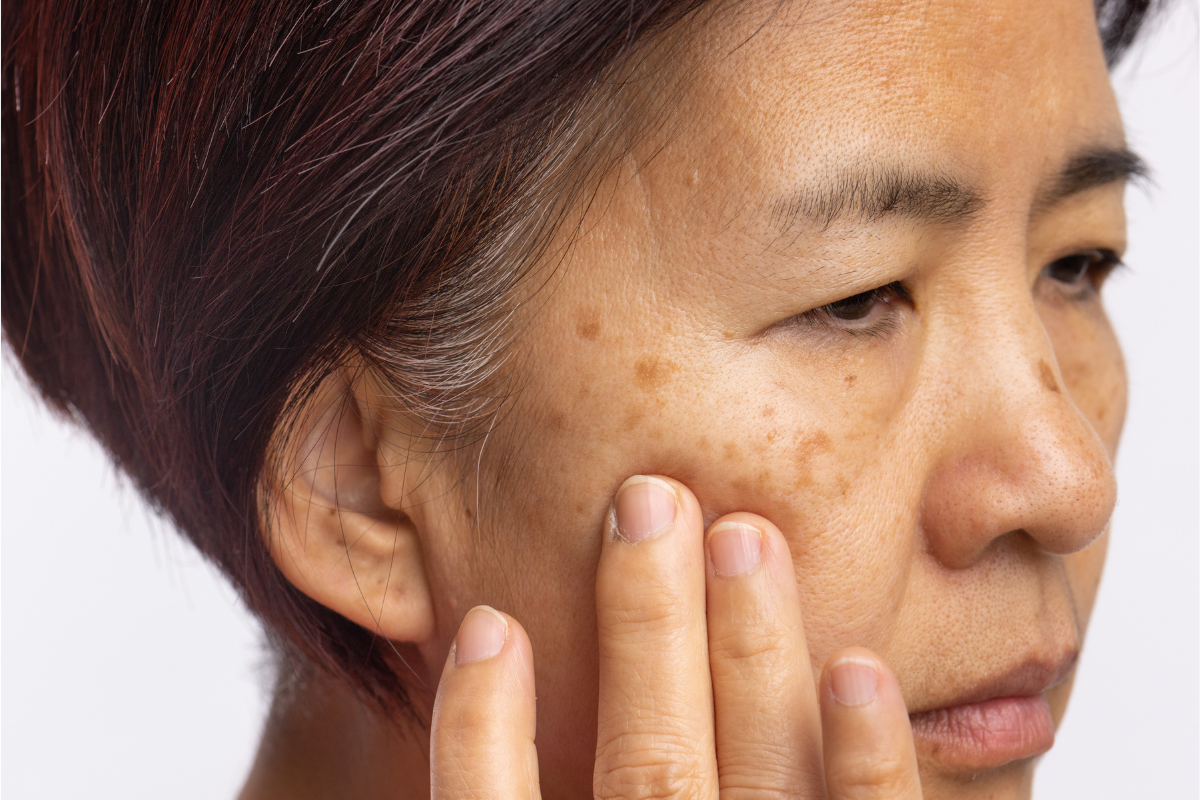
Wrinkles get most of the attention, but they're only one part of aging skin. Skin also loses firmness as collagen and elastin decline. Texture becomes rougher and less even. Radiance fades as pigment changes and structural decline dull the complexion. Facial volume shifts. A skincare approach focused solely on wrinkles will miss most of what's actually happening beneath the surface.
Most visible skin aging is caused by aging itself.
MYTH.
Research suggests that the majority of visible facial aging is driven by external factors, not biological aging alone. UV radiation is the most important external driver of skin aging, responsible for the majority of visible changes such as wrinkles and pigmentation. Some studies suggest it may account for up to ~80% of facial aging (Krutmann, 2017; De Moura et al., 2023). Pollution, diet, chronic stress, and lifestyle habits all play a role too. Much of what we attribute to "just getting older" is actually a response to environment and daily choices. You have more control over your aging skin than you might assume.
Prevention is for older skin.
MYTH.
Collagen levels in the skin gradually decline starting in early adulthood with studies suggesting an estimated 1% loss every year (Shuster, et al., 1975). By the time wrinkles or laxity become visible, the structural changes beneath the surface have already started accumulating. Starting earlier means you're working with a stronger baseline, and the habits and interventions you build, whether that's sun protection, collagen-supporting peptides, or lifestyle choices, have more to build on. You don't need to wait for visible aging to appear to justify taking care of your skin.
Sugar accelerates skin aging.
FACT.
Many people haven't heard of glycation. It’s what happens when sugars react with collagen fibers, forming compounds called advanced glycation end products, or AGEs. These make collagen rigid, disorganized, and harder for the skin to renew, causing a loss of firmness, reduced elasticity, and a dull or sallow complexion. It happens gradually and passively, influenced by factors like blood sugar levels, diet, UV exposure, and oxidative stress (Gkogkolou & Böhm, 2012). Reducing refined sugar intake, limiting dietary AGEs (such as those from heavily grilled or fried foods), and supporting antioxidant defenses may help slow this process.
Poor sleep accelerates skin aging.
FACT.
Sleep is when a significant amount of the skin's repair work happens. Growth hormone is released, cellular renewal ramps up, and cortisol levels drop. Chronic poor sleep disrupts all of this. Research suggests it can impair skin barrier function and is associated with increased signs of skin aging and slower recovery from environmental stressors (Oyetakin-White et al., 2015). Even a few consecutive nights of poor sleep can cause noticeable changes in your skin’s appearance. Consistently prioritizing sleep is one of the more underlooked factors when it comes to maintaining skin health.
Stress is a meaningful skin aging accelerant.
FACT.
When you're under chronic stress, your body produces elevated levels of cortisol. This can increase inflammation in the skin and contribute to signs of aging over time. Research suggests chronic stress can impair the skin’s ability to repair itself and is associated with increased signs of skin aging (Kiecolt-Glaser et al., 1995). Chronic stress is particularly impactful because it allows damage to accumulate faster than it can be repaired. In addition to managing stress levels, targeted adjustments to your skincare routine can help support the skin's repair processes during high-stress periods.
Moisturizer is an anti-aging treatment.
MYTH.
Moisturizer does useful things. It supports barrier function, reduces water loss through the skin's surface, and keeps the skin feeling comfortable and looking smoother day to day. What it generally doesn't do is signal fibroblasts to produce more collagen or rebuild elastin. Hydration and structural anti-aging are genuinely different processes. Confusing the two leads people to lean on moisturizer as the foundation of an anti-aging skincare routine when it's really a supporting layer. A well-formulated hyaluronic acid serum paired with raw peptides, for example, covers both hydration and structural signaling in a way that moisturizer alone can't.
Collagen creams rebuild collagen.
MYTH.
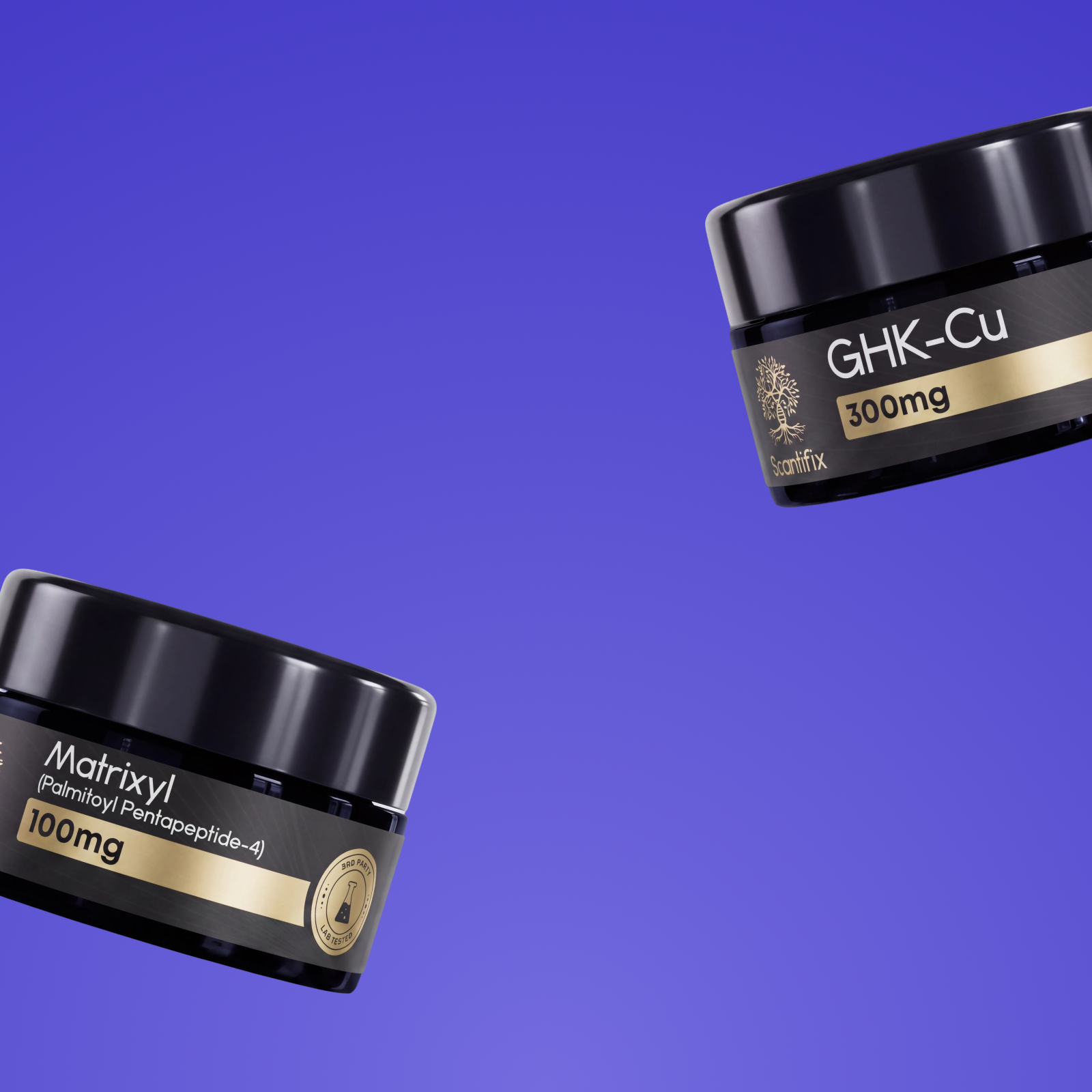
Collagen molecules are too large to effectively penetrate the skin's surface. Applying collagen topically can support hydration at the surface level, but it doesn't reach the dermis where structural collagen is actually produced. A more effective approach works through the skin's own biology. Signal peptides like Matrixyl, Syn-Coll, and GHK-Cu don't attempt to deliver collagen directly. Instead, they’re designed to signal fibroblasts, the cells responsible for collagen production, to support the skin’s natural renewal processes. The research behind signal peptides is growing, with the evidence suggesting they help support collagen production in a biologically-aligned way.
Expression lines can only be addressed with injectables.
MYTH.
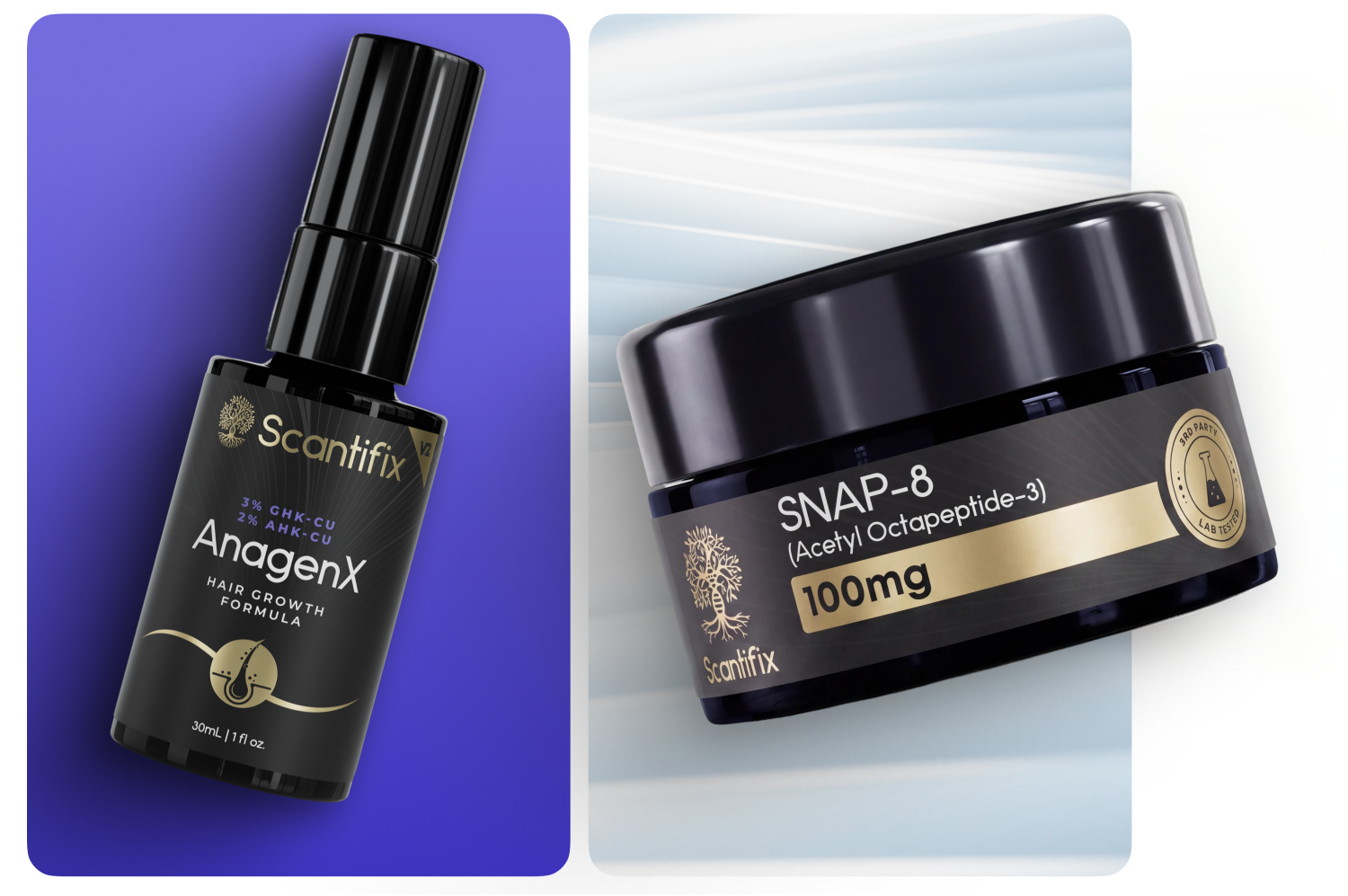
Facial muscles contract thousands of times a day, gradually creasing the skin above them and deepening expression lines over time. Injectables like Botox address this by temporarily limiting muscle movement, though they require regular appointments and can restrict natural expression. Topical neuromodulatory peptides offer a different, non-invasive option. Argireline, SNAP-8, and Leuphasyl are designed to target different points in the muscle signaling process, helping to soften the appearance of expression lines over time. The results are more gradual, but they offer a more natural-looking, needle-free approach supported by a growing body of research.
You need more products as you age.
MYTH.
More products don’t mean better results. A routine overloaded with actives risks ingredient conflicts, barrier disruption, and irritation that can set skin back rather than move it forward. What works better is understanding which mechanisms actually matter for your skin and choosing well-formulated ingredients that address those specifically. Consistency with a focused routine outperforms a complicated one. As skin changes with age, the answer is usually to refine what you're using, not to add more on top of it.
It's never too late to improve your skin.
FACT.
The skin’s capacity for repair and renewal may slow down with age, but it doesn't disappear. Targeted, biologically aligned approaches like peptides, red light therapy, and microneedling show meaningful results across a wide range of ages, not just in younger skin. The baseline changes, but the ability to respond doesn't.
Moving Forward
If some of these myths sound familiar, that's understandable. A lot of skin aging advice is built around incomplete or inaccurate information, and it's easy to get caught up on approaches that aren't addressing the right things.
We started Scantifix because we understand that frustration. The skincare industry is full of products that sound convincing but are built around diluted ingredients, marketing trends, and claims that don't hold up. We wanted to do something different: build products around ingredients that make sense scientifically, verify their purity through independent testing, and deliver them in ways that actually support the biology.
That means high-purity topical peptides with Certificates of Analysis, free from unnecessary fillers and additives. Devices like our light therapy mask and microneedling pens designed to support the same biological processes at home, consistently and safely. Whether you're starting fresh or refining an existing anti-aging skincare routine, our goal is to give you ingredients and tools you can trust, and enough information to use them well.

References
De Moura, J., Carolliny Moreira Lustoza Rodrigues, T., Ferreira de Sousa, N., Matilde Ferreira Dos Santos, A., Tullius Scotti, M., & Scotti, L. (2023). Targets Involved in Skin Aging and Photoaging and their Possible Inhibitors: A Mini-review. Current Drug Targets. https://doi.org/10.2174/1389450124666230719105849
Gkogkolou, P., & Böhm, M. (2012). Advanced glycation end products: Key players in skin aging? Dermato-Endocrinology, 4(3), 259–270. https://doi.org/10.4161/derm.22028
Kiecolt-Glaser, J. K., Marucha, P. T., Malarkey, W. B., Mercado, A. M., & Glaser, R. (1995). Slowing of wound healing by psychological stress. The Lancet, 346(8984), 1194–1196. https://doi.org/10.1016/S0140-6736(95)92899-5
Krutmann, J. (2017). Pathomechanisms of Photoaged Skin (pp. 121–129). Springer, Berlin, Heidelberg. https://doi.org/10.1007/978-3-662-47398-6_10
Oyetakin-White, P., Suggs, A., Koo, B., Matsui, M. S., Yarosh, D., Cooper, K. D., & Baron, E. D. (2015). Does poor sleep quality affect skin ageing?. Clinical and experimental dermatology, 40(1), 17–22. https://doi.org/10.1111/ced.12455
Shuster, S., Black, M. M., & McVitie, E. (1975). The influence of age and sex on skin thickness, skin collagen and density. The British journal of dermatology, 93(6), 639–643. https://doi.org/10.1111/j.1365-2133.1975.tb05113.x

Leave a comment
All comments are moderated before being published.
This site is protected by hCaptcha and the hCaptcha Privacy Policy and Terms of Service apply.