


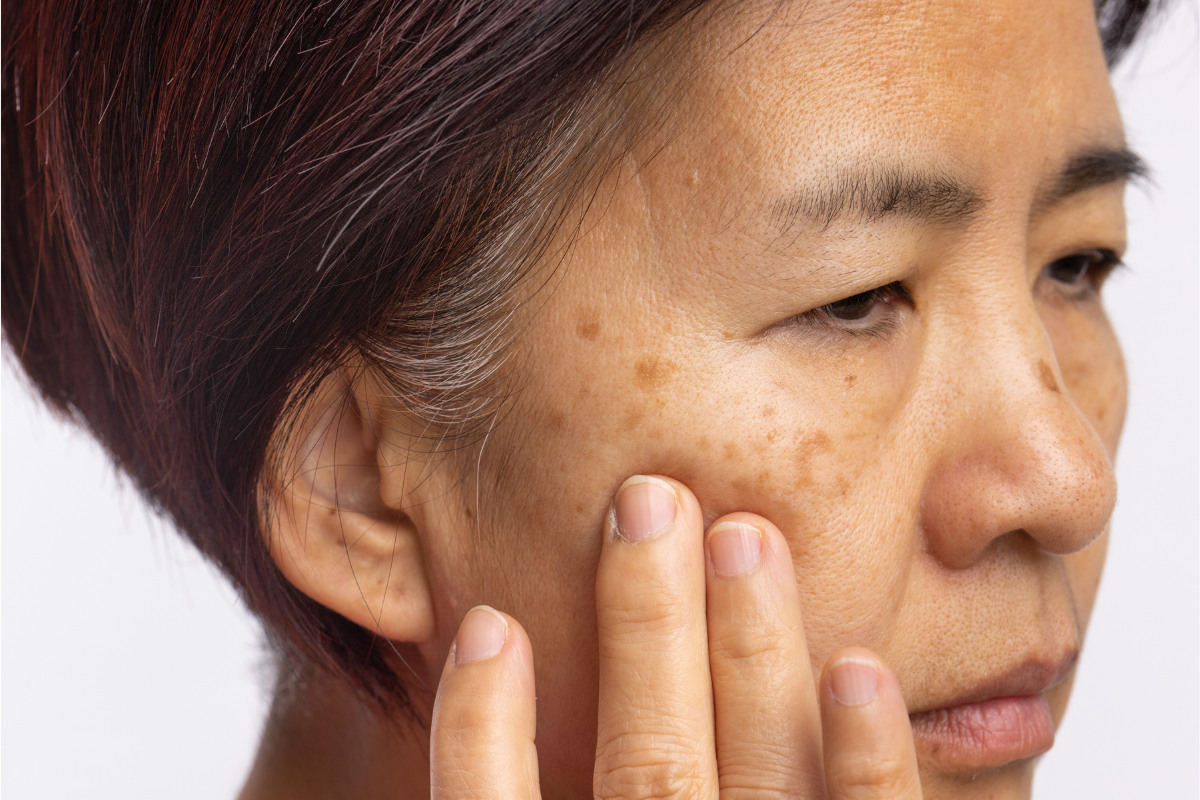
Have you experienced hyperpigmentation? It shows up as dark spots or patches where the skin has produced more pigment than usual. There are different types, caused by different triggers, and it can affect any skin tone. Those who notice it usually want to know, “does hyperpigmentation go away?”
It is possible, but it’s a little more complex than you might think. If you want to know how to get rid of hyperpigmentation, it’s helpful to understand the biology behind it. Things like how pigment forms, what keeps it there, and what the skin needs to gradually restore a more even tone. That’s what we’ll cover in this article.
What Is Hyperpigmentation?
Melanin is the pigment responsible for skin color. It's produced by cells called melanocytes, which are distributed throughout the base layer of the epidermis. Under normal conditions, melanin production is relatively stable and evenly distributed. Hyperpigmentation occurs when certain melanocytes become overactive, producing more melanin in localized areas than the surrounding skin. The result is an uneven skin tone, with certain areas visibly darker than the rest.
It can appear anywhere on the body, though dark spots on the face and other sun-exposed areas like the neck, décolletage, and hands are among the most common. The color can range from light brown to deep brown or grayish depending on how deep the pigment sits in the skin and the individual's baseline skin tone.
As with any skin change, new or evolving spots are worth having a dermatologist look at to rule out anything that needs medical attention.
What Causes Hyperpigmentation?
Melanocytes don't overproduce pigment randomly. There are specific triggers that activate them, and most cases of hyperpigmentation fall into one of three categories.
UV exposure
When skin is exposed to ultraviolet radiation, melanocytes increase melanin production as a protective response. With repeated or prolonged exposure, this can result in persistent dark spots or patches, commonly referred to as sun spots or age spots, in areas that receive the most light.
Inflammation
When the skin experiences injury or irritation from acne, eczema, a wound, or even certain skincare ingredients, the inflammatory response can stimulate melanocytes in the affected area. This is known as post-inflammatory hyperpigmentation (PIH), and it's why a healed breakout sometimes leaves a dark mark behind.
Hormonal changes
This type of hyperpigmentation most commonly shows up as melasma. It tends to appear as larger, more diffuse patches, often on the cheeks, forehead, and upper lip, and is closely tied to fluctuations in estrogen and progesterone. Because of its hormonal component, melasma is often managed with medical guidance alongside topical support.
Why Hyperpigmentation Doesn't Fade Quickly
Once the initial cause has resolved, it can take some time for the pigmentation to follow. There are several biological reasons why.
Skin renews itself through a continuous process of cell turnover, where new cells form at the base of the epidermis and gradually migrate to the surface before shedding. This cycle typically takes around four to six weeks in younger skin, and slows considerably with age. Pigmented cells need to complete this journey before they're shed, which means the timeline for visible fading is tied directly to how quickly the skin renews itself.
There's also the question of where the pigment sits. Melanin deposited in the upper layers of the epidermis tends to fade more readily as those cells turn over. When pigment penetrates deeper into the dermis, which can happen with more severe or prolonged inflammation, it becomes much harder to shift. In the dermis, melanin granules are taken up by immune cells called melanophages, where they can persist for considerably longer.
Finally, low-grade inflammation can continue beneath the surface even after the visible trigger has cleared. As long as inflammatory signals are present, they can keep melanocytes active, sustaining pigment production in the affected area and counteracting any fading that would otherwise occur.
What Needs to Happen for Hyperpigmentation to Fade
Fading can only happen when a specific set of biological conditions come together.
Cell turnover needs to progress steadily, replacing pigmented cells with new ones that carry normal melanin levels. That means the signals driving overproduction have to quiet down, and any inflammatory activity in the affected area needs to fully resolve. All of this takes time. Multiple skin renewal cycles, not days or weeks.
The challenge is that several factors can slow or disrupt the process: continued UV exposure, ongoing inflammation, a compromised barrier, or simply the natural slowing of cell turnover with age. Supporting these conditions for recovery is what gives fading a better chance of progressing consistently.
Supporting Skin Recovery and More Even Tone
The most effective approaches to dark spot treatment are those that work alongside the biology already described: supporting cell renewal, calming inflammatory signaling, and reinforcing the skin's structural and barrier function. A few approaches and ingredients stand out for their relevance here.
Microneedling
Microneedling creates controlled micro-injuries in the skin that trigger a repair response, promoting epidermal renewal and stimulating collagen production in the treated area. At shallower depths, it supports surface renewal and enhances the absorption of topical actives. At deeper settings, it can help address structural changes associated with longer-standing pigmentation. Research suggests microneedling can support improvements in hyperpigmentation concerns, including melasma and post-inflammatory hyperpigmentation, where it’s often used alongside topical treatments to enhance delivery and promote a more even-looking skin tone over time (Iriarte et al., 2017; Al-Qarqaz & Al-Yousef, 2018).
You can skip the clinic and opt for premium devices that are designed for professional microneedling results at home. Look for adjustable needle depth control for customizable precision and a hygienic cartridge system to ensure safety.
GHK-Cu
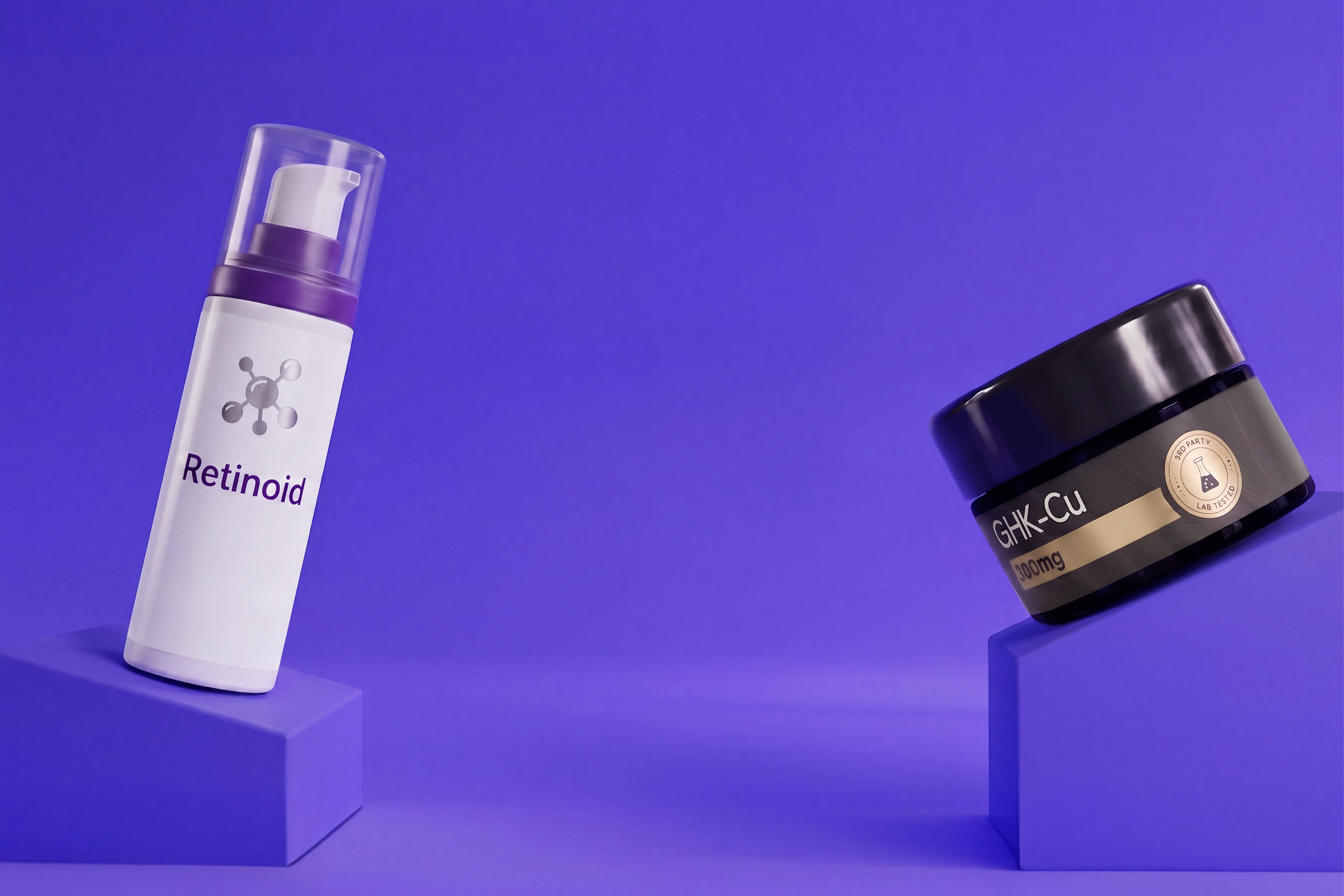
This copper-binding peptide has well-documented effects on skin repair and renewal. It supports fibroblast activity, helps regulate inflammatory responses, and research suggests it can reduce mottled pigmentation and improve skin spots with consistent use (Pickart & Margolina, 2018). Its anti-inflammatory properties are especially relevant here, as calming the signals that stimulate melanocytes is central to allowing pigmentation to resolve.
When it comes to peptide products, quality and sourcing make a significant difference. Look for high purity, third-party tested topical peptides that come with Certificates of Analysis. Raw peptides give you full control over concentration and formulation, letting you create a clean DIY serum that meets your needs exactly.
Red light therapy
Red light therapy at wavelengths of 630–850nm penetrates into the dermis and supports cellular energy production, helping fuel the skin’s natural repair processes. It helps regulate inflammatory signaling and supports a more balanced response to skin stress and damage, which creates a more favorable environment for pigmentation to gradually fade (Avci et al., 2013).
Advances in technology have made it easy to integrate red light therapy into your routine. Premium red light therapy masks can deliver clinically-proven red light technology in the comfort of your own home.
Barrier support
This is an often-overlooked factor. A compromised barrier keeps skin in a reactive state, which sustains the inflammatory signaling that drives melanocyte activity. Maintaining barrier integrity through consistent hydration and avoiding over-stripping the skin helps reduce background reactivity and gives repair processes room to work.
Supporting your skin barrier involves simplifying your skincare routine and choosing products that hydrate and support the skin's ability to repair itself. Read more about skin barrier repair here.
UV protection
Protection from the sun is non-negotiable throughout this process. New UV exposure reactivates the same melanocyte pathways that caused hyperpigmentation in the first place, and can undo progress quickly. Broad-spectrum mineral sunscreen used consistently is one of the most important factors in allowing pigmentation to fade and preventing new spots from forming.
Hyperpigmentation is just one effect of UV exposure. Photoaging, or premature aging of the skin caused primarily by UV radiation, can also lead to wrinkles, sagging, and coarse texture. Learn more about photoaging and how to prevent it in our blog.
Final Thoughts
Hyperpigmentation takes time to fade, and that's not a flaw in the process. It reflects how the skin actually works. Understanding the biology behind it puts you in a much better position to support recovery in a way that's consistent and realistic. The skin has a real capacity to restore a more even tone when given the right conditions.
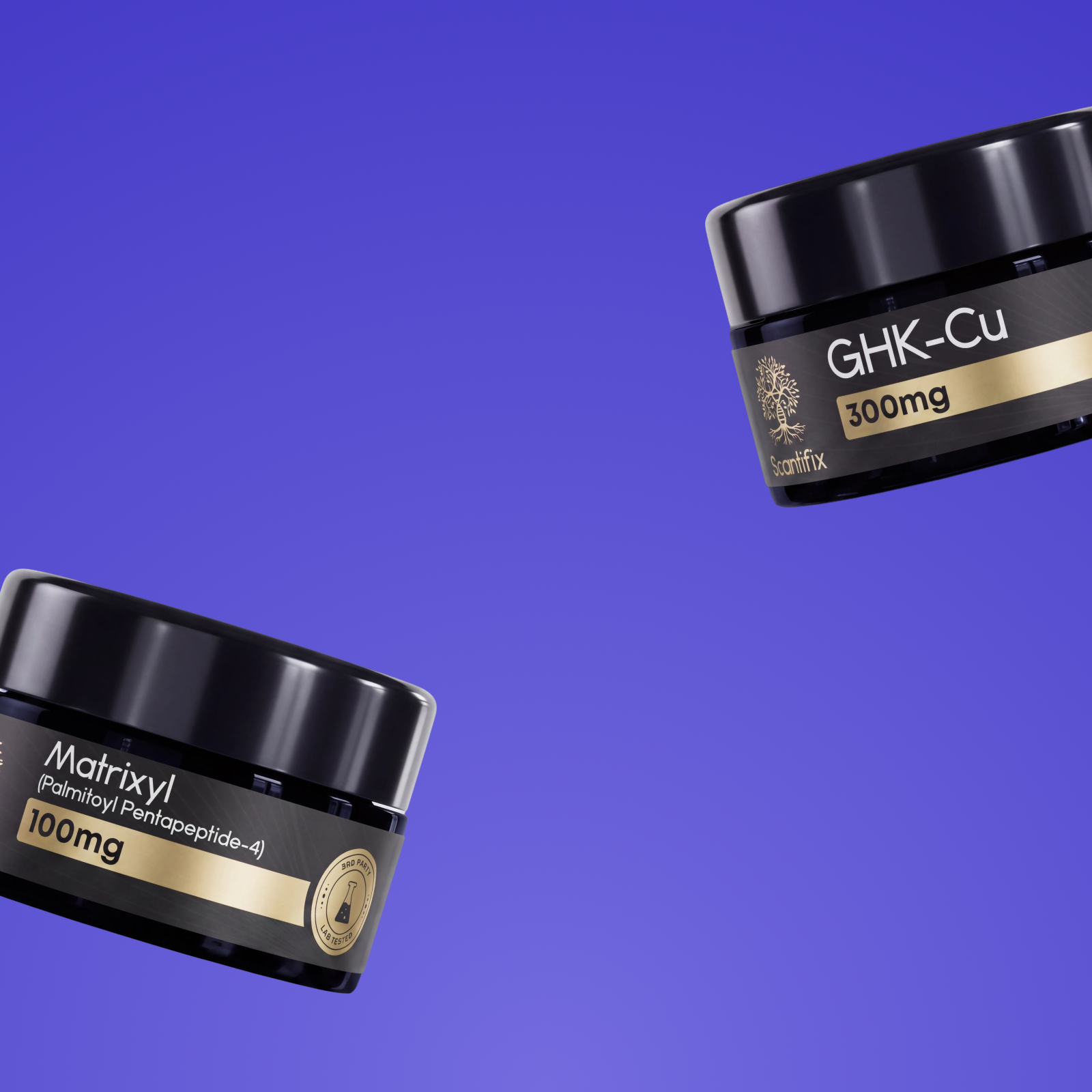
At Scantifix, we offer high-purity, third-party tested peptides like GHK-Cu alongside at-home devices designed to support exactly the kind of skin repair described here. Browse our full range in the Scantishop.

References
Al Qarqaz, F., & Al-Yousef, A. (2018). Skin microneedling for acne scars associated with pigmentation in patients with dark skin. Journal of Cosmetic Dermatology, 17(3), 390–395. https://doi.org/10.1111/jocd.12520
Avci, P., Gupta, A., Sadasivam, M., Vecchio, D., Pam, Z., Pam, N., & Hamblin, M. R. (2013). Low-level laser (light) therapy (LLLT) in skin: Stimulating, healing, restoring. Seminars in Cutaneous Medicine and Surgery, 32(1), 41–52. https://pmc.ncbi.nlm.nih.gov/articles/PMC4126803/
Iriarte, C., Awosika, O., Rengifo-Pardo, M., & Ehrlich, A. (2017). Review of applications of microneedling in dermatology. Clinical, Cosmetic and Investigational Dermatology, 10, 289–298. https://doi.org/10.2147/CCID.S142450
Pickart, L., & Margolina, A. (2018). Regenerative and protective actions of the GHK-Cu peptide in the light of the new gene data. International Journal of Molecular Sciences, 19(7), 1987. https://doi.org/10.3390/ijms19071987


Leave a comment
All comments are moderated before being published.
This site is protected by hCaptcha and the hCaptcha Privacy Policy and Terms of Service apply.