



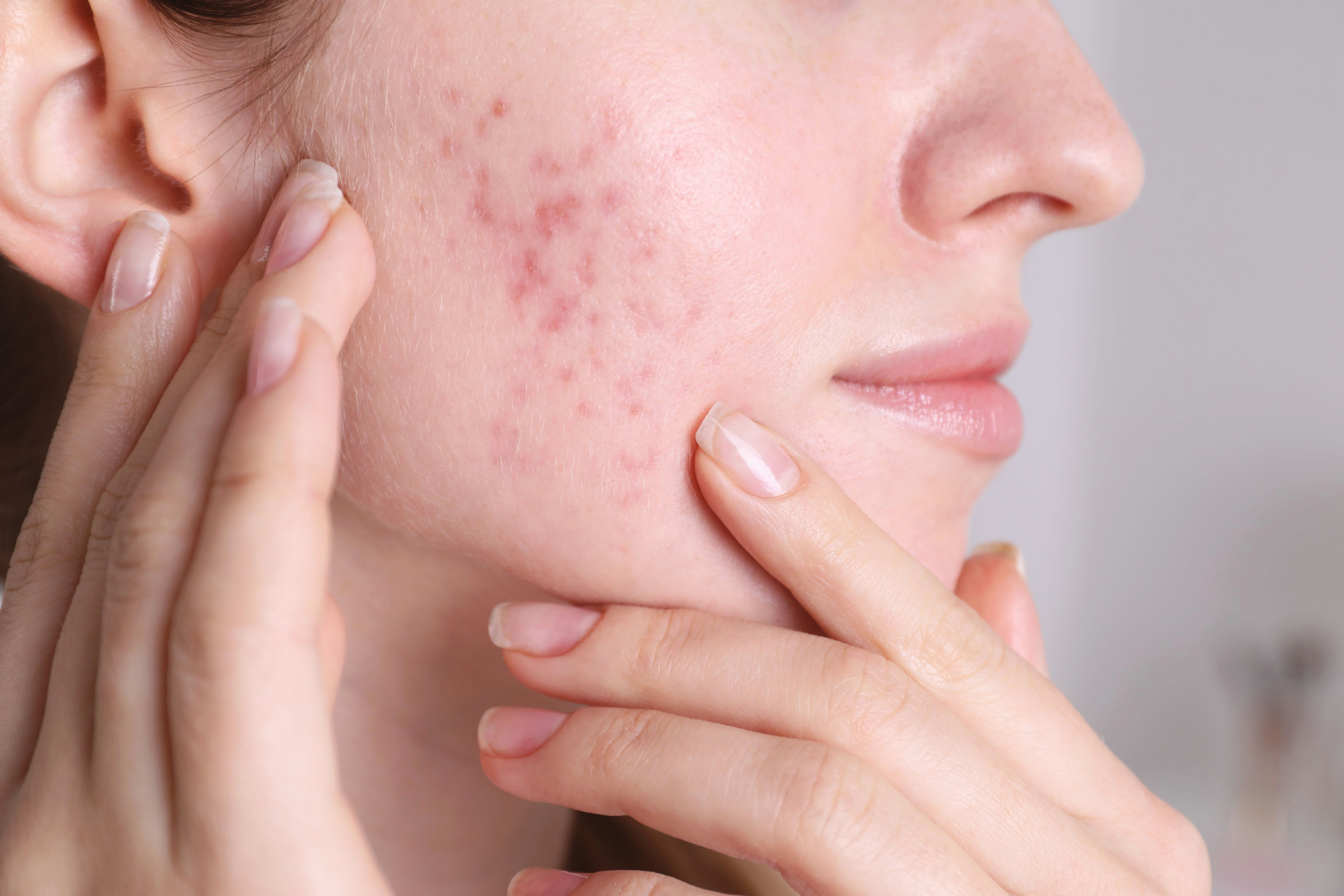
When life gets hectic, your skin often shows it. Dryness, surprise breakouts, extra redness, and lines that suddenly look deeper are common during particularly stressful times. Psychological stress changes the way your skin regulates hydration, inflammation, and collagen. Scientific research has mapped the stress-skin connection clearly enough that we can now support skin with precision instead of guesswork. Peptides offer that precision, guiding skin back toward balance by encouraging repair, calming reactivity, and reinforcing structure.
This guide breaks down how stress actually affects your skin at the cellular level, what cortisol does to your barrier and collagen production, and which specific peptides can help counter those effects. We'll also cover a practical routine that prioritizes repair without overcomplicating your regimen.
The Stress-Skin Axis
Your body responds to stress through a network called the HPA axis (hypothalamic-pituitary-adrenal). When you experience psychological stress, this system triggers the release of cortisol, your primary stress hormone. What many people don't realize is that skin has its own local version of this system.
Skin cells can produce cortisol independently and even reactivate it from its inactive form through an enzyme called 11β-HSD1 (Choe et al., 2018). This means your skin can amplify stress signals on site, regardless of what's happening systemically. During periods of sustained stress, elevated cortisol in the skin disrupts normal function: moisture retention drops, inflammatory signals increase, and repair processes slow down (Pujos et al., 2025).
The result is skin that feels reactive, looks dull, and recovers more slowly from everyday damage. Understanding this connection gives us a clear target for intervention.
What Cortisol Does to Skin
It weakens the barrier.
Your skin barrier is a complex structure of cells held together by lipids like ceramides, cholesterol, and fatty acids. Elevated cortisol disrupts the production and organization of these lipids. The barrier becomes more permeable, allowing water to escape more easily and irritants to penetrate more readily. Studies show that acute psychological stress can significantly slow barrier recovery after disruption, which explains why skin often feels temperamental during demanding periods (Altemus et al., 2001).
It lowers your irritation threshold.
Skin maintains its own immune signaling system. Under stress, cortisol shifts this system toward heightened reactivity. Inflammatory cytokines increase, and the threshold for irritation drops (Arck et al., 2006). Many people notice more stinging, flushing, or acne flares during deadlines or major life changes. Managing this physiological response requires keeping your routine gentle and choosing actives that support rather than further stress the system.
It reduces collagen over time.
Collagen and elastin provide structural integrity to skin. Cortisol interferes with collagen synthesis while upregulating enzymes that break it down (Nuutinen et al., 2003). This dual effect accelerates visible aging: fine lines deepen faster, skin loses firmness, and texture changes become more apparent. Eliminating stress completely is unrealistic. The goal is to provide signaling support that helps skin maintain its structural balance even during challenging periods.
How Peptides Help Stressed Skin
Peptides are short chains of amino acids that function as cellular messengers. They work by signaling skin cells to perform specific functions: repair the barrier, produce collagen, modulate inflammation, or adjust other processes that stress has disrupted.
The advantage of peptides in stressed skin is their mechanism. Rather than forcing a response, they provide guidance that cells are already equipped to follow. This makes them well-tolerated even when skin is reactive, and allows for targeted intervention without additional irritation.
Each peptide is unique. Some excel at barrier repair and calming inflammation, while others focus on rebuilding collagen or softening expression lines. Matching the peptide to your specific stress-related concern makes the difference between generic skincare and targeted treatment that provides real results.
Peptides That May Help Counter Stress-Related Changes
Barrier and Healing Support
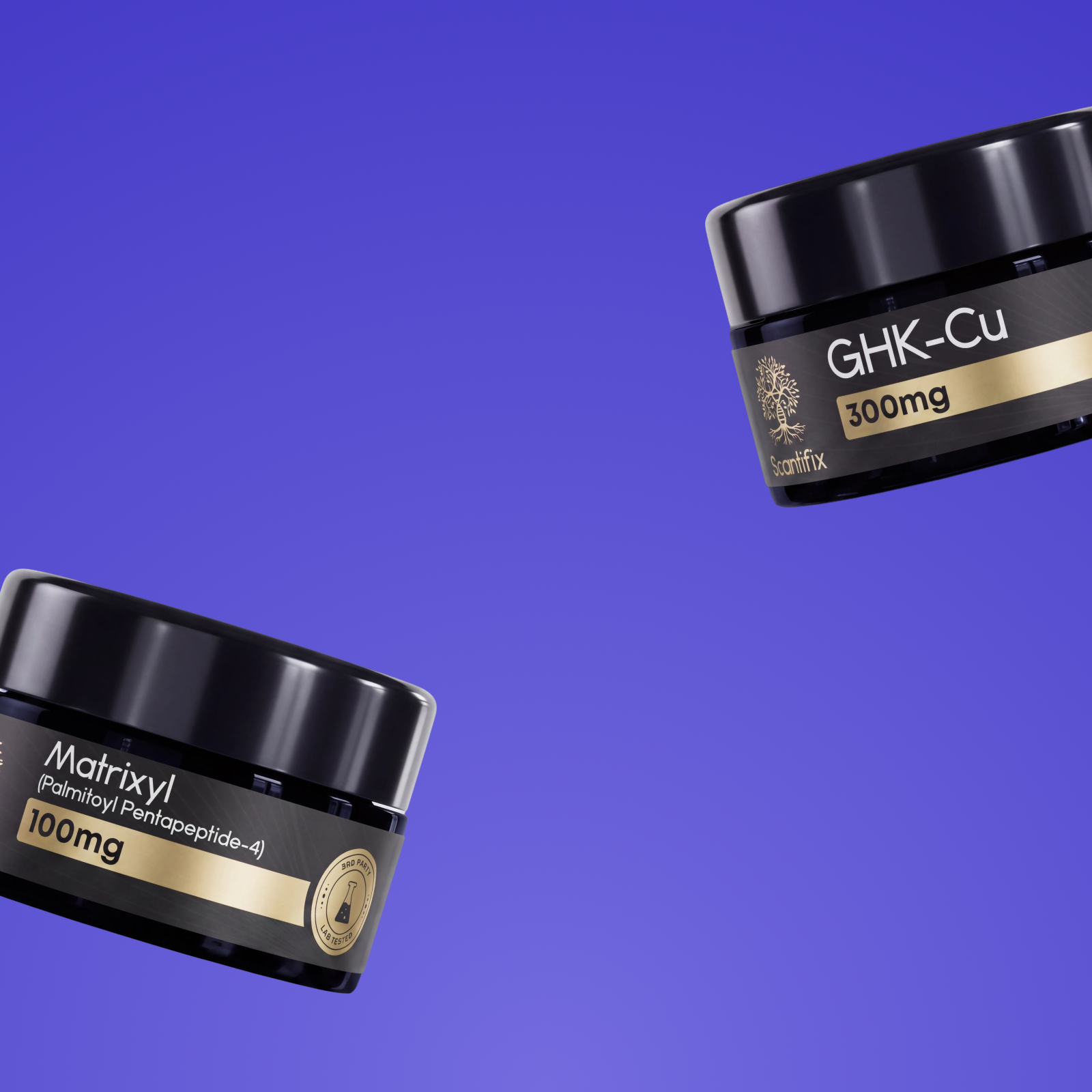
GHK-Cu (Copper Tripeptide-1) is a naturally occurring copper-binding peptide that declines with age. Research shows it supports skin's repair processes, helps regulate inflammatory responses, and promotes the production of components that maintain hydration and structure. When stress has compromised barrier function and increased reactivity, GHK-Cu helps restore a steadier baseline. Clinical studies have linked it with improved skin density, smoother texture, and wound repair (Pickart & Margolina, 2018).
Zinc Thymulin is a complex formed between a thymic peptide and zinc. It supports balanced immune function in skin and is being studied for its role in maintaining healthy skin and hair signaling. When skin is quick to flush or break out due to stress, peptides that help normalize immune responses may contribute to faster recovery and reduced day-to-day volatility.
Collagen and Elasticity Support
Matrixyl (Palmitoyl Pentapeptide-4) is a synthetic peptide designed to mimic a fragment of collagen. When stress has accelerated collagen breakdown, Matrixyl helps counter this by signaling fibroblasts to increase production of new collagen and elastin (Ferreira et al., 2020). With consistent use, skin may maintain better texture and structural integrity even during demanding periods.
Syn-Coll (Palmitoyl Tripeptide-5) works in two ways when it comes to collagen. It encourages new collagen production while helping moderate the enzymatic processes that degrade existing collagen (Trookman et al., 2009). This dual action is particularly useful when stress has accelerated visible texture changes and loss of firmness.
Expression Line Softeners
Expression lines deserve attention, but only after you've stabilized your barrier and calmed reactivity. If stress has you constantly furrowing your brow or tensing your jaw, these peptides can help soften the resulting lines without inhibiting natural movement.
Argireline (Acetyl Hexapeptide-8) works at the nerve-muscle connection to reduce repetitive micro-contractions in high-movement areas (Blanes-Mira et al., 2002). Users typically see softening of expression lines around the forehead and eyes without the “freeze effect” caused by more aggressive treatments. During stressful periods when facial tension increases, it offers a topical approach to managing dynamic lines.
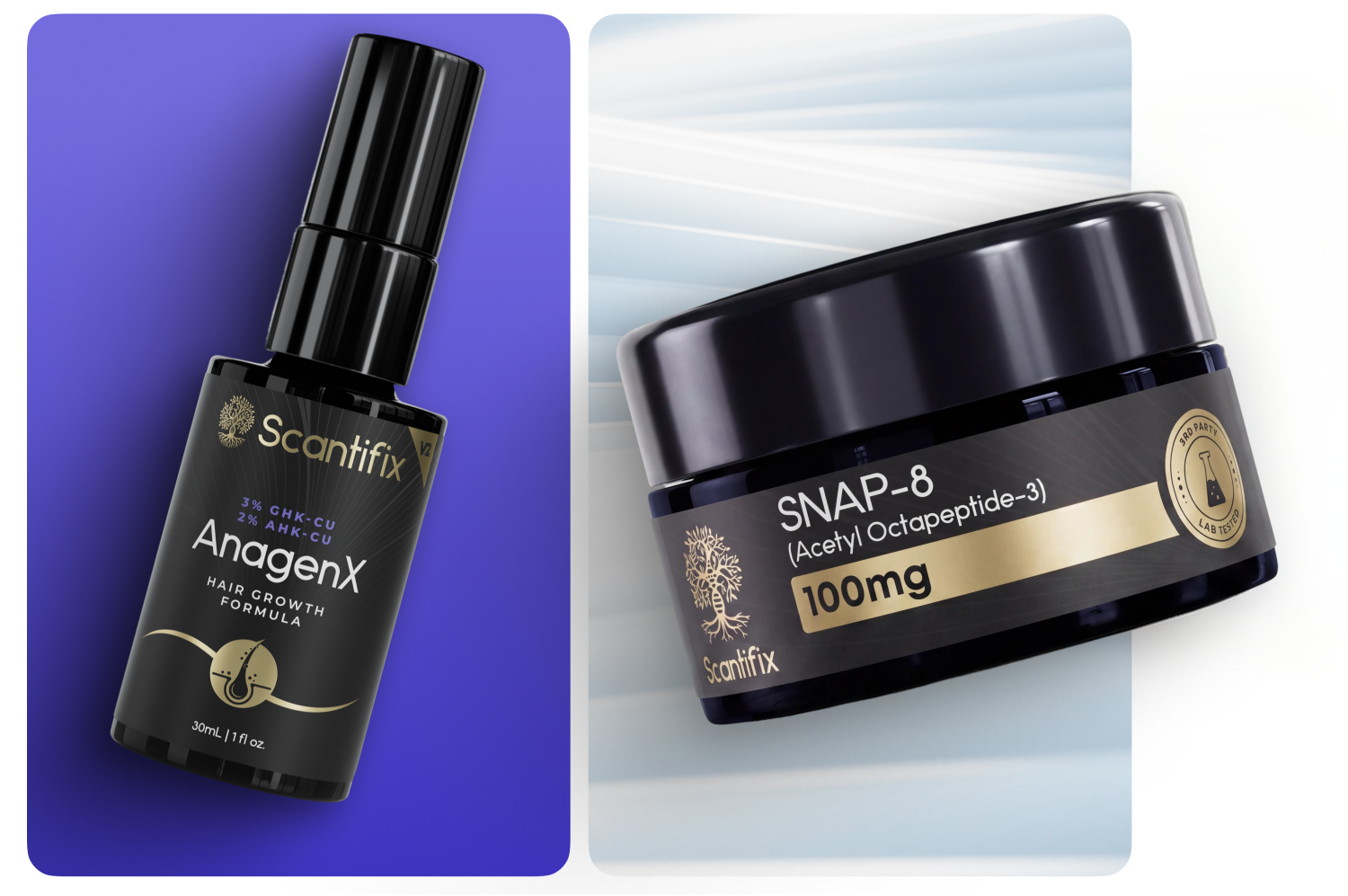
SNAP-8 (Acetyl Octapeptide-3) works similarly to Argireline but through a complementary mechanism, affecting a broader range of neurotransmitter pathways. It's often paired with Argireline because the two produce more comprehensive results together than either peptide alone. This combination is particularly effective for stress-related expression lines that develop from repeated muscle tension (Nguyen et al., 2024).
Knowing which peptides address stress-related changes is half the equation. Using them effectively requires a routine that supports rather than undermines their function.
A Thoughtful Routine for Stressed Skin
When stress is elevated, simplify your routine. Focus on comfort, consistent hydration, and targeted peptide signaling that supports repair without overwhelming already-reactive skin.
Morning approach: Start with a gentle, low-foaming or moisturizing cleanser that respects your barrier. Apply your peptide serum to clean, slightly damp skin. For stressed skin, prioritize barrier support and inflammation control in the morning. GHK-Cu is an excellent choice for its repair and anti-inflammatory properties. If your main concern is structural support, Matrixyl works well here too. Follow with a ceramide-rich moisturizer to reinforce barrier function and prevent transepidermal water loss throughout the day. Finish with mineral-based, broad-spectrum sunscreen. Stressed skin has reduced tolerance for environmental damage, making consistent sun protection essential.
Evening approach: Cleanse thoroughly to remove sunscreen, makeup, and accumulated pollutants. Apply your peptide treatment to clean, slightly damp skin. Evening is ideal for more intensive repair work. For reactive, inflamed, or breakout-prone skin, use GHK-Cu or Zinc Thymulin. For structural concerns and firmness, choose Syn-Coll or Matrixyl. If your barrier is balanced and inflammation has calmed, you can target expression lines by applying Argireline and SNAP-8 to specific areas of repeated movement. Seal everything with a rich moisturizer containing ceramides, cholesterol, and fatty acids to support overnight barrier repair.
What to avoid: Skip physical exfoliants and strong acids while rebalancing stressed skin. These compound barrier damage and increase reactivity. Resist the urge to constantly rotate products. Consistency outperforms novelty. A simple routine used daily will show better results than chasing the next trendy ingredient.
A consistent routine is essential, but so is the purity of your products and ingredients. Here’s what to consider when choosing peptides.
Why Peptide Quality Matters
Purity is critical for peptide effectiveness. Many cosmetic-grade peptides range from 80-95% purity. The remaining percentage contains impurities that dilute results. When your skin is already reactive, these impurities become an additional concern, potentially triggering irritation on top of compromised efficacy.
At Scantifix, our peptides meet pharmaceutical-grade purity standards. For example, our GHK-Cu exceeds 99% purity and maintains its characteristic vibrant blue color that indicates intact copper binding. Our peptides are also in their raw form, so you can create your own serums with ingredients you control. For stressed skin, this matters. You avoid the fillers, fragrances, and preservatives common in commercial formulations that can trigger additional reactivity. Clean peptides, clean ingredients, predictable results.
Even the purest peptides work better when your body isn't fighting chronic stress from other angles. What you do throughout the day influences how well your skin can respond to topical treatment.
Lifestyle Support for Stressed Skin
Changing habits during stressful periods feels nearly impossible. We get it. But even minor shifts can create meaningful support for stressed skin. Choose what feels manageable.
Sleep and circadian rhythm: Sleep quality matters more than duration for some people, but adding even one hour can help stabilize cortisol rhythms. Morning light exposure, even 15 minutes, supports circadian regulation that influences skin repair cycles. If possible, maintain consistent sleep and wake times to reinforce these rhythms.
Hydration: Dehydration compounds barrier dysfunction and makes skin more reactive. Keep water intake steady throughout the day. If plain water feels monotonous, herbal teas or water with lemon count toward hydration.
Movement: Moderate physical activity helps regulate cortisol and supports circulation to the skin. Even a 15-minute walk can make a difference. Avoid overtraining during high-stress periods, as excessive exercise can elevate cortisol further.
Dietary considerations: Anti-inflammatory foods support skin from the inside. Omega-3 fatty acids from fish or flaxseed, colorful vegetables, and foods rich in antioxidants can help modulate inflammatory responses. Consider reducing sugar and processed foods during particularly stressful periods, as these can amplify inflammatory signaling.
Stress management practices: Brief breathing exercises, a few minutes of stretching, or stepping outside for fresh air can help regulate your nervous system. These don't require large time commitments but can shift your body away from chronic stress response.
Final thoughts
Stress can change skin function in measurable ways: barrier integrity decreases, inflammatory thresholds drop, and collagen balance shifts toward degradation. Peptides offer a more precise way to counter these changes by providing the cellular signals that support repair, structure, and reduced reactivity.
Start with the fundamentals: barrier repair and inflammation control. Layer in structural support once reactivity calms. Give it time. With the right approach, your skin can maintain resilience even when stress is unavoidable. Scantifix is here to support your journey with high-purity, transparent peptides you can trust.

Resources:
Altemus, M., Rao, B., Dhabhar, F. S., Ding, W., & Granstein, R. D. (2001).
Stress-induced changes in skin barrier function in healthy women. Journal of Investigative Dermatology, 117(2), 309–317. https://doi.org/10.1046/j.1523-1747.2001.01373.x
Arck, P., Slominski, A., Theoharides, T. C., Peters, E. M. J., & Paus, R. (2006). Neuroimmunology of stress: Skin takes center stage. Journal of Investigative Dermatology, 126(8), 1697–1704. https://doi.org/10.1038/sj.jid.5700104
Blanes-Mira, C., Clemente, J., Jodas, G., Gil, A., Fernández-Ballester, G., Ponsati, B., Gutierrez, L., Pérez-Payá, E., & Ferrer-Montiel, A. (2002). A synthetic hexapeptide (Argireline) with antiwrinkle activity. International Journal of Cosmetic Science, 24(5), 303–310. https://doi.org/10.1046/j.1467-2494.2002.00153.x
Choe, S. J., Kim, D., Kim, E. J., Ahn, J. S., Choi, E. J., Son, E. D., Lee, T. R., & Choi, E. H. (2018). Psychological Stress Deteriorates Skin Barrier Function by Activating 11β-Hydroxysteroid Dehydrogenase 1 and the HPA Axis. Scientific reports, 8(1), 6334. https://doi.org/10.1038/s41598-018-24653-z
Ferreira, M. S., Magalhães, M. C., & Sousa-Lobo, J. M. (2020). Trending anti-aging peptides. MDPI. https://www.mdpi.com/2079-9284/7/4/91
Nguyen, T., Lee, J., & Kim, S. (2024). Sustainable dynamic wrinkle efficacy: Neuromodulatory peptide analogs for vegan-friendly formulations. Cosmetics, 11(4), 118. https://doi.org/10.3390/cosmetics11040118
Nuutinen, P., Riekki, R., Parikka, M., Salo, T., Autio, P., Risteli, J., & Oikarinen, A. (2003). Modulation of collagen synthesis and mRNA by continuous and intermittent use of topical hydrocortisone in human skin. British Journal of Dermatology, 148(1), 39–45. https://doi.org/10.1046/j.1365-2133.2003.05018.x
Pickart, L., & Margolina, A. (2018). Regenerative and protective actions of the GHK-Cu peptide in light of the new gene data. International Journal of Molecular Sciences, 19(7), 1987. https://doi.org/10.3390/ijms19071987
Pujos, M., Chamayou-Robert, C., Parat, M., Bonnet, M., Couret, S., Robiolo, A., & Doucet, O. (2025). Impact of Chronic Moderate Psychological Stress on Skin Aging: Exploratory Clinical Study and Cellular Functioning. Journal of cosmetic dermatology, 24(1), e16634. https://doi.org/10.1111/jocd.16634
Trookman, N. S., Rizer, R. L., Ford, R., Ho, E., & Gotz, V. (2009). Immediate and long‑term clinical benefits of a topical treatment for facial lines and wrinkles. Journal of Clinical Aesthetic Dermatology, 2(3), 38–43. https://www.ncbi.nlm.nih.gov/pmc/articles/PMC2923951/


Leave a comment
All comments are moderated before being published.
This site is protected by hCaptcha and the hCaptcha Privacy Policy and Terms of Service apply.