


When we think about skin aging, the usual culprits come to mind: sun exposure, collagen loss, and the passing of time. But researchers are increasingly focusing on another process that quietly influences how skin ages from within: inflammaging.
Inflammaging begins long before its effects become visible. Understanding this process offers a different perspective on what healthy skin really needs to stay resilient over time.
What Is Inflammaging?
Inflammaging is a term used to describe the gradual increase in chronic, low-grade inflammation that occurs as we age (Franceschi et al., 2000). Unlike the short bursts of inflammation that help heal a cut or fight an infection, inflammaging is a persistent state that quietly places tissues under stress over many years. Although this process occurs throughout the body, it also affects the skin, where it can contribute to collagen breakdown, barrier dysfunction, and slower repair (Pilkington et al., 2021).
The skin is particularly vulnerable because it serves as the body's primary interface with the external environment. Every day, it responds to ultraviolet radiation, pollution, mechanical stress, and microbial exposure while simultaneously managing the natural effects of intrinsic aging.
How Chronic Inflammation Changes the Skin
Healthy skin exists in a careful state of balance. Cells are continually replaced, collagen is produced and remodeled, and the skin barrier repairs itself after daily environmental challenges. Chronic inflammation disrupts this balance.
Inflammatory cytokines stimulate enzymes known as matrix metalloproteinases (MMPs), which break down collagen and elastin within the extracellular matrix (Fisher et al., 2002). While these enzymes are essential during normal wound healing, excessive activation accelerates the degradation of structural proteins that keep skin firm and resilient.
Inflammation also increases the production of reactive oxygen species (ROS), unstable molecules that damage proteins, lipids, and DNA within skin cells. This oxidative stress further activates MMPs while impairing the skin's ability to produce new collagen, creating an imbalance where breakdown begins to outpace repair (Rinnerthaler et al., 2015).
At the same time, fibroblasts, the cells responsible for producing collagen and maintaining the extracellular matrix, become less efficient under chronic inflammatory stress. Some enter a state known as cellular senescence, where they remain alive but produce fewer structural proteins while releasing additional inflammatory molecules into their surroundings (Campisi, 2013). Rather than supporting repair, these senescent cells amplify the inflammatory environment, accelerating tissue degeneration over time.
Over months and years, this contributes to thinner skin, reduced elasticity, slower healing, and increasingly visible fine lines and wrinkles.
The Link Between Inflammaging and the Skin Barrier
The skin barrier is often thought of as a protective wall that keeps moisture in and irritants out. In reality, it is a dynamic biological system that constantly repairs itself.
Persistent low-grade inflammation interferes with this process and as barrier function weakens, transepidermal water loss increases, leaving skin drier and more vulnerable to external stressors (Elias, 2008). Environmental irritants can then penetrate more easily, triggering additional inflammatory responses that further impair barrier function. This creates a self-perpetuating cycle. Inflammation weakens the barrier, and a weakened barrier promotes even more inflammation.
Many common signs of aging, including dryness, sensitivity, rough texture, and uneven tone, may therefore reflect ongoing inflammatory processes as much as simple collagen loss (Pilkington et al., 2021).
Why Inflammaging Is Different from Normal Inflammation
Inflammation itself is not harmful. In fact, it is one of the body's most important defense mechanisms. Following an injury or infection, inflammatory cells help eliminate damaged tissue and initiate repair before the response naturally subsides.
Inflammaging is different because this process never fully switches off. Instead of short bursts of controlled inflammation followed by healing, the skin remains exposed to persistent, low-level inflammatory signaling that gradually damages healthy tissue.
This ongoing activity continuously stimulates collagen-degrading enzymes, increases oxidative stress, and places fibroblasts under constant pressure (Franceschi et al., 2000; Rinnerthaler et al., 2015). Rather than supporting regeneration, inflammation becomes a driver of structural decline, contributing to the slow but progressive loss of firmness, elasticity, and resilience associated with aging skin.
What Drives Inflammaging?
Inflammaging develops through the combined effects of internal aging and lifelong environmental exposure.
Ultraviolet radiation remains one of the most significant contributors. Repeated UV exposure generates reactive oxygen species that damage cellular structures and activate inflammatory signaling pathways (Fisher et al., 2002).
Air pollution has also been linked to oxidative stress and chronic inflammatory responses within the skin (Vierkötter & Krutmann, 2012). Fine particulate matter can penetrate the skin surface, increasing free radical production and accelerating collagen degradation.
Lifestyle factors contribute as well. Chronic psychological stress, poor sleep quality, smoking, highly processed diets, and metabolic dysfunction have all been associated with elevated inflammatory markers and accelerated biological aging (Furman et al., 2019).
Even normal cellular aging plays a role. Senescent cells, often referred to as "zombie cells," stop dividing but remain metabolically active, releasing inflammatory molecules that influence surrounding tissues. This collection of inflammatory signals, known as the senescence-associated secretory phenotype (SASP), is now considered one of the key drivers of inflammaging (Campisi, 2013).
Breaking the Cycle of Inflammaging
One of the defining features of inflammaging is that it becomes self-sustaining. Chronic inflammation weakens the skin barrier, impaired barrier function increases sensitivity to environmental stressors, and that additional stress triggers even more inflammation. Breaking this cycle is one of the most effective ways to support healthier skin over time.
Calm Before You Stimulate
When skin exists in a chronically inflamed state, aggressive treatments can sometimes add to the problem rather than solve it. Supporting barrier function and reducing unnecessary irritation creates a stronger foundation for repair.
This is why many modern skincare strategies emphasize gentle cleansing, consistent hydration, and barrier-supportive ingredients before introducing more intensive treatments. Skin that is well hydrated and less reactive is better equipped to respond to regenerative signals.
Encourage Repair Rather Than Irritation
One consequence of inflammaging is that repair signals become less effective while tissue-degrading signals become more prominent. Certain peptides may help rebalance this environment by encouraging fibroblast activity and supporting extracellular matrix renewal rather than inflammatory breakdown (Schagen, 2017; Pickart & Margolina, 2018). Instead of forcing rapid turnover, they work by reinforcing the skin's own regenerative communication pathways.
For skin affected by inflammaging, supporting repair without adding unnecessary inflammation may offer a more balanced long-term strategy.
Combine Biological Signals with Physical Regeneration
Topical peptides become even more effective when paired with treatments that activate the skin's natural repair mechanisms.
Microneedling creates controlled micro-injuries that initiate tissue remodeling and collagen production, while red light therapy supports mitochondrial function and cellular energy production, helping cells carry out those repair processes more efficiently (Singh & Yadav, 2016; Kim et al., 2019). Together, these approaches complement peptide signaling by creating an environment that favors regeneration over chronic inflammatory stress.
Rather than targeting a single wrinkle or fine line, this combination addresses several of the biological pathways that contribute to inflammaging, helping support healthier, more resilient skin over time.
Supporting Skin Against Inflammaging with Scantifix
If inflammaging is driven by multiple interconnected processes, it follows that supporting the skin should also involve multiple complementary strategies. Rather than focusing on a single wrinkle or isolated concern, addressing barrier integrity, collagen signaling, tissue repair, and environmental stress together creates conditions that better support long-term skin resilience.
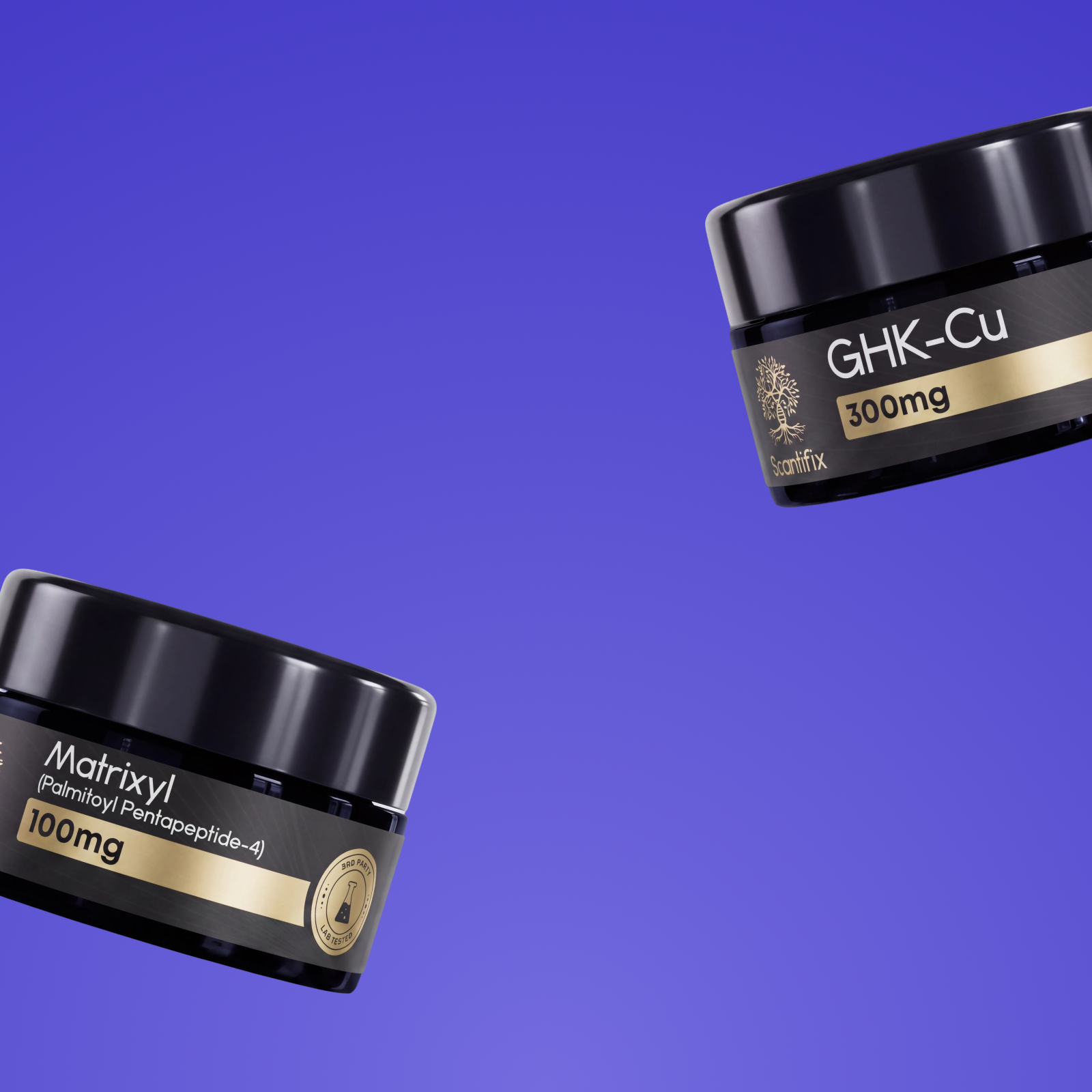
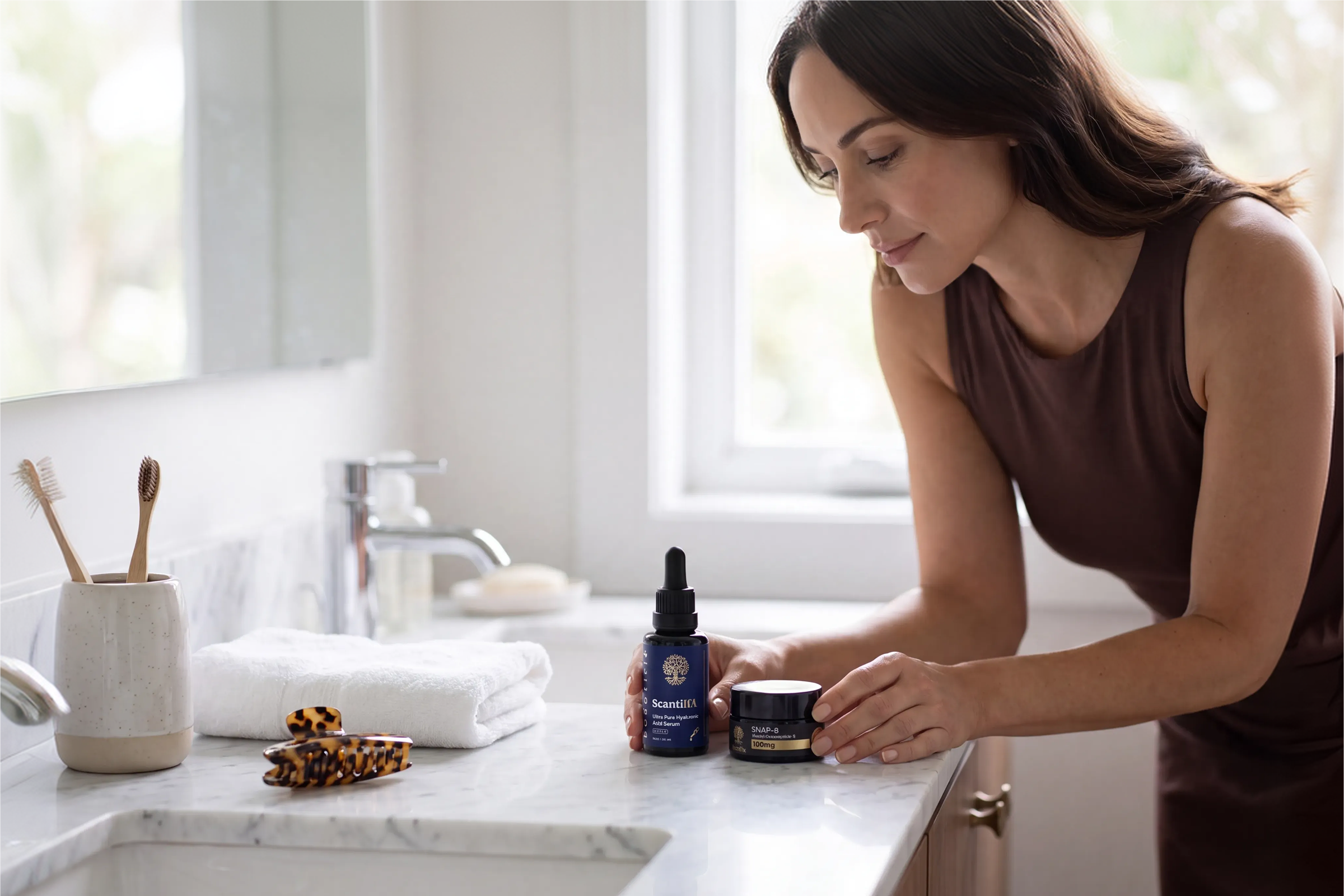
At Scantifix, this systems-based approach guides our product development. From high-purity topical peptides such as GHK-Cu, Matrixyl, Syn-Coll, and Syn-Tacks to advanced tools like microneedling and red light therapy, each product is designed to support a different aspect of the skin's natural repair biology. Used together, they help create an environment where healthier, more resilient skin can thrive.
For those seeking a broader approach, combining peptide skincare with microneedling and red light therapy can support collagen production, barrier function, and skin resilience simultaneously. Our Wrinkler Twinkler Bundle brings these complementary strategies together to help support healthier-looking skin through multiple biological pathways.
For those wanting to take this approach a step further, Agelixir brings together a broad spectrum of advanced peptides in a single serum designed to support smoother, firmer, and more resilient-looking skin. In a 12-week clinical study, users experienced a 23% reduction in visible wrinkle count, making Agelixir a natural addition for those looking to support skin affected by the long-term effects of inflammaging.
Final Thoughts
Inflammaging reminds us that skin aging is about more than the gradual loss of collagen. It reflects a complex interaction between chronic inflammation, barrier function, environmental exposure, and the skin's ability to repair itself over time.
By understanding these underlying mechanisms, skincare becomes less about chasing individual signs of aging and more about supporting the biological processes that keep skin healthy in the first place. Consistent protection, barrier support, and ingredients that work with the skin's natural signaling systems can help maintain stronger, more resilient skin as it ages naturally.
References
Campisi, J. (2013). Aging, cellular senescence, and cancer. Annual Review of Physiology, 75, 685–705. https://doi.org/10.1146/annurev-physiol-030212-183653
Elias, P. M. (2008). Skin barrier function. Current Allergy and Asthma Reports, 8(4), 299–305. https://pmc.ncbi.nlm.nih.gov/articles/PMC2843412/
Fisher, G. J., Kang, S., Varani, J., Bata-Csorgo, Z., Wan, Y., Datta, S., & Voorhees, J. J. (2002).
Mechanisms of photoaging and chronological skin aging. Archives of Dermatology, 138(11), 1462–1470. https://pubmed.ncbi.nlm.nih.gov/12437452/
Franceschi, C. et al. (2000). Inflamm-aging: An evolutionary perspective on immunosenescence. Annals of the New York Academy of Sciences, 908, 244–254. https://doi.org/10.1111/j.1749-6632.2000.tb06651.x
Furman, D. et al. (2019). Chronic inflammation in the etiology of disease across the life span. Nature Medicine, 25(12), 1822–1832. https://doi.org/10.1038/s41591-019-0675-0
Kim, B. et al (2019). Low-level red and infrared light increases expression of collagen, elastin, and hyaluronic acid in skin. Journal of the American Academy of Dermatology, 81(4), AB434. https://doi.org/10.1016/j.jaad.2019.10.089
Pickart, L., & Margolina, A. (2018). Regenerative and protective actions of the GHK-Cu peptide in the light of the new gene data. International Journal of Molecular Sciences, 19(7), 1987. https://doi.org/10.3390/ijms19071987
Pilkington, S. M. et al (2021). Inflammaging and the skin. Journal of Investigative Dermatology, 141(4S), 1087–1095. https://pubmed.ncbi.nlm.nih.gov/33358020/
Rinnerthaler, M. et al (2015). Oxidative stress in aging human skin. Biomolecules, 5(2), 545–589. https://doi.org/10.3390/biom5020545
Schagen, S. K. (2017). Topical peptide treatments with effective anti-aging results. Cosmetics, 4(2), 16. https://doi.org/10.3390/cosmetics4020016
Singh, A., & Yadav, S. (2016). Microneedling: Advances and widening horizons. Indian Dermatology Online Journal, 7(4), 244–254. https://doi.org/10.4103/2229-5178.185468
Vierkötter, A., & Krutmann, J. (2012). Environmental influences on skin aging and ethnic-specific manifestations. Dermato-Endocrinology, 4(3), 227–231. https://pubmed.ncbi.nlm.nih.gov/23467702/

Leave a comment
All comments are moderated before being published.
This site is protected by hCaptcha and the hCaptcha Privacy Policy and Terms of Service apply.