


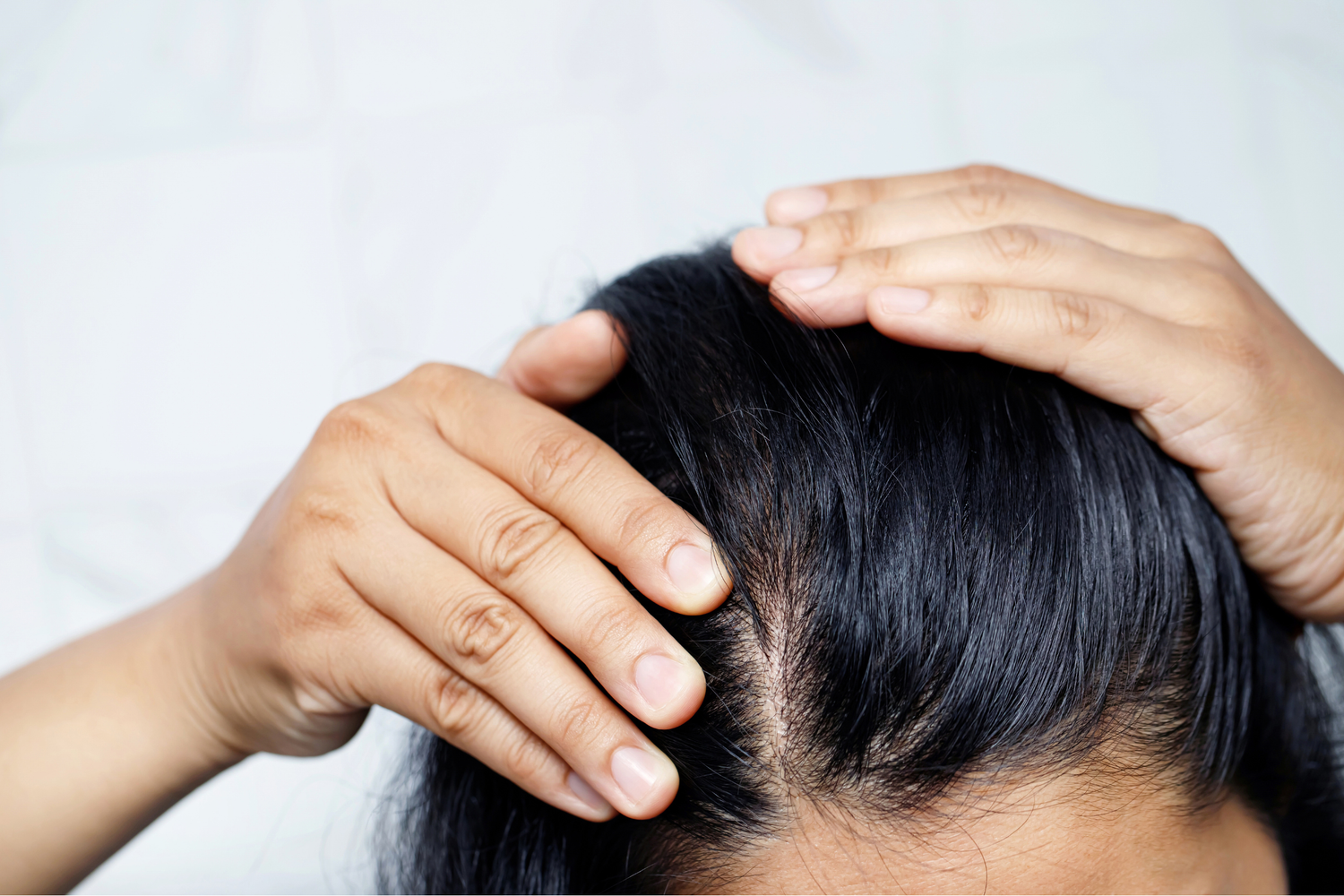
You've probably heard about the gut microbiome and how it affects digestion, immunity, and overall health. But did you know that your scalp has a microbiome too? In fact, each individual hair follicle hosts its own community of bacteria and fungi that live within and around the follicle structure itself.
These microbial communities interact constantly with follicle cells and the immune system, influencing local inflammation and the signals that determine whether hair grows, rests, or sheds. When the follicle microbiome falls out of balance, it can create conditions that interfere with healthy hair cycling.
This blog explores how the follicle microbiome influences hair growth, what research shows about microbial imbalance in hair loss, and why gentle, supportive approaches tend to work better than aggressive treatments that disrupt the scalp's natural ecosystem.
What Is the Follicle Microbiome?
The follicle microbiome refers to the microbial communities living in and around individual hair follicles, particularly in the pilosebaceous unit where the hair shaft, sebaceous gland, and surrounding tissue meet. This creates a unique microenvironment that is warm, moist, rich in lipids from sebum, and relatively protected from the outside world.
A healthy scalp maintains a diverse, balanced population of resident microbes as part of normal function. The problem arises when that balance tips, like when certain species dominate or when overall diversity drops. Microbial imbalance, also called dysbiosis, can influence follicular function and hair growth.
How the Microbiome Affects Hair Growth
Hair follicles are more complex than you might think. They're surrounded by immune cells that constantly monitor what's happening around them, and they communicate with the microbes living nearby. Each follicle maintains something called immune privilege, a protective state that shields growing hair from unnecessary immune responses (Paus et al., 2003).
The microbes around your follicles produce byproducts as they consume sebum, dead skin cells, and sweat components. Some of these byproducts can trigger immune responses, especially when certain pro-inflammatory species start to dominate or when microbial diversity declines.
This back-and-forth between microbes, immune cells, and follicles influences the hair growth cycle. Hair cycles through anagen (growth), catagen (transition), and telogen (rest). When microbial imbalance contributes to chronic low-grade inflammation around the follicle, it can shorten the growth phase or interfere with how well the follicle regenerates.
Microbes aren’t directly responsible for causing hair loss, but they can shift the conditions on the scalp in ways that can make it harder for follicles to function optimally over time.
What Research Shows
Multiple studies have observed that people with androgenetic alopecia (AGA) tend to have disrupted scalp and follicle microbiomes. What researchers see is beneficial bacteria that normally keep the scalp stable starting to decline, while opportunistic species move in to fill the gap.
Research on over 140 participants found declining levels of normal scalp bacteria like Cutibacterium and Staphylococcus, with other non-resident species taking their place (Jung et al., 2022). When researchers examined individual follicles, they found that the thin, weakened hairs characteristic of AGA had elevated levels of Propionibacterium acnes compared to healthier hairs (Ho et al., 2019).
These bacterial shifts appear connected to changes in sebum composition. Studies show that people with AGA have higher levels of certain lipids like triglycerides and palmitic acid in their sebum (Suzuki et al., 2021). This creates ideal conditions for fungal overgrowth, particularly Malassezia restricta, a lipid-loving fungus that produces inflammatory byproducts as it metabolizes these oils.
One of the more surprising findings is that this microbial disruption isn't limited to areas of visible hair loss. Recent research found dysbiosis across the entire scalp in people with AGA, and the degree of imbalance correlated with how severe the hair loss was (Wang et al., 2025). This suggests microbiome disruption may begin before visible hair loss appears, rather than only developing after thinning is already advanced.
The consistent theme across this research: AGA associates with microbial imbalance, and that imbalance creates conditions around follicles that favor inflammation.
Inflammation: The Link Between Bacteria and Hair Growth
Earlier we mentioned that microbes don't directly cause hair loss, but they can create conditions that make it harder for follicles to function well. That condition is inflammation. Not the obvious kind you'd see with an infection, but rather the chronic, low-level inflammation that persists quietly over time.
Here's how it works: different bacteria produce different byproducts as they break down oils and other substances on your scalp. When problem-causing species start to dominate, the byproducts they release activate your immune system. This triggers ongoing inflammatory signaling around the follicle. When inflammatory signals stay elevated, follicles may exit the growth phase too early or struggle to regenerate properly (Natarelli et al., 2003). It also creates oxidative stress that damages the cellular mechanisms follicles need to grow hair.
The result is an environment that makes it harder for follicles to maintain healthy growth cycles. This explains the connection between what researchers observe (bacterial imbalance) and what people experience (progressive hair thinning).
Why Aggressive Scalp Treatments Can Disrupt Balance
When it comes to the topic of bacteria, we’re been conditioned to scrub harder, use stronger products, or target the microbes directly. But with the scalp and follicle microbiomes, aggressive approaches often backfire.
Over-cleansing with harsh shampoos, frequent use of antimicrobial treatments, and excessive exfoliation can strip away the lipid layer that protects the scalp barrier. When the barrier is compromised, the skin loses moisture, pH shifts, and the microbial community destabilizes. Beneficial bacteria that normally keep opportunistic species in check get wiped out along with everything else, creating an opening for more problematic organisms to colonize.
Antifungal treatments can provide short-term relief from visible symptoms like flaking or itching, but they don't restore balance. They create a blank slate, and without support for a diverse, stable microbiome, the same issues often return.
Sterility shouldn’t be the goal. A healthy scalp needs a functioning microbial ecosystem, not an absence of microbes. The aim should be to support conditions that favor balance and diversity, not to eliminate microbial life altogether.
How Gentle Care Supports a Healthier Follicle Environment
Rather than attacking the microbiome, it’s more effective to work with the body's natural systems to create conditions that favor stability and reduce unnecessary inflammation.
Topical Peptides
Peptides are short chains of amino acids that act as signaling molecules. Unlike harsh treatments that disrupt the scalp environment, peptides work by supporting the follicle's natural responses.
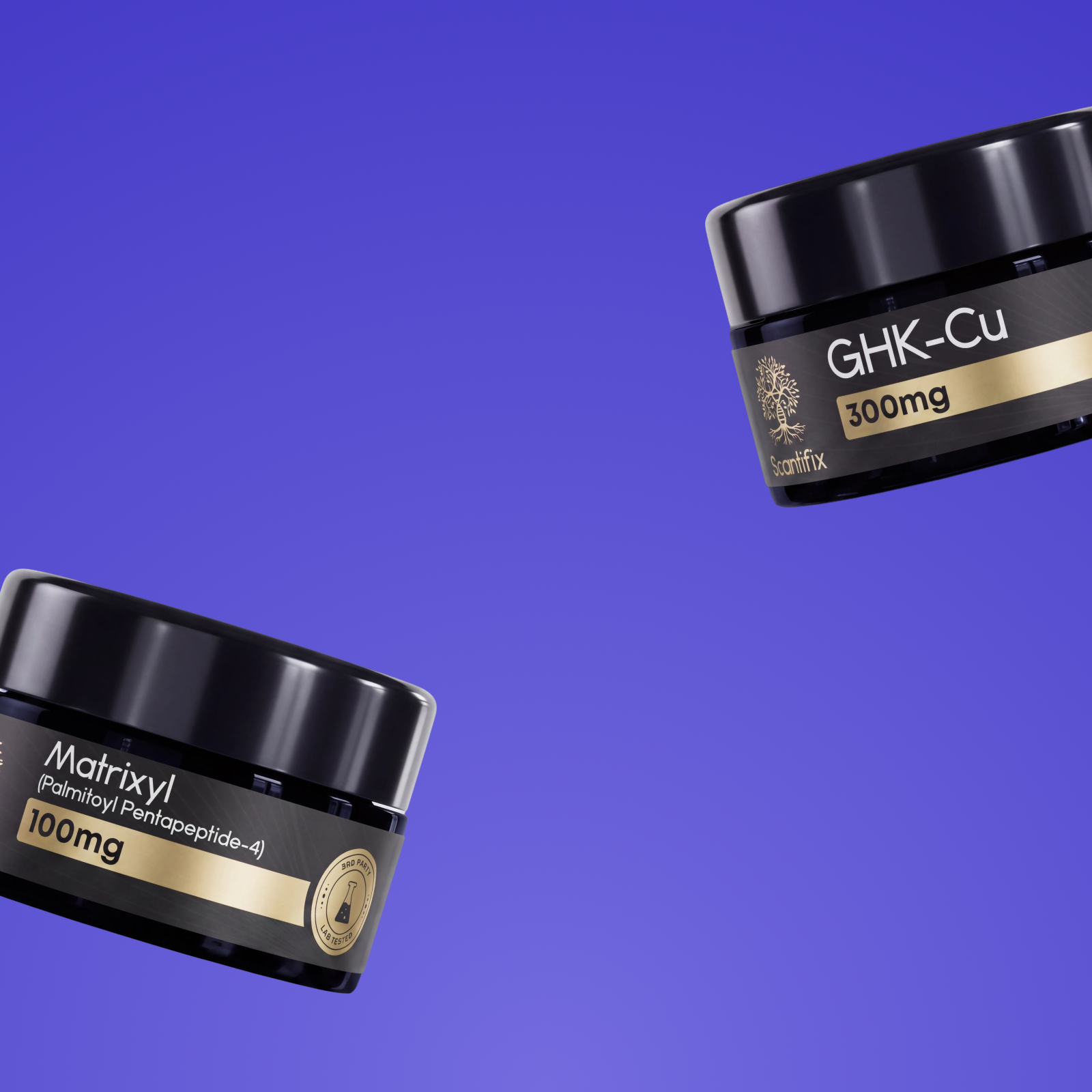
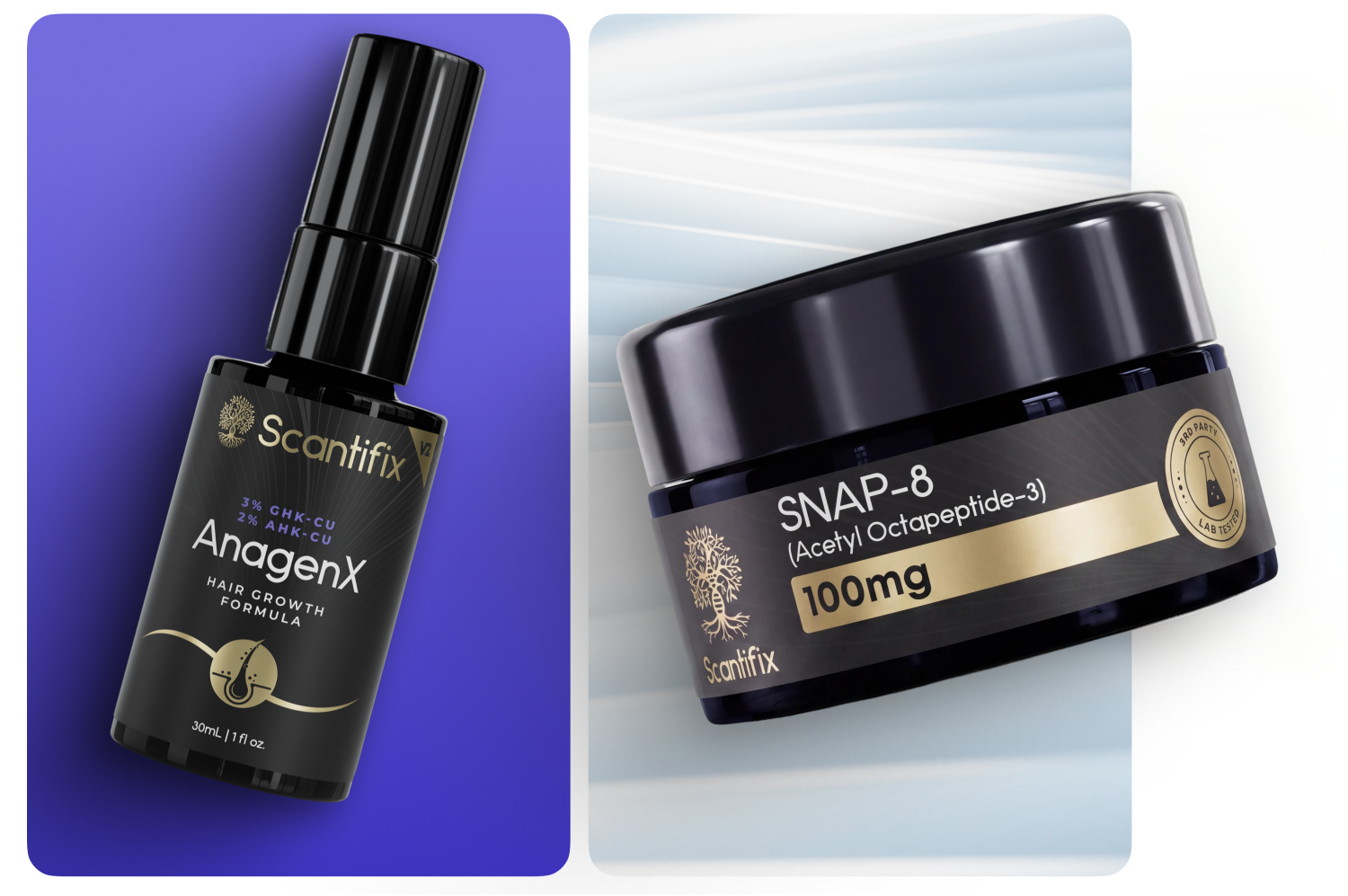
Certain peptides have shown promise in supporting tissue regeneration and reducing inflammation around follicles. Copper peptides like GHK-Cu support repair processes, while GHK-Biotin combines growth signaling with structural support for hair protein production. Zinc Thymulin has demonstrated particular effectiveness in reducing inflammatory signaling and supporting immune balance in the scalp. These compounds help create conditions that may support healthier hair cycling.
For more on how peptides support hair health, see our guide on peptides for hair growth.
Red Light Therapy
Red light therapy uses visible red to near-infrared light to support cellular energy production, improve local circulation, and help regulate inflammatory responses. It works at the mitochondrial level, enhancing ATP production and reducing oxidative stress without altering the scalp's helpful microbial populations.
This makes it a particularly useful complement to other hair health strategies. It supports the biological processes that follicles need to function well—energy, circulation, and inflammation control. Over time, this can create a more stable, supportive environment for hair growth.
Learn more in our blog about red light therapy for hair and scalp health.
Baseline Factors That Influence Microbiome Stability
Your scalp and follicle microbiomes are influenced by factors like stress, sleep quality, and skin barrier integrity. Chronic stress affects immune function and can shift microbial populations. Poor sleep disrupts repair processes and weakens immune tolerance. Barrier disruption from harsh products or environmental damage creates instability that favors dysbiosis. Understanding these connections helps uncover a more complete approach to supporting hair growth.
Setting Realistic Hair Growth Expectations
Supporting the follicle microbiome takes time. Microbial communities stabilize gradually, and inflammatory patterns don't resolve overnight. Over weeks and months, you might notice reduced shedding, less scalp sensitivity, and improved resilience. These changes reflect an environment more supportive of the hair growth cycle.
Consistency matters more than intensity. Gentle, supportive interventions applied regularly over time tend to produce more durable outcomes than aggressive treatments that disrupt and destabilize. The goal is to create conditions where hair follicles can function at their best within any biological constraints you might be working with.
Key Takeaways: Supporting Balance, Not Controlling Biology
The research confirms: Your scalp's microbial balance plays a role in hair health through inflammation and immune signaling. When that balance gets disrupted, it can create an environment where follicles struggle to maintain healthy growth cycles. It’s natural to hear “microbes” and think you need to strip it all away, but gentle, biology-respecting approaches tend to work better. The key to supporting your scalp is creating stable conditions where hair can function at its best, which takes consistency and patience, not intensity.
If you're dealing with hair thinning, consider whether your current routine might be disrupting more than it's helping, and explore approaches that work with your biology rather than against it.

Resources
Natarelli, N., Gahoonia, N., & Sivamani, R. K. (2023). Integrative and Mechanistic Approach to the Hair Growth Cycle and Hair Loss. Journal of Clinical Medicine, 12(3), 893. https://doi.org/10.3390/jcm12030893
Ho, B. S., Ho, E. X. P., Chu, C. W., Ramasamy, S., Bigliardi-Qi, M., de Sessions, P. F., & Bigliardi, P. L. (2019). Microbiome in the hair follicle of androgenetic alopecia patients. PLOS ONE, 14(5), e0216330. https://doi.org/10.1371/journal.pone.0216330
Jung, D., Yoo, H., Kim, M., Singh, V., Park, S., Jeong, M., Lee, J., Kim, B., & Koh, H. (2022). Comparative analysis of scalp and gut microbiome in androgenetic alopecia: A Korean cross-sectional study. Frontiers in Microbiology, 13, 1076242. https://doi.org/10.3389/fmicb.2022.1076242
Paus, R., Ito, N., Takigawa, M., & Ito, T. (2003). The hair follicle and immune privilege. The journal of investigative dermatology. Symposium proceedings, 8(2), 188–194. https://doi.org/10.1046/j.1087-0024.2003.00807.x
Suzuki, K., Inoue, M., Cho, O., Mizutani, R., Shimizu, Y., Nagahama, T., & Sugita, T. (2021). Scalp microbiome and sebum composition in Japanese male individuals with and without androgenetic alopecia. Microorganisms, 9(10), 2132. https://doi.org/10.3390/microorganisms9102132
Wang, X., Li, F., Sun, Y., Meng, F., Song, Y., & Su, X. (2025). Microbial dysbiosis and its diagnostic potential in androgenetic alopecia: insights from multi-kingdom sequencing and machine learning. mSystems, 10(6), e00548-25. https://doi.org/10.1128/msystems.00548-25

Leave a comment
All comments are moderated before being published.
This site is protected by hCaptcha and the hCaptcha Privacy Policy and Terms of Service apply.