



When people think about scalp health, sebum, the natural oil produced by the scalp, is often seen as the problem. An oily scalp is commonly associated with greasy hair, irritation, dandruff, and even hair thinning, making it tempting to remove as much oil as possible.
But sebum is not simply good or bad. Its role depends on balance. In this article, we look at what sebum actually does, what can happen when the scalp produces too much or too little, how that may affect the environment around hair follicles, and which approaches may help support healthier scalp function.
What Is Scalp Sebum
Sebum is a naturally occurring oil produced by sebaceous glands attached to each hair follicle. It is made up of lipids including triglycerides, wax esters, squalene, and cholesterol, all of which help lubricate the scalp and hair (Picardo et al., 2009).
Beyond preventing dryness, sebum forms part of the scalp's protective barrier. It helps reduce water loss, supports the scalp microbiome, and creates conditions that protect the skin from environmental stress (Picardo et al., 2009; Lovászi et al., 2017).
Healthy sebum production allows the scalp to remain hydrated and resilient while providing a stable environment for normal follicle function (Lovászi et al., 2017). Problems begin when this carefully regulated system produces either too much or too little oil.
When Sebum Production Is Too High
An overproduction of sebum can alter the delicate ecosystem of the scalp. Excess oil provides an environment where naturally occurring microorganisms such as Malassezia yeast can thrive. As sebum accumulates, it can also oxidize through exposure to air and ultraviolet light, producing irritating byproducts that contribute to scalp discomfort and inflammation (Ro & Dawson, 2005; Lovászi et al., 2017).
The result may include:
- Increased scalp irritation
- Flaking or dandruff-like symptoms
- Itching
- Redness
- A greasy appearance despite frequent washing
Over time, chronic irritation may compromise the healthy environment surrounding hair follicles. Although follicles can continue functioning under these conditions, prolonged inflammation is generally considered unfavorable for normal hair cycling and tissue repair (Trüeb, 2015).
When Sebum Production Is Too Low
While excess oil receives most of the attention, insufficient sebum can also create challenges. Without enough natural oil, the scalp barrier becomes less effective at retaining moisture. Water escapes more easily, leaving the skin dry, tight, and more vulnerable to irritation from environmental stressors or harsh hair products (Elias, 2008).
A weakened barrier may increase scalp sensitivity and reduce the overall resilience of the tissue supporting hair follicles (Elias, 2008).
Healthy hair depends on healthy skin. Just as fertile soil supports stronger plants, a balanced scalp environment helps provide follicles with the conditions they need to function normally.
Sebum, Inflammation, and Follicle Health
The relationship between sebum and hair health is less about oil itself and more about the environment it creates.
When sebum production becomes excessive, oxidative changes and microbial imbalance may encourage persistent low-grade inflammation around the follicle (Lovászi et al., 2017). At the same time, repeated cleansing with harsh shampoos in an attempt to remove oil can disrupt the scalp barrier, leading to additional irritation and dryness.
This creates a cycle where both excess oil and overcorrection contribute to scalp stress. Researchers increasingly recognize that maintaining a balanced scalp environment may be just as important as supporting the follicle itself (Trüeb, 2015). A scalp that remains hydrated, resilient, and biologically balanced provides a more favorable setting for healthy hair growth than one caught in repeated cycles of inflammation and barrier disruption.
Why Is Sebum Production So Closely Linked to Hair Loss
Sebum production is strongly influenced by androgens, the hormones responsible for many male characteristics (Zouboulis et al., 2022).
Hair follicles and sebaceous glands both contain androgen receptors, making them responsive to hormones such as testosterone and dihydrotestosterone (DHT). While DHT is best known for its role in androgenetic alopecia, it also stimulates sebaceous glands to produce more oil (Randall, 2008).
This is why oily skin and oily scalps often develop alongside male pattern hair loss. Importantly, excess sebum does not directly cause hair loss. Many people with oily scalps maintain healthy hair density throughout life. Instead, researchers believe excessive sebum may contribute to changes in the scalp environment that place additional stress on follicles already genetically susceptible to miniaturization (Trüeb, 2015; Zouboulis et al., 2022).
Rather than acting as the cause, sebum imbalance may become one part of a larger biological picture.
Supporting a Healthier Scalp Environment
Rather than trying to eliminate sebum altogether, the goal should be to maintain balance. Gentle cleansing removes excess oil without stripping the scalp of its protective lipids. Supporting barrier function helps the scalp tolerate environmental stress while maintaining hydration, and avoiding harsh or overly drying products reduces unnecessary irritation (Elias, 2008).
This approach shifts the focus away from simply controlling oil and toward supporting the biological environment in which hair follicles exist.
How Peptides May Help Support Follicle Health
As research into scalp biology advances, attention has increasingly turned toward peptides that support tissue repair and healthy cellular communication.
GHK-Cu
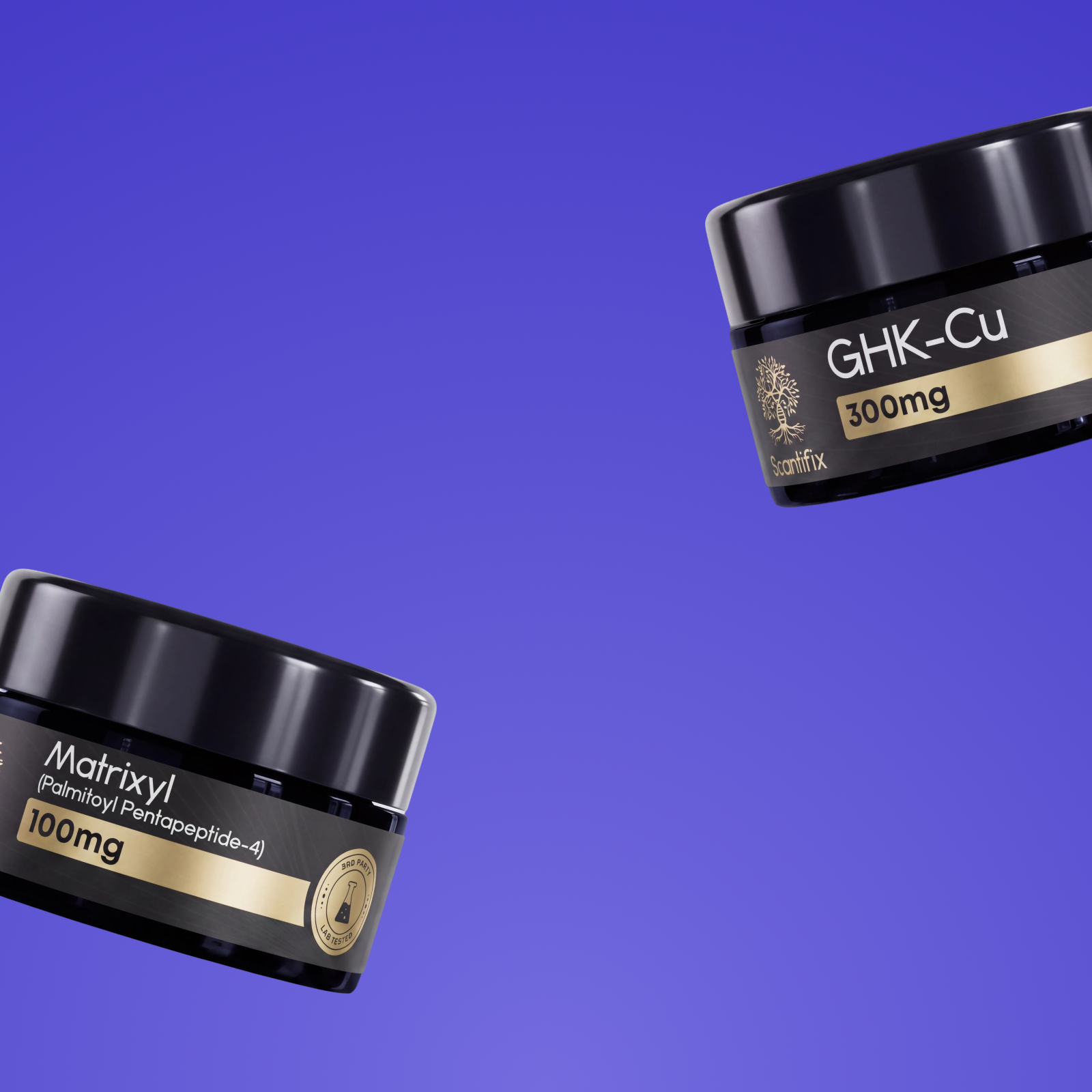
GHK-Cu has been extensively studied for its role in tissue remodeling, extracellular matrix support, and healthy inflammatory regulation. By supporting the scalp's natural repair processes, it may contribute to an environment that better supports follicle function (Pickart & Margolina, 2018).
Zinc Thymulin
It has attracted interest for its potential role in immune signaling and follicle cycling. Rather than acting directly on hair growth, it appears to support the biological communication pathways involved in maintaining normal follicle activity.
AnagenX
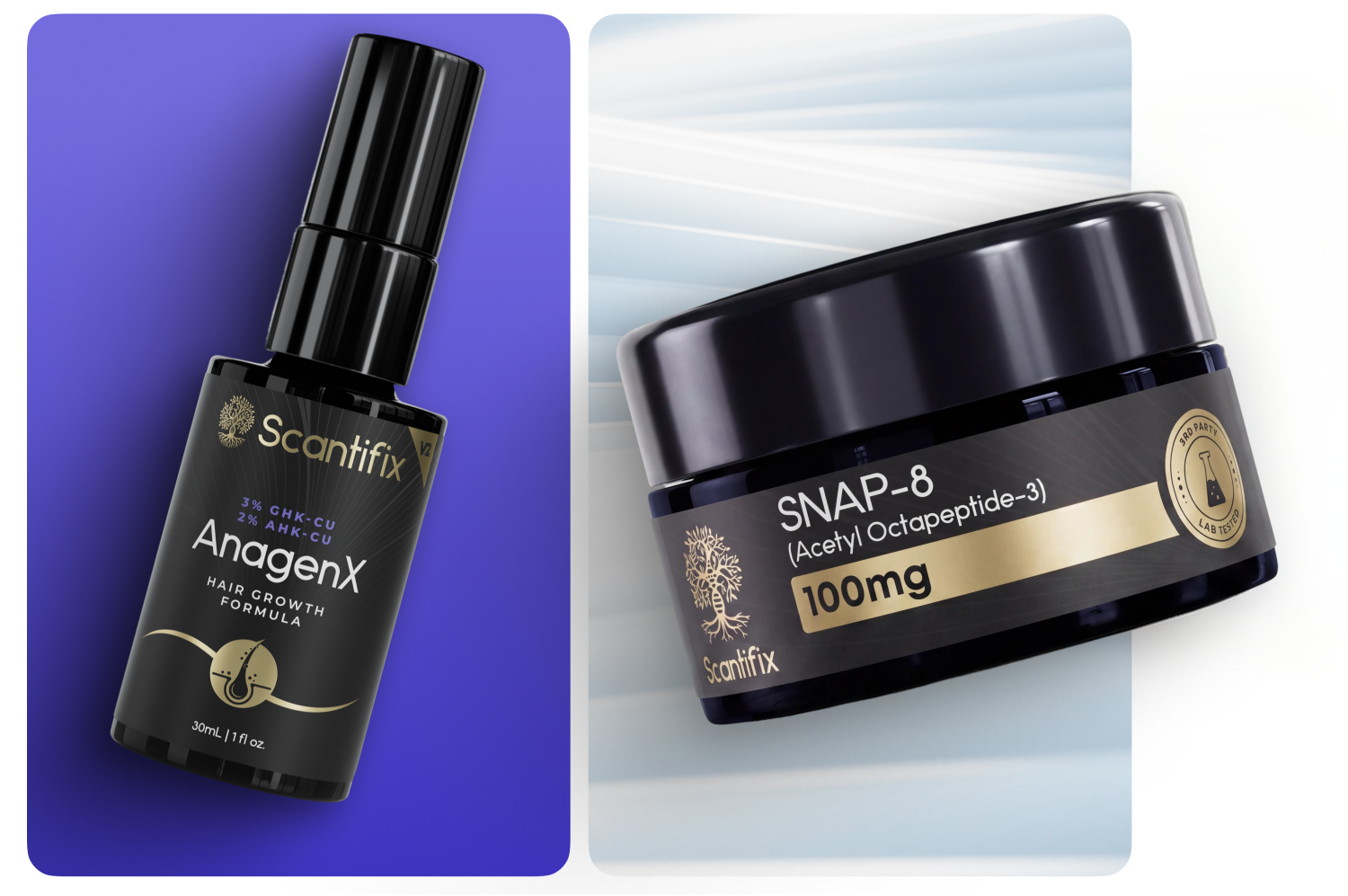
AnagenX brings together multiple peptides, including AHK-Cu, GHK-Cu, GHK-Biotin, KPV, Decapeptide-52, and BPC-157, each selected for their complementary roles in supporting scalp health. Together, they provide targeted biological signals that encourage tissue repair, support the extracellular matrix, and help maintain a healthy environment around the follicle (Pickart & Margolina, 2018; Schagen, 2017).
Instead of attempting to override the scalp's natural biology, peptide-based approaches aim to work alongside it by supporting the signaling pathways involved in repair and maintenance.
A Science-Backed Approach to Scalp Health
Healthy hair begins with a healthy scalp, and supporting that environment often requires more than a single product or ingredient. Barrier function, tissue repair, circulation, and healthy cellular activity all contribute to the conditions in which hair follicles function.
At Scantifix, this systems-based approach shapes our hair care philosophy. The Dome Beamer uses red light therapy to support healthy cellular energy production and create an environment that favors normal scalp function and tissue repair. When paired with AnagenX, a research-informed peptide formula designed to support follicle biology and the surrounding scalp tissue, the two approaches work together to support multiple aspects of scalp health rather than focusing on hair alone.
Together, they help create the conditions for a healthier scalp, because resilient hair starts with a resilient foundation.
Final Thoughts
Scalp sebum is neither inherently good nor bad. It is a natural component of a healthy scalp ecosystem, providing protection, hydration, and support for normal follicle function.
Problems arise when balance is lost. Too much oil can contribute to inflammation and microbial imbalance, while too little can weaken the scalp barrier and increase sensitivity. In both cases, the environment surrounding the follicle becomes less supportive of long-term hair health.
Understanding sebum through the lens of biology rather than simply appearance offers a more complete perspective on scalp care. Supporting barrier integrity, maintaining balanced oil production, and encouraging healthy repair processes may ultimately be just as important as targeting the follicle itself.
REFERENCES:
Elias, P. M. (2008). Skin barrier function. Current Allergy and Asthma Reports, 8(4), 299–305. https://pmc.ncbi.nlm.nih.gov/articles/PMC2843412/
Lovászi, M. et al. (2017). Sebaceous-immunobiology is orchestrated by sebum lipids. Dermato-Endocrinology, 9(1), e1375636. https://doi.org/10.1080/19381980.2017.1375636
Pickart, L., & Margolina, A. (2018). Regenerative and protective actions of the GHK-Cu peptide in the light of the new gene data. International Journal of Molecular Sciences, 19(7), 1987. https://doi.org/10.3390/ijms19071987
Randall, V. A. (2008). Androgens and hair growth. Dermatologic Therapy, 21(5), 314–328. https://doi.org/10.1111/j.1529-8019.2008.00214.x
Ro, B. I., & Dawson, T. L. (2005). The role of sebaceous gland activity and scalp microfloral metabolism in the etiology of seborrheic dermatitis and dandruff. Journal of Investigative Dermatology Symposium Proceedings, 10(3), 194–197. https://doi.org/10.1111/j.1087-0024.2005.10104.x
Schagen, S. K. (2017). Topical peptide treatments with effective anti-aging results. Cosmetics, 4(2), 16. https://doi.org/10.3390/cosmetics4020016
Trüeb, R. M. (2015). The impact of oxidative stress on hair. International Journal of Cosmetic Science, 37(S2), 25–30. https://pubmed.ncbi.nlm.nih.gov/26574302/

Leave a comment
All comments are moderated before being published.
This site is protected by hCaptcha and the hCaptcha Privacy Policy and Terms of Service apply.