


When people think about healthy skin, they usually think about skincare. Moisturizers, serums, peptides, sunscreen, and active ingredients often receive most of the attention. While these products play an important role, the skin is also influenced by processes happening throughout the body.
This raises an interesting question: can ingredients traditionally associated with whole-body health also play a role in supporting healthy skin? One natural compound attracting growing scientific interest is Shilajit. Best known for its traditional use in Ayurvedic medicine, it has become the subject of increasing research for its diverse biological properties.
While direct research on Shilajit skin benefits remains limited, exploring the science behind these properties helps explain why researchers continue to investigate its potential relevance to skin health.
Healthy Skin Depends on More Than Skincare
The skin is constantly renewing itself. Every day, skin cells divide, collagen is remodeled, the skin barrier repairs microscopic damage, and immune cells monitor the surface for potential threats (Elias, 2005; Ganceviciene et al., 2012).
All of these processes require energy and careful biological regulation.
Environmental factors such as ultraviolet radiation, pollution, poor sleep, chronic stress, and nutritional deficiencies can gradually place these systems under pressure. Over time, this contributes to oxidative stress, slower repair, and visible changes associated with skin aging (Vierkötter & Krutmann, 2012; Ganceviciene et al., 2012).
This is why healthy skin cannot be viewed solely through the lens of topical skincare. Supporting the body's internal biology also plays an important role in maintaining resilient skin (Ganceviciene et al., 2012).
What Is Shilajit?
Shilajit is a naturally occurring mineral-rich substance that develops over centuries as plant material gradually decomposes within mountainous rock formations (Carrasco-Gallardo et al., 2012).
Its composition varies depending on where it is sourced, but purified Shilajit typically contains:
- Fulvic acid
- Humic substances
- Dibenzo-α-pyrones
- More than 80 naturally occurring trace minerals (Carrasco-Gallardo et al., 2012; Agarwal et al., 2007)
While it has been used traditionally for centuries, modern research is increasingly investigating how these compounds may influence cellular energy production, antioxidant defenses, and other biological processes involved in healthy aging (Carrasco-Gallardo et al., 2012; Bhattacharyya et al., 2009).
These are not skin-specific mechanisms, but they are processes that healthy skin relies upon every day.
Antioxidant Support and Oxidative Stress
One of the most widely studied properties of Shilajit is its antioxidant activity. Throughout life, skin cells are continually exposed to reactive oxygen species (ROS). These unstable molecules are generated through normal metabolism but also increase following UV exposure, pollution, and other environmental stressors (Rinnerthaler et al., 2015; Vierkötter & Krutmann, 2012).
In excess, oxidative stress can damage collagen, elastin, lipids, and cellular DNA while accelerating visible signs of skin aging (Rinnerthaler et al., 2015).
Fulvic acid, one of Shilajit's primary naturally occurring compounds, has attracted scientific interest because of its antioxidant properties (Carrasco-Gallardo et al., 2012). Rather than eliminating oxidative stress entirely, it appears to help support the body's natural antioxidant defenses.
Because oxidative stress is recognized as one of the major contributors to skin aging, researchers continue to investigate compounds that may help support the body's natural antioxidant defenses and maintain a healthier cellular environment over time (Rinnerthaler et al., 2015).
Supporting Cellular Energy
Healthy skin is one of the body's most metabolically active tissues. Repairing the skin barrier, producing collagen, replacing damaged cells, and maintaining hydration all require a continuous supply of cellular energy (Ganceviciene et al., 2012).
Much of this energy is produced by mitochondria, often referred to as the "powerhouses" of the cell. As we age, mitochondrial function naturally becomes less efficient, which can affect the skin's ability to repair and renew itself (Rinnerthaler et al., 2015).
Shilajit has attracted scientific interest for its potential role in supporting cellular energy production, partly through naturally occurring compounds such as dibenzo-α-pyrones and fulvic acid (Carrasco-Gallardo et al., 2012). Although most research has focused on energy metabolism and overall vitality rather than skin specifically, efficient mitochondrial function is fundamental to healthy tissue maintenance throughout the body.
For the skin, maintaining adequate cellular energy helps support the countless repair and renewal processes that take place every day.
Trace Minerals and Skin Function
The skin relies on a wide range of minerals to function normally. Minerals such as zinc, copper, magnesium, and selenium contribute to processes including antioxidant defense, enzyme activity, collagen synthesis, and normal skin repair (Pullar et al., 2017; Lin et al., 2020).
Purified Shilajit naturally contains dozens of trace minerals in small quantities. Although it should not be viewed as a replacement for a balanced diet, this diverse mineral profile is one of the characteristics that has made Shilajit a subject of ongoing scientific interest (Carrasco-Gallardo et al., 2012).
Rather than acting through a single compound, Shilajit is increasingly viewed as a complex mixture of naturally occurring substances, including fulvic acid, humic compounds, dibenzo-α-pyrones, and trace minerals. Researchers continue to investigate how these components may work together to support the biological processes that contribute to overall health, including those that help maintain healthy skin.
What Does the Research Actually Say
Despite growing interest in Shilajit benefits for skin, it's important to distinguish between direct clinical evidence and biological plausibility.
At present, there are very few human studies specifically evaluating Shilajit's effects on skin appearance or skin aging (Carrasco-Gallardo et al., 2012).
Instead, much of the current understanding comes from studies exploring its antioxidant properties, effects on cellular energy production, and naturally occurring composition (Carrasco-Gallardo et al., 2012). These biological processes are all relevant to healthy skin, but they do not demonstrate that Shilajit directly improves wrinkles, elasticity, or other cosmetic outcomes.
This distinction matters. The existing evidence provides a scientific basis for continued investigation, but more well-designed human studies focused specifically on skin health are needed before stronger conclusions can be drawn (Carrasco-Gallardo et al., 2012).
Supporting Skin From the Inside and Outside
Supporting healthy skin is rarely about relying on a single ingredient or product. Internal factors such as nutrition, sleep, stress management, and whole-body health all influence how the skin functions. At the same time, topical care helps support the skin barrier, hydration, collagen maintenance, and daily repair. These approaches complement one another rather than compete.
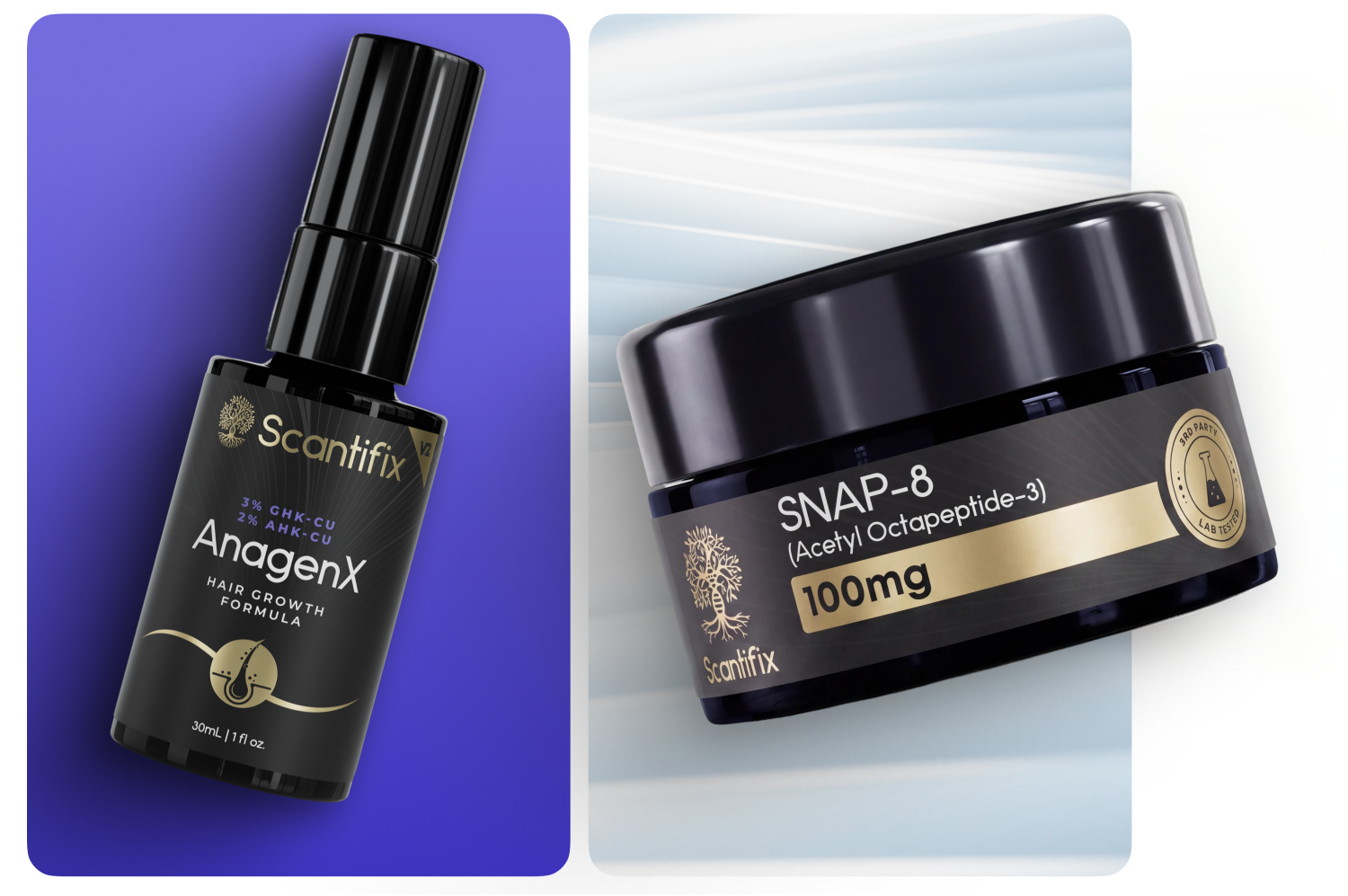
For those looking to support skin from the outside, targeted peptide formulations such as Agelixir, together with technologies like microneedling and red light therapy, help reinforce many of the biological processes involved in collagen maintenance, skin renewal, and barrier function.
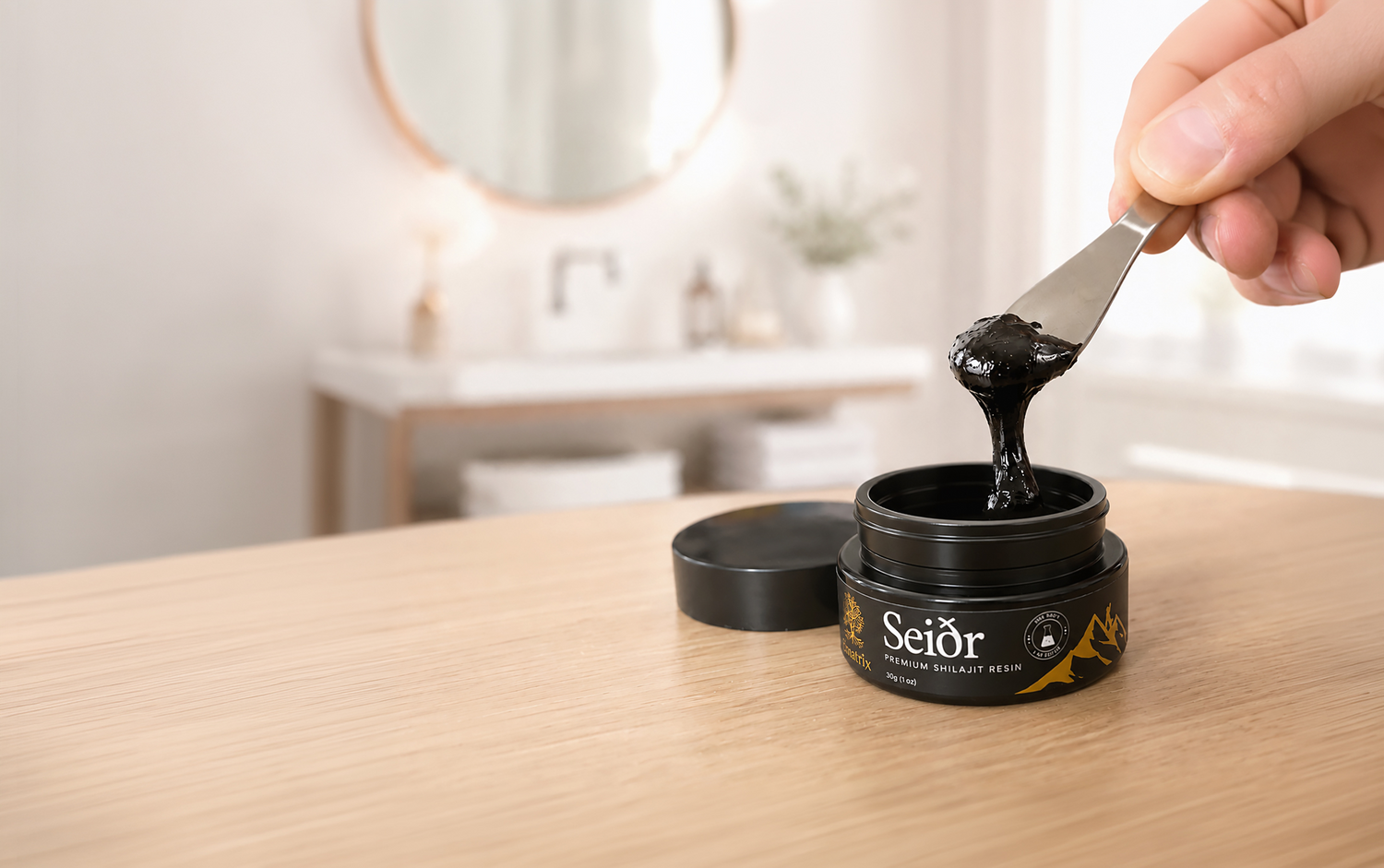
Supporting the body from within may also play a role. Seiðr, our premium Shilajit resin sourced from the pristine Altai Mountains, is third-party tested and naturally rich in fulvic acid, humic substances, antioxidants, amino acids, B vitamins, and more than 80 trace minerals. While Shilajit should not be viewed as a direct skincare treatment, these compounds are being studied for their ability to support cellular energy production, healthy inflammatory balance, and overall vitality, all of which contribute to the biological environment that healthy skin depends on.
Rather than focusing on a single ingredient, this inside-and-out approach recognizes that resilient skin is supported by multiple interconnected systems working together.
Final Thoughts
Healthy skin depends on far more than what is applied to its surface.
Processes such as cellular energy production, antioxidant defense, healthy inflammatory regulation, and nutrient availability all contribute to the skin's ability to repair and maintain itself over time.
Current research suggests that Shilajit may support several of these underlying biological systems, even though direct evidence for skin-specific benefits remains limited. Rather than viewing Shilajit as a standalone skincare solution, it is more accurate to see it as one part of a broader, science-informed approach to supporting healthy skin.
At Scantifix, we believe the strongest skincare strategies work with biology from multiple directions. Combining evidence-based topical care with ingredients that support overall skin health helps create the conditions for healthier, more resilient skin over time.
REFERENCES:
Agarwal, S. P. et al. (2007). Shilajit: A review. Phytotherapy Research, 21(5), 401–405. https://doi.org/10.1002/ptr.2100
Carrasco-Gallardo, C. et al. (2012). Shilajit: A natural phytocomplex with potential procognitive activity. International Journal of Alzheimer's Disease, 2012, 674142. https://doi.org/10.1155/2012/674142
Elias, P. M. (2005). Stratum corneum defensive functions: An integrated view. Journal of Investigative Dermatology, 125(2), 183–200. https://doi.org/10.1111/j.0022-202X.2005.23668.x
Ganceviciene, R. et al. (2012). Skin anti-aging strategies. Dermato-Endocrinology, 4(3), 308–319. https://doi.org/10.4161/derm.22804
Pullar, J. M., Carr, A. C., & Vissers, M. C. M. (2017). The roles of vitamin C in skin health. Nutrients, 9(8), 866. https://doi.org/10.3390/nu9080866
Rinnerthaler, M. et al. (2015). Oxidative stress in aging human skin. Biomolecules, 5(2), 545–589. https://doi.org/10.3390/biom5020545
Vierkötter, A., & Krutmann, J. (2012). Environmental influences on skin aging and ethnic-specific manifestations. Dermato-Endocrinology, 4(3), 227–231. https://pubmed.ncbi.nlm.nih.gov/23467702/


Leave a comment
All comments are moderated before being published.
This site is protected by hCaptcha and the hCaptcha Privacy Policy and Terms of Service apply.