


Many women expect hot flashes and irregular periods during perimenopause. What often comes as a surprise are the changes happening to their skin.
Skin may suddenly feel drier than usual, become unexpectedly itchy, or lose some of the firmness and elasticity it once had. Fine lines may appear more noticeable, and products that once worked perfectly may no longer seem as effective. These changes can feel frustrating, especially when they appear seemingly overnight.
The reality is that perimenopause represents a significant biological transition for the skin. As hormone levels fluctuate, several of the systems responsible for maintaining hydration, collagen, and barrier function begin to change as well.
Understanding what's happening beneath the surface can make it easier to support your skin through this stage of life and maintain comfort, resilience, and a healthy appearance.
What Happens to Skin During Perimenopause?
Perimenopause is the transitional period leading up to menopause, often beginning in a woman's 40s but sometimes earlier. During this time, estrogen levels fluctuate and gradually decline.
Estrogen plays an important role in skin health. Research shows that it helps regulate collagen production, skin thickness, hydration, circulation, and wound healing (Thornton, 2013; Verdier-Sévrain et al., 2006). As estrogen levels become less stable, several changes can occur simultaneously. These include:
- Reduced collagen production
- Lower natural hyaluronic acid levels
- Decreased oil production
- Slower skin repair
- Increased transepidermal water loss
- Greater skin sensitivity
While these changes occur gradually, they create the foundation for many of the skin concerns commonly experienced during perimenopause.
The Most Common Perimenopausal Skin Changes
Dryness and Dehydration
One of the earliest and most noticeable changes is dryness. As estrogen declines, the skin produces less oil and retains less moisture (Hall & Phillips, 2005). At the same time, natural levels of hyaluronic acid decrease, reducing the skin's ability to hold water (Verdier-Sévrain et al., 2006).
Many women notice that their skin feels tighter after cleansing, appears duller than usual, or requires richer moisturizers than it did previously. Even those who have always had combination or oily skin may find themselves dealing with persistent dryness during perimenopause.
Itchy Skin
Itchy skin is one of the most searched yet least discussed symptoms of perimenopause.
For many women, the itching appears without a visible rash and may affect the face, neck, scalp, arms, or torso. This often stems from changes occurring within the skin barrier itself.
As estrogen declines, the skin produces fewer lipids and natural moisturizing factors. The barrier becomes less effective at retaining moisture, allowing water to escape more easily (Hall & Phillips, 2005). As the skin dries out, nerve endings near the surface can become more easily stimulated, creating sensations of itching, tingling, or discomfort.
Low-grade inflammation and increased skin sensitivity may also contribute to these sensations, making skin feel more reactive than it did previously (Thornton, 2013).
Loss of Elasticity and Firmness
Another hallmark of perimenopausal skin is a gradual loss of elasticity.
Collagen production naturally slows with age, but declining estrogen accelerates this process. Research suggests that women can lose a significant percentage of their skin collagen during the years surrounding menopause (Brincat et al., 1987).
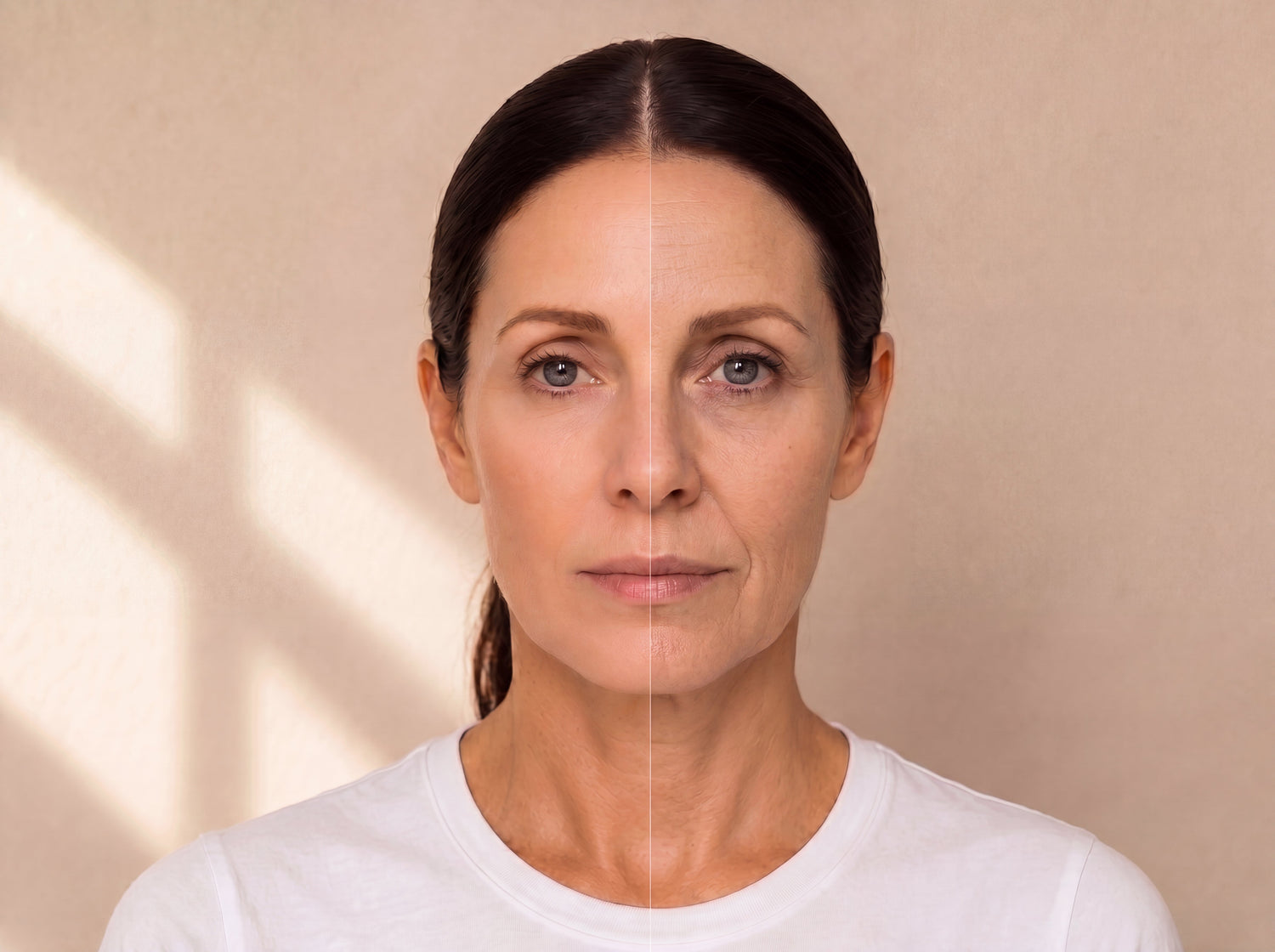
As collagen and elastin levels decrease, the skin's structural support weakens (Verdier-Sévrain et al., 2006). This may show up as fine lines that appear more prominent, reduced firmness around the cheeks and jawline, or skin that no longer feels as plump and resilient as it once did.
While these changes are a natural part of aging, supporting collagen production can help maintain healthier-looking skin throughout the transition.
Increased Sensitivity
A weakened skin barrier leaves the skin more vulnerable to environmental stressors and potentially irritating ingredients. Fragrances, strong acids, and aggressive exfoliants may become less well tolerated than they were before (Hall & Phillips, 2005; Thornton, 2013).
This is often a sign that the skin needs additional support rather than stronger treatments.
How to Support Changing Skin During Perimenopause
Strengthen the Skin Barrier
Because many perimenopausal skin concerns stem from barrier dysfunction, maintaining a healthy barrier should be the foundation of any skincare routine.
Focus on gentle cleansing, consistent hydration, and moisturizers that help reduce moisture loss. Avoid over-exfoliation, which can worsen dryness and sensitivity.
Protect Against UV Damage
Daily sun protection becomes even more important as collagen production slows. Broad-spectrum SPF helps prevent additional collagen breakdown and supports long-term skin health.
Support Collagen and Skin Repair
As natural collagen production declines, ingredients that support the skin's repair processes become increasingly valuable.
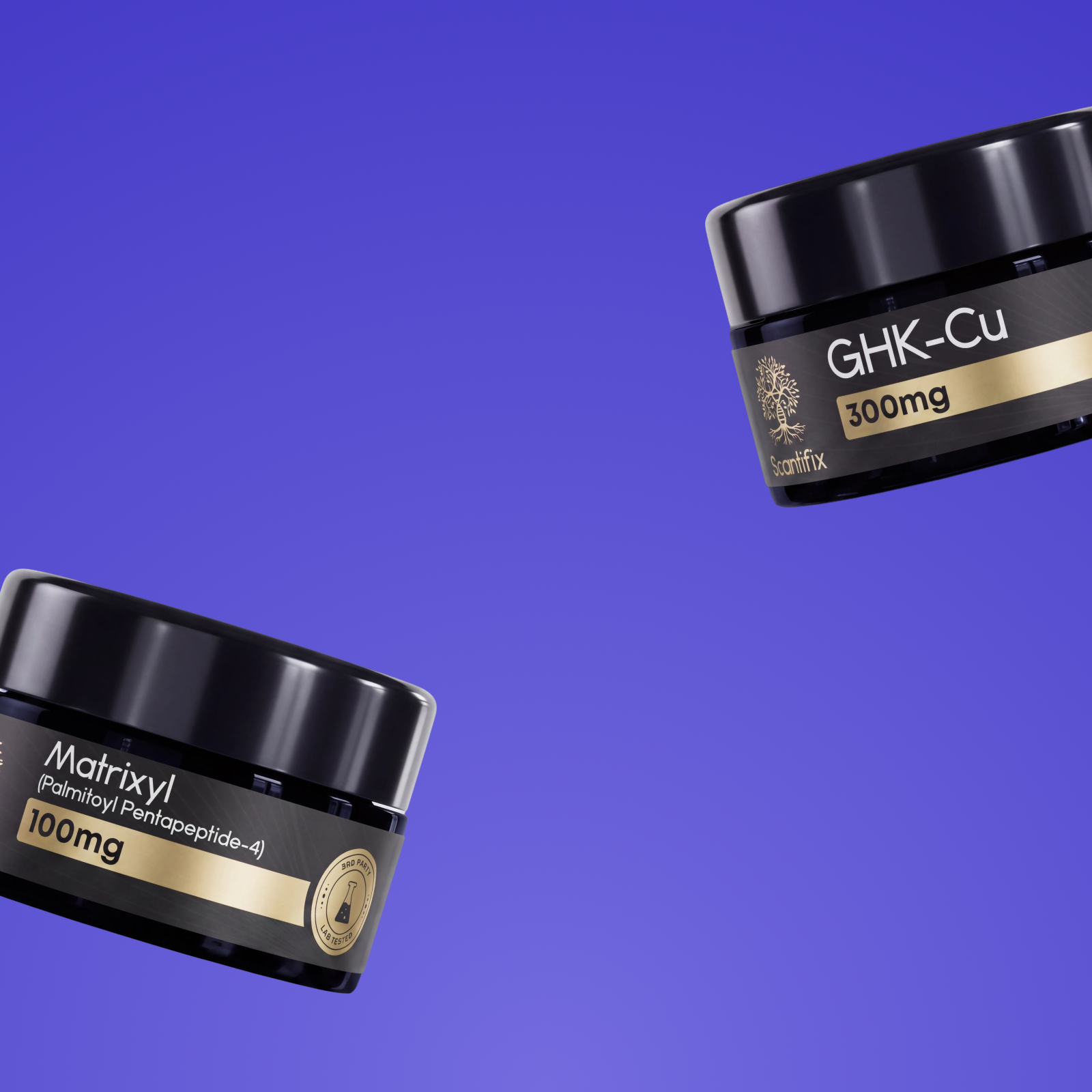
Peptides are particularly interesting because they work alongside the skin's natural biology. GHK-Cu supports tissue repair, collagen production, and healthy inflammatory regulation (Pickart & Margolina, 2018). Matrixyl helps signal collagen synthesis (Schagen, 2017), while Syn-Coll supports both collagen production and structural integrity (Ferreira et al., 2020).
Together, these peptides may help support some of the biological processes that become increasingly important during perimenopause.
Building a Comprehensive Approach
Skincare works best when multiple aspects of skin health are addressed together.
Microneedling can support collagen production and improve the absorption of topical peptides (Singh & Yadav, 2016). Red light therapy may help support cellular energy production, healthy inflammatory balance, and skin renewal (Kim et al., 2019).
For those looking for a more comprehensive approach, our Wrinkler Twinkler Bundle combines advanced peptide skincare with technologies designed to support collagen maintenance, skin renewal, and overall skin resilience. Rather than targeting a single concern, it supports several of the biological processes that commonly change during perimenopause.
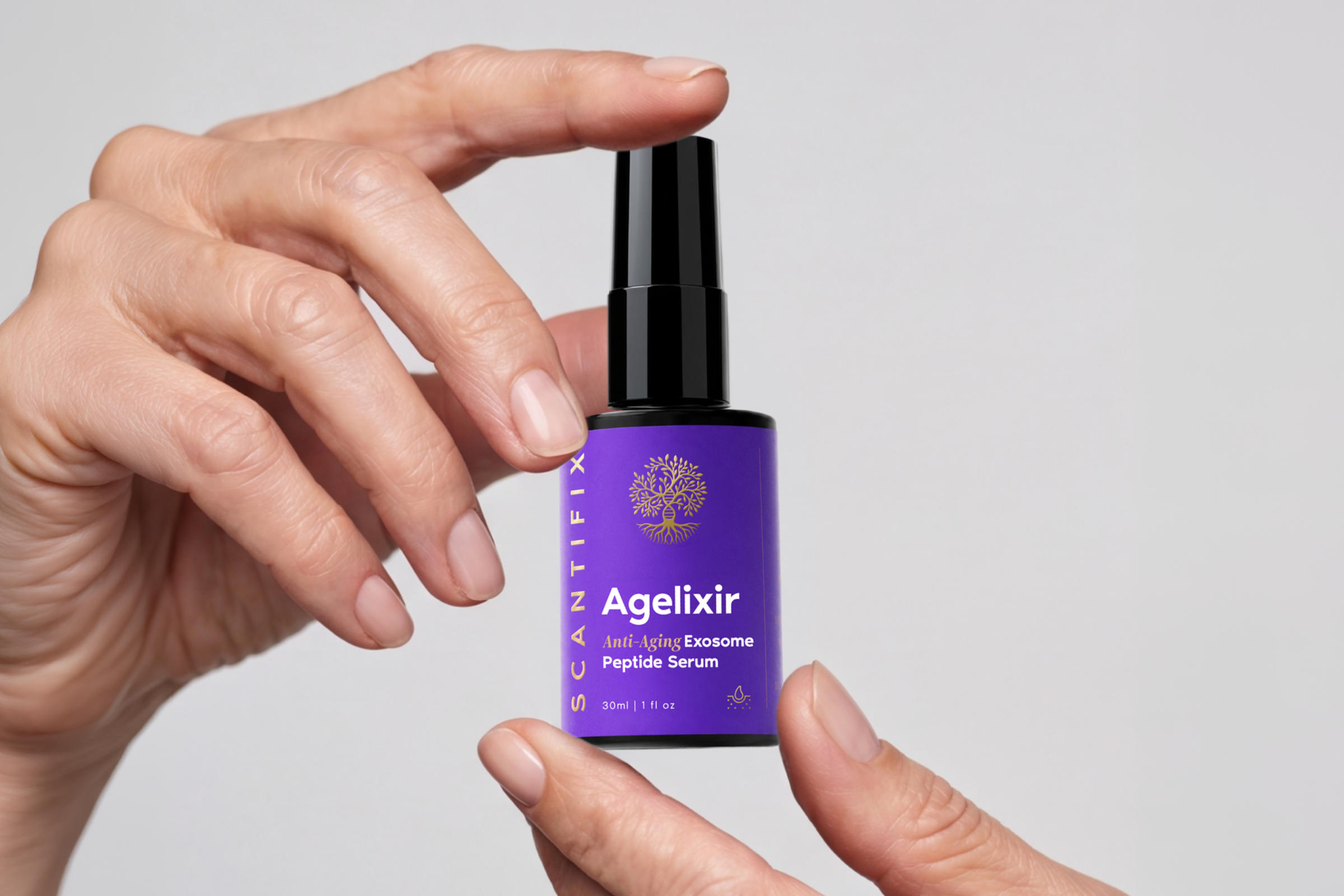
Another way to support changing skin during perimenopause is with Agelixir, our advanced multi-peptide serum designed to promote smoother, firmer, and more resilient-looking skin. Its formula combines a broad spectrum of biomimetic peptides, including GHK-Cu, SNAP-8, Argireline, Leuphasyl, Syn-Ake, and Tripeptide-29, alongside plant-derived exosome technology and multi-weight hyaluronic acid. By combining multiple age-supportive technologies in a single serum, it complements treatments like microneedling and red light therapy as part of a well-rounded skincare routine. In a 12-week clinical study, users experienced a 23% reduction in visible wrinkle count, highlighting its potential to support skin through the changes that commonly occur during perimenopause.
Final Thoughts
Dryness, itching, and loss of elasticity are among the most common skin changes experienced during perimenopause, but they are all connected to the same underlying biological shifts.
As hormone levels fluctuate, the skin's needs change too. Supporting barrier health, maintaining hydration, protecting collagen, and encouraging healthy skin repair can help the skin remain comfortable, resilient, and healthy throughout this transition.
At Scantifix, we believe skincare should work with biology, not against it. Through high-purity peptides, advanced skin technologies, and science-backed formulations, our goal is to help support your skin through every stage of its natural journey.
References:
Brincat, M., Moniz, C. F., Studd, J. W. W., Darby, A. J., Magos, A., Emburey, G., & Versi, E. (1985). Long-term effects of the menopause and sex hormones on skin thickness. British Journal of Obstetrics and Gynaecology, 92(3), 256–259. https://pubmed.ncbi.nlm.nih.gov/3978054/
Ferreira, M. S., Magalhães, M. C., Sousa-Lobo, J. M., & Almeida, I. F. (2020). Trending anti-aging peptides. Cosmetics, 7(4), 91. https://doi.org/10.3390/cosmetics7040091
Hall, G., & Phillips, T. J. (2005). Estrogen and skin: The effects of estrogen, menopause, and hormone replacement therapy on the skin. Journal of the American Academy of Dermatology, 53(4), 555–568. https://doi.org/10.1016/j.jaad.2004.08.039
Kim, B., Mukherjee, A., Seo, S., Ali, F., Southall, M., & Parsa, R. (2019). Low-level red and infrared light increases expression of collagen, elastin, and hyaluronic acid in skin. Journal of the American Academy of Dermatology, 81(4), AB434. https://doi.org/10.1016/j.jaad.2019.10.089
Pickart, L., & Margolina, A. (2018). Regenerative and protective actions of the GHK-Cu peptide in the light of the new gene data. International Journal of Molecular Sciences, 19(7), 1987. https://doi.org/10.3390/ijms19071987
Schagen, S. K. (2017). Topical peptide treatments with effective anti-aging results. Cosmetics, 4(2), 16. https://doi.org/10.3390/cosmetics4020016
Singh, A., & Yadav, S. (2016). Microneedling: Advances and widening horizons. Indian Dermatology Online Journal, 7(4), 244–254. https://doi.org/10.4103/2229-5178.185468
Thornton, M. J. (2013). Estrogens and aging skin. Dermato-Endocrinology, 5(2), 264–270. https://doi.org/10.4161/derm.23872
Verdier-Sévrain, S., Bonté, F., & Gilchrest, B. (2006). Biology of estrogens in skin: implications for skin aging. Experimental Dermatology, 15(2), 83–94. https://pubmed.ncbi.nlm.nih.gov/16433679/

Leave a comment
All comments are moderated before being published.
This site is protected by hCaptcha and the hCaptcha Privacy Policy and Terms of Service apply.