


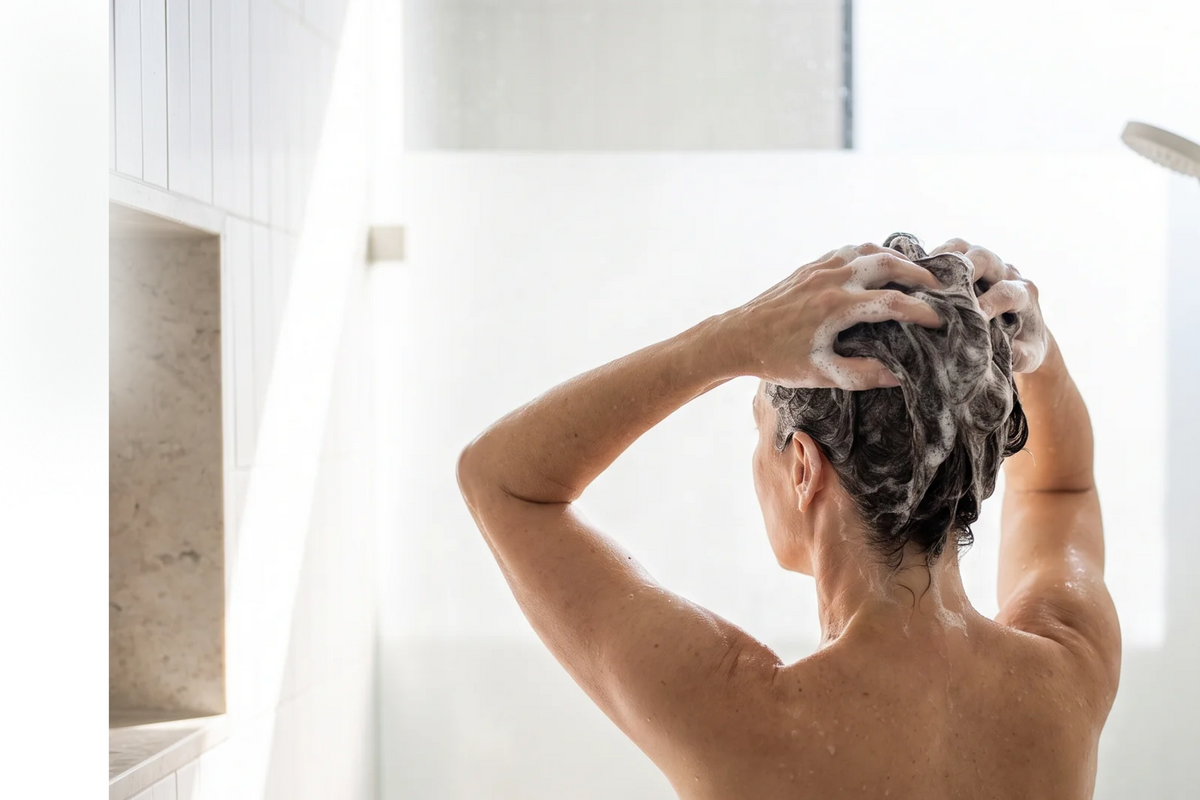
Many people notice changes in their hair after moving to a new home or traveling to an area with hard water. Hair may feel rougher, become more difficult to style, or seem to shed more than usual. It's no surprise that one of the most common questions people ask is: can hard water cause hair loss?
The answer is more complex than it first appears. While hard water can influence both the hair and the scalp, understanding what it's actually affecting, and what it isn't, requires looking a little closer at the biology.
In this article, we'll explore how hard water interacts with the hair and scalp, why hair breakage is often confused with hair loss, and what current research says about protecting long-term hair health.
What Is Hard Water
Hard water contains elevated levels of dissolved minerals, primarily calcium and magnesium, that are picked up as water passes through limestone and other mineral-rich rock formations.
These minerals are harmless to drink, but they interact differently with soaps and shampoos than soft water does. They can reduce lather, make cleansing less efficient, and leave behind mineral deposits on both the scalp and hair (Srinivasan et al., 2013).
Over time, these deposits may affect the way hair looks and feels, even though the water itself is not damaging the follicle beneath the skin.
How Hard Water Affects the Hair Shaft
Hair is protected by an outer layer known as the cuticle, made up of overlapping cells that help keep the strand smooth and flexible.
Mineral deposits from hard water can accumulate on the surface of the hair, making the cuticle feel rougher and less uniform (Srinivasan et al., 2013). This increases friction between strands, leaving hair more prone to tangling and mechanical damage during brushing, styling, or washing.
As a result, hair may appear:
- Drier and less shiny
- More brittle
- More difficult to manage
- More likely to break
Importantly, this is hair breakage, not hair loss. When strands snap along their length, the hair can appear thinner even though the follicles remain healthy and continue producing new hair (Robbins, 2012).
Can Hard Water Cause Hair Loss
Current scientific evidence does not support the idea that hard water directly causes hair loss by damaging hair follicles or altering the hair growth cycle (Srinivasan et al., 2013).
Hair follicles sit several millimeters beneath the surface of the skin, where they are regulated by genetics, hormones, blood supply, and complex cellular signaling. Minerals dissolved in shower water do not penetrate deeply enough to directly affect these structures.
That said, hard water may indirectly influence the appearance and condition of the hair. Increased breakage, mineral buildup, and changes to the scalp environment can make hair seem thinner or less healthy, particularly in individuals already experiencing androgenetic alopecia or other forms of hair thinning.
In other words, hard water is unlikely to be the root cause of hair loss, but it may become one of several factors that affect overall scalp and hair health.
The Connection Between Hard Water and Scalp Health
Healthy hair begins with a healthy scalp.
Just as fertile soil supports stronger plants, hair follicles function best when surrounded by resilient, well-balanced skin. The scalp barrier helps regulate moisture, supports beneficial microorganisms, and protects follicles from environmental stress (Elias, 2008).
Mineral buildup from hard water may interfere with this balance. Residues left behind after washing can combine with styling products and excess sebum, making the scalp feel coated or irritated. Some people experience dryness, itching, or increased sensitivity, particularly when harsh shampoos are used repeatedly to remove buildup (Srinivasan et al., 2013).
Although these changes may not directly damage follicles, they can create a less supportive environment for normal hair function.
Why Scalp Health Matters for Hair Growth
For many years, hair research focused almost exclusively on the follicle itself. More recently, scientists have begun recognizing that the surrounding scalp environment plays an equally important role.
A healthy scalp barrier helps maintain hydration, supports tissue repair, and protects follicles from unnecessary inflammatory stress (Elias, 2008; Trüeb, 2015). When the barrier becomes compromised through excessive dryness, irritation, or repeated stripping of natural oils, the scalp may become more reactive and less resilient.
This is why many modern approaches to hair care focus on supporting the scalp ecosystem rather than simply targeting individual hairs. Maintaining a balanced environment helps create the conditions in which follicles can function at their best.
Supporting Hair and Scalp in Hard Water Areas
If you live in an area with hard water, the goal is not to eliminate every trace of mineral exposure but to minimize its effects on the scalp and hair.
Using a clarifying shampoo occasionally can help remove accumulated mineral deposits, while a gentle daily cleanser helps maintain cleanliness without excessively disrupting the scalp barrier (Srinivasan et al., 2013).
Hydration is equally important. Supporting the scalp's natural barrier with appropriate topical care helps reduce dryness and irritation that may develop over time.
Most importantly, avoid overcorrecting. Frequent washing with harsh products in an attempt to remove oil and buildup can strip away protective lipids, leaving the scalp more vulnerable than the hard water itself (Elias, 2008).
How Peptides May Support Scalp Health
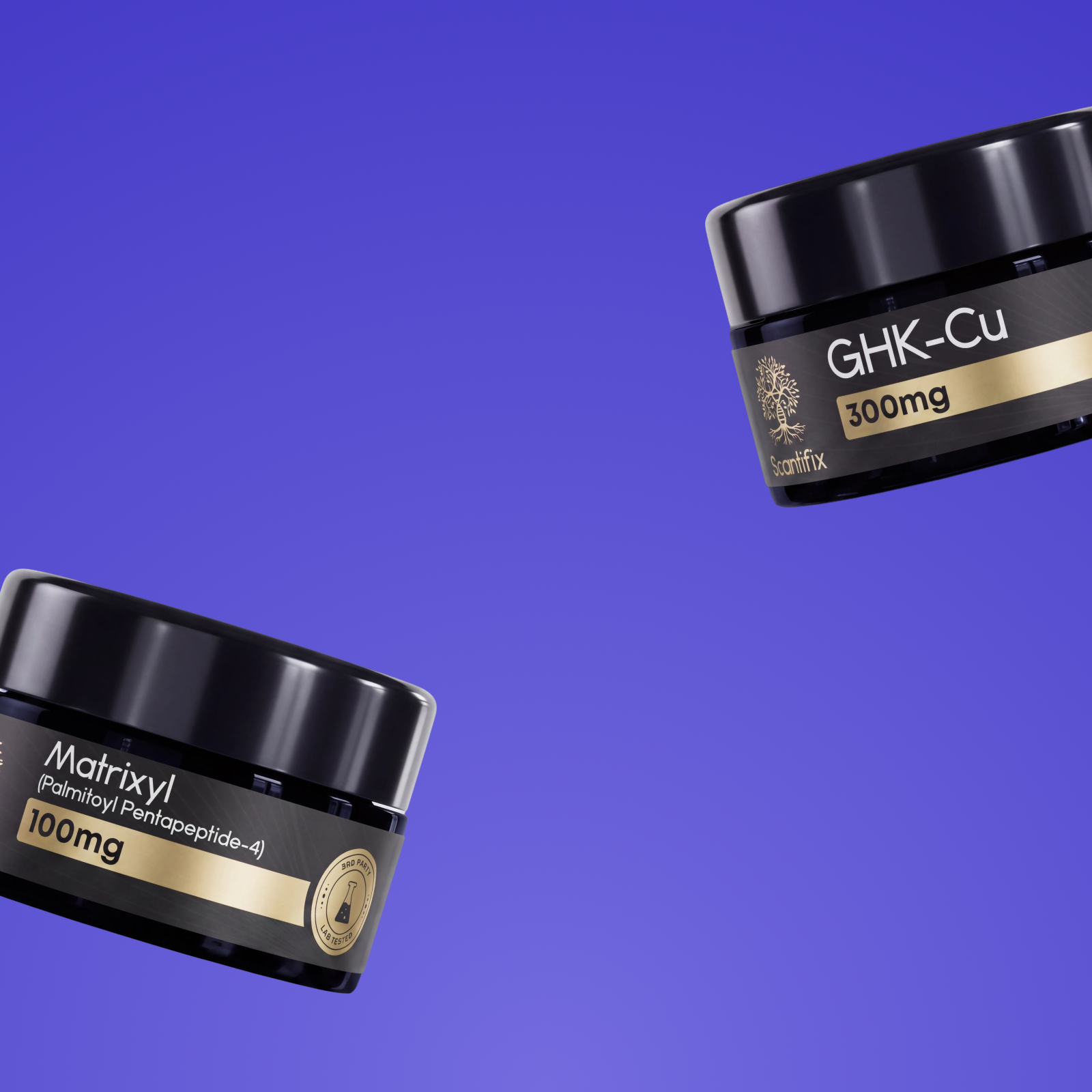
GHK-Cu has been widely studied for its role in extracellular matrix support and tissue remodeling. By encouraging the scalp's natural repair processes, it may help maintain a healthier environment surrounding hair follicles (Pickart & Margolina, 2018).
Zinc Thymulin has attracted attention for its potential role in immune signaling and follicle cycling. Rather than targeting hair growth directly, it appears to support biological pathways involved in maintaining normal follicle activity and scalp balance.
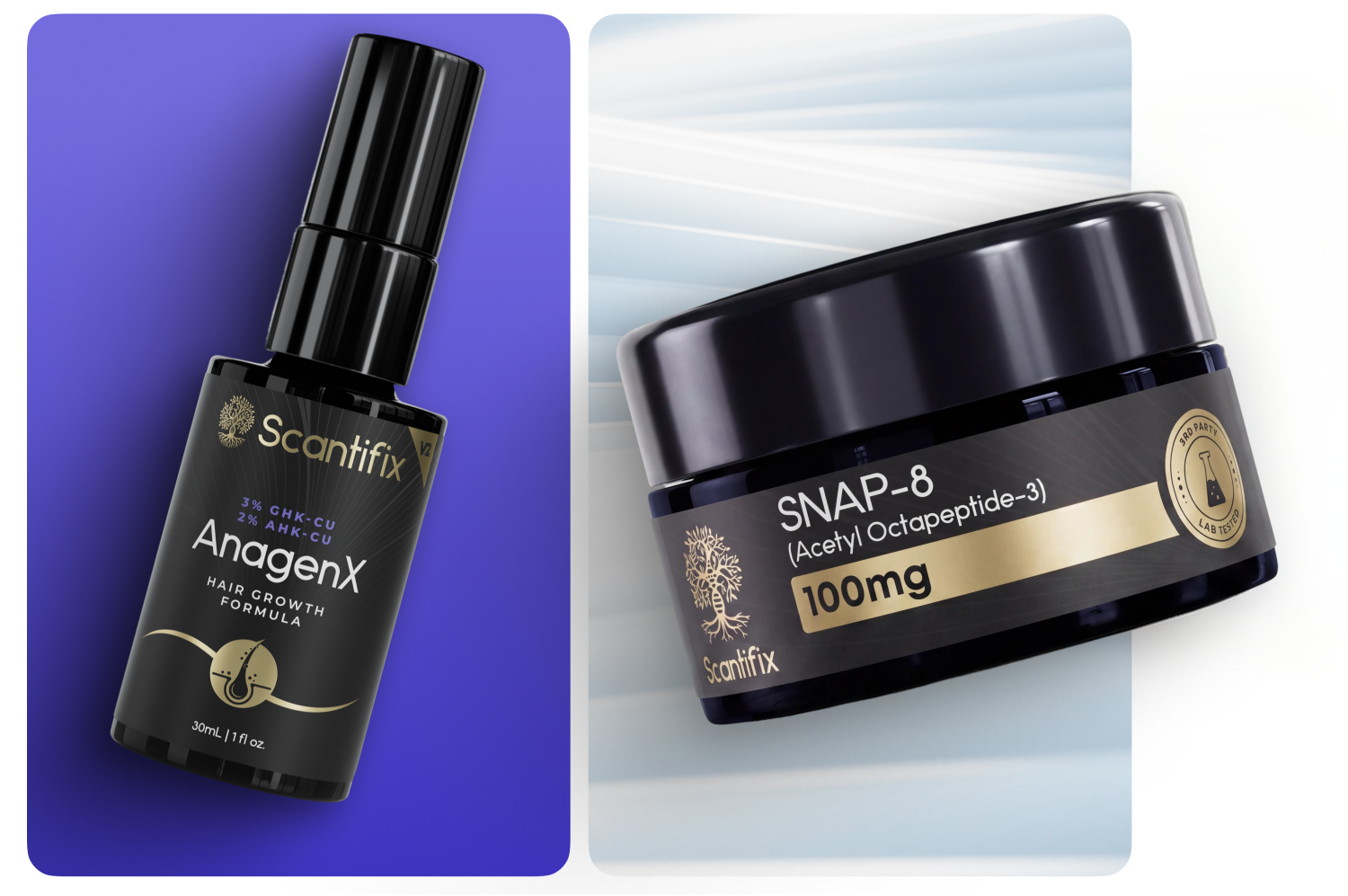
AnagenX combines multiple peptides, including GHK-Cu, AHK-Cu, GHK-Biotin, and BPC-157, to support complementary aspects of scalp biology. Together, these ingredients aim to encourage tissue repair, maintain structural integrity, and promote a healthier environment around the follicle (Pickart & Margolina, 2018; Schagen, 2017).
Rather than attempting to override the scalp's natural biology, peptide-based approaches work by supporting the signaling pathways that already regulate repair and maintenance.
A Science-Backed Approach to Scalp Health
Because scalp health depends on multiple interconnected systems, supporting it often requires more than addressing a single concern.
At Scantifix, our philosophy is built around supporting the biology of the scalp rather than simply masking symptoms. AnagenX delivers a research-informed blend of peptides that support tissue remodeling and follicle biology, while Scalp Fertilizer helps maintain barrier integrity and a balanced scalp environment through targeted hydration and supportive care.
Together, these products complement good cleansing habits by helping create healthier conditions for both the scalp and the follicles it supports.
Final Thoughts
Hard water is unlikely to be the direct cause of hair loss, but it can influence the condition of both the hair shaft and the scalp. Mineral buildup, increased breakage, dryness, and irritation may all contribute to hair that appears thinner or feels less healthy over time.
Understanding this distinction allows for a more balanced approach. Rather than focusing solely on removing minerals, supporting the scalp barrier, maintaining healthy sebum balance, and encouraging natural repair processes may be just as important for long-term hair health.
At Scantifix, we believe healthy hair starts with healthy scalp biology. By supporting the environment in which hair follicles function, it's possible to care for your hair in a way that is grounded in science and designed for lasting resilience.
REFERENCES
Elias, P. M. (2008). Skin barrier function. Current Allergy and Asthma Reports, 8(4), 299–305. https://pmc.ncbi.nlm.nih.gov/articles/PMC2843412/
Pickart, L., & Margolina, A. (2018). Regenerative and protective actions of the GHK-Cu peptide in the light of the new gene data. International Journal of Molecular Sciences, 19(7), 1987. https://doi.org/10.3390/ijms19071987
Robbins, C. R. (2012). Chemical and Physical Behavior of Human Hair (5th ed.). Springer. https://link.springer.com/book/10.1007/978-3-642-25611-0
Schagen, S. K. (2017). Topical peptide treatments with effective anti-aging results. Cosmetics, 4(2), 16. https://doi.org/10.3390/cosmetics4020016
Srinivasan et al. (2013). Effect of hard water on hair. International Journal of Trichology, 5(4), 204–207. https://pmc.ncbi.nlm.nih.gov/articles/PMC3927171/
Trüeb, R. M. (2015). The impact of oxidative stress on hair. International Journal of Cosmetic Science, 37(S2), 25–30. https://pubmed.ncbi.nlm.nih.gov/26574302/

Leave a comment
All comments are moderated before being published.
This site is protected by hCaptcha and the hCaptcha Privacy Policy and Terms of Service apply.