


As skin ages, its structure gradually loses cohesion. The once-tight bond between the surface and deeper layers begins to loosen, leading to fine lines, slackness, and uneven tone. One of the main reasons is a weakening of the dermo-epidermal junction (DEJ), the structural meeting point where the outer epidermis connects with the supportive dermis below.
Modern peptide science now makes it possible to target this foundational layer directly. Syn-Tacks helps rebuild the proteins that hold these layers together. By reinforcing the DEJ and stimulating structural renewal, it supports visibly firmer, smoother, and more resilient skin.
This guide explores how Syn‑Tacks works at the molecular level to reinforce the skin’s structural junctions, the benefits it offers for firmness and elasticity, and how to select and use products that make the most of its restorative potential.
What Is Syn-Tacks?
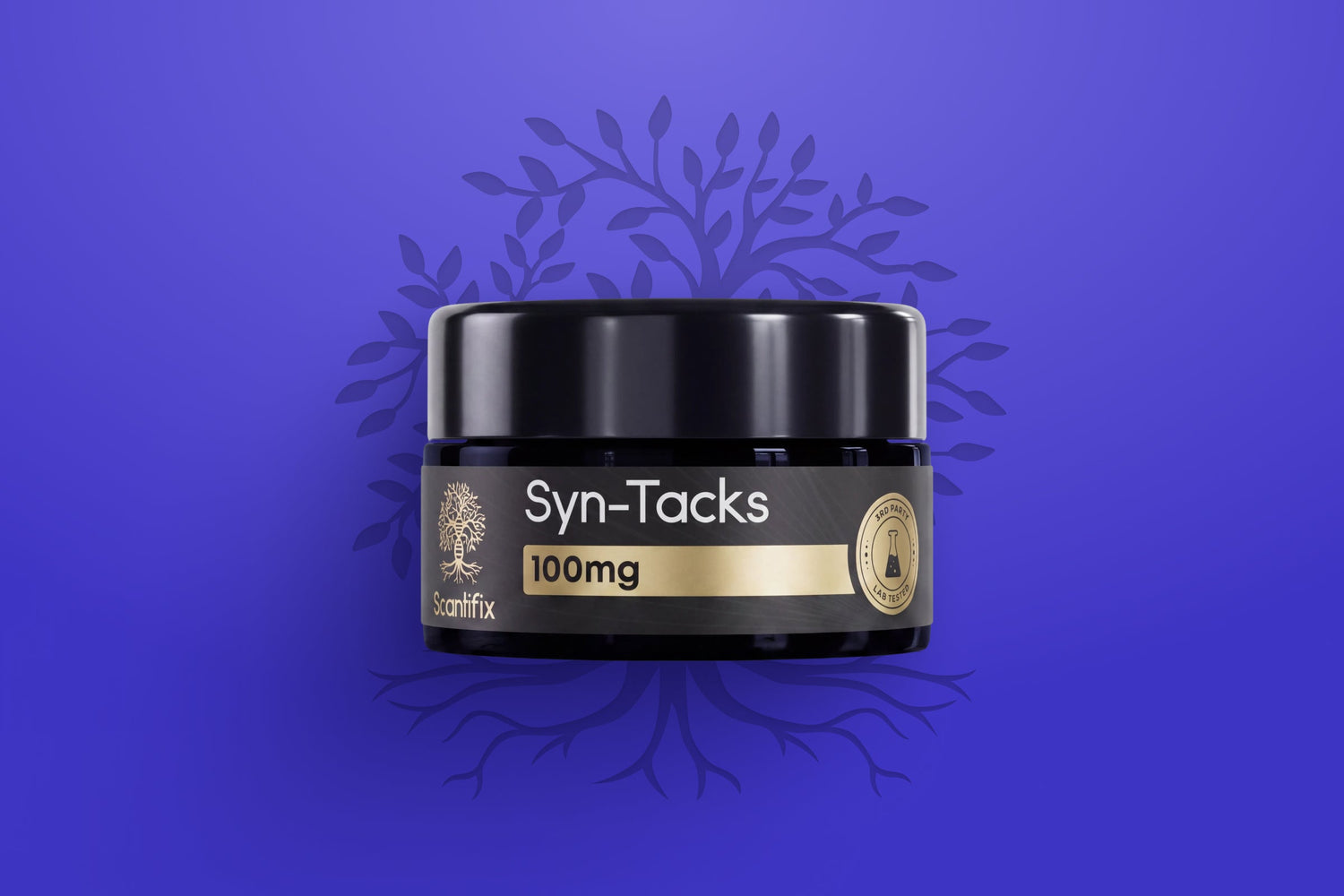
Syn-Tacks is an advanced dual-peptide complex that combines two bioactive short-chain peptides:
-
- Palmitoyl Dipeptide-5 Diaminobutyroyl Hydroxythreonine
- Palmitoyl Dipeptide-6 Diaminohydroxybutyrate
These synthetically engineered molecules are designed to mimic the skin’s natural communication signals that tell cells to produce structural proteins such as collagen, laminin, and fibronectin. Both peptides are linked to palmitic acid, a fatty acid that improves penetration through the skin’s lipid barrier, helping those active ingredients reach the deeper layers of skin where they can actually get to work.
Unlike single peptides that focus on one pathway, Syn-Tacks targets multiple structural processes at once, working simultaneously to firm, smooth, and stabilize the skin’s architecture. It is this multi-functional mechanism that makes it a unique and effective peptide for anti-aging and barrier support.
How Syn-Tacks Works in the Skin
To understand Syn-Tacks’ mechanism, it helps to look at what happens within the dermo-epidermal junction (DEJ). The DEJ functions like an anchoring scaffold that keeps the skin layers connected. It contains a complex network of collagen IV and VII, laminin V, fibronectin, and integrins—proteins that secure the upper and lower layers together and transmit biochemical signals essential for cell renewal.
With age, production of these proteins slows, and the DEJ begins to flatten and weaken. This loss of structural integrity contributes to sagging, fine lines, and rough texture.
Syn-Tacks helps reverse this process by stimulating fibroblasts and keratinocytes (the main skin cells within the dermis and epidermis) to increase the synthesis of these key proteins:
-
- Collagen IV and VII – form the fibrillar network that supports elasticity and firmness.
- Laminin V – strengthens the junction’s anchoring filaments and improves cohesion between layers.
- Fibronectin – supports wound repair, tissue remodeling, and smooth texture.
- Integrins – cellular “anchors” that enhance adhesion and communication between cells.
Together, these actions help rebuild the skin’s foundational structure, leading to greater firmness, improved elasticity, and a more even, refined appearance. Laboratory testing showed that Syn-Tacks increased the expression of all key DEJ proteins, from 60-190% increase depending on the protein, demonstrating its ability to support biological repair at the molecular level (DSM Nutritional Products, 2020).
Benefits of Syn-Tacks in Skincare
Because Syn-Tacks acts on the deeper architecture of the skin, its benefits go beyond surface improvement. Consistent use can help restore the strength and density that naturally decline with age.
Firms and Tightens Skin
By stimulating Collagen IV and VII, Syn-Tacks improves tensile strength and elasticity, giving skin a firmer, more lifted appearance.
Reduces Wrinkles and Fine Lines
Reinforcing the DEJ smooths transitions between skin layers, helping soften creases caused by structural collapse.
Improves Skin Tone and Radiance
Better cellular communication supports balanced renewal and even pigmentation for a brighter, more uniform tone.
Enhances Hydration and Plumpness
When combined with humectant bases like hyaluronic acid, Syn-Tacks increases moisture retention for supple, dewy skin.
Supports Barrier Function
Strengthening integrin and laminin networks helps improve cell adhesion, contributing to a more resilient barrier against environmental stressors.
In clinical evaluations, volunteers using a Syn-Tacks formulation at 1% concentration for 8 weeks experienced measurable improvements in skin tonicity (+31%), firmness (+17%), and suppleness (+35%), with visible reduction in wrinkle depth (DSM Nutritional Products, 2020). These results indicate deep structural renewal for skin that looks and behaves more youthful.
How Syn-Tacks Compares to Other Collagen-Supporting Peptides
Many peptides share the common goal of reinforcing the skin’s structure, but each one communicates through different molecular pathways. Understanding these distinctions helps clarify where Syn-Tacks fits in with other collagen-supporting peptides.
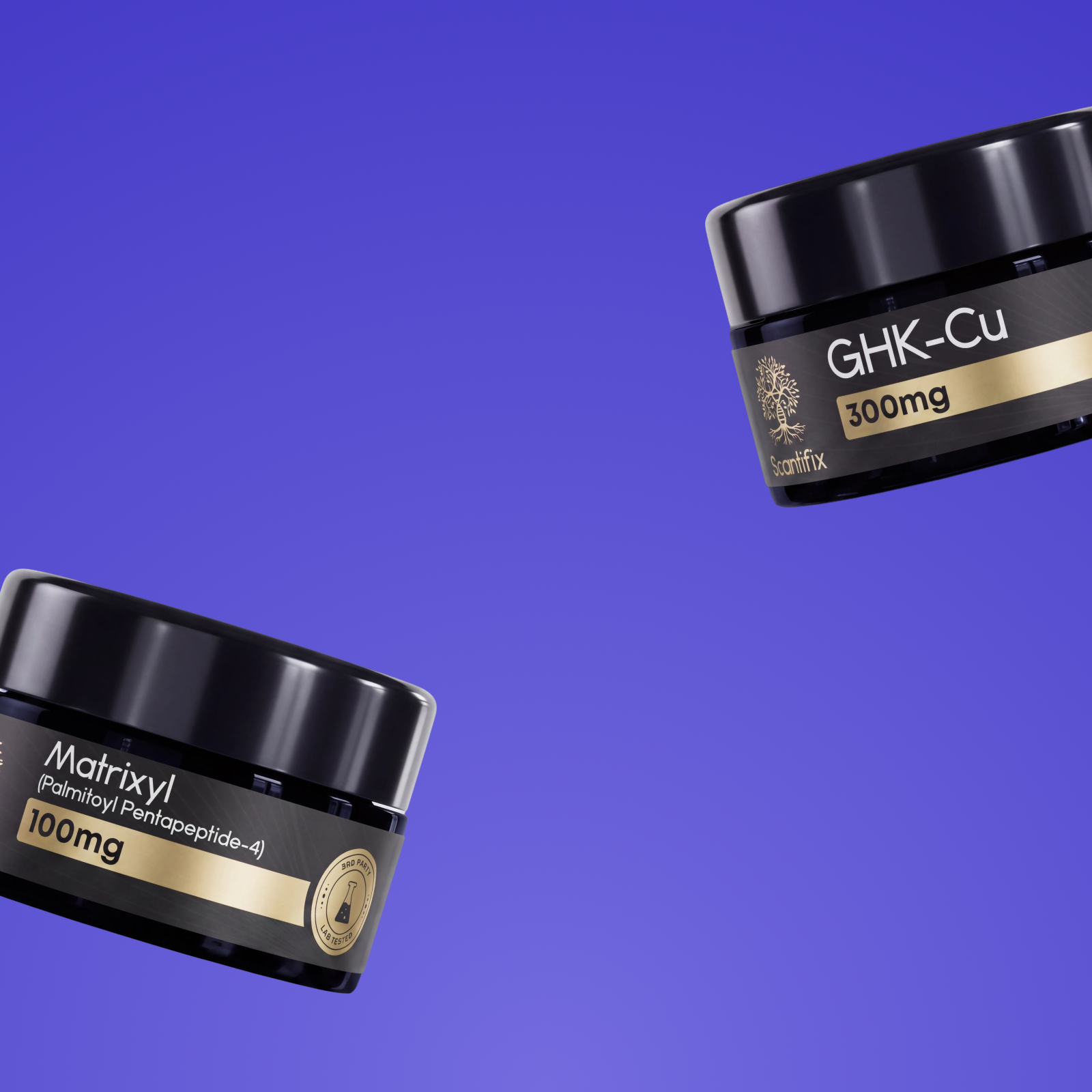
Compared to Matrixyl (Palmitoyl Pentapeptide-4):
Matrixyl primarily signals fibroblasts to produce collagen I and III, the most abundant structural proteins in the dermis (Schagen, 2017). Syn-Tacks acts deeper, on the DEJ, by boosting collagen IV and VII, laminin, and fibronectin. Where Matrixyl builds the internal scaffolding, Syn-Tacks strengthens the bond that connects that scaffolding to the skin’s surface.
Compared to Syn-Coll (Palmitoyl Tripeptide-5):
Syn-Coll stimulates collagen synthesis via the TGF-β receptor pathway and also inhibits enzymes that degrade existing collagen (Ferreira et al., 2020). Syn-Tacks complements this by enhancing the anchoring proteins that secure collagen networks in place. Using both can provide synergistic benefits for comprehensive structural renewal.
Compared to GHK-Cu:
GHK-Cu is a copper-bound tripeptide known for wound healing and regenerative properties (Pickart & Margolina, 2018). While GHK-Cu promotes general tissue repair and reduces inflammation, Syn-Tacks focuses specifically on strengthening the foundational structure responsible for visible firmness. In combination, they offer layered support—GHK-Cu restores, Syn-Tacks reinforces.
Syn-Tacks in Skincare Products
Syn-Tacks is a versatile peptide and can be found in ready-to-use anti-aging serums and creams on the market. However, those who prefer to have full control over their skincare can purchase pure, raw Syn-Tacks for custom formulations.
DIY serums made from raw peptides ensure maximum purity and flexibility. You know exactly what’s in your formula and can tailor it to your skin’s needs without added fillers, preservatives, or fragrances. You’re also guaranteed that your peptides are fresh, not pre-mixed into a solution that may have been sitting on a shelf for months and lost its potency over time.
For those creating their own serums, Syn-Tacks is typically used at a 2–5% concentration in a hydrating carrier such as hyaluronic acid. The process is simple: sanitize your workspace, pour HA or your chosen base directly into the peptide jar, and allow it to dissolve. Because Syn-Tacks has a slightly denser molecular structure, it may take longer to disperse evenly. If so, use a handheld milk frother for a little bit of mechanical help to create a smooth, uniform serum.
Once mixed, store your finished serum in the refrigerator to maintain potency and freshness. When handled cleanly and kept cold, your Syn-Tacks serum will remain stable for several months. Apply to clean, slightly damp skin twice daily before moisturizer or SPF for best results.
Need more guidance? Explore our raw peptide reconstitution guide or watch our reconstitution videos for a visual step-by-step on creating high-purity topical peptides serums at home.
What to Look for in High-Quality Syn-Tacks Products
Not all peptide products are created equally. Because peptides are sensitive to environmental factors, their purity, formulation, and packaging determine how well they perform. When choosing a Syn-Tacks product, consider the following:
-
-
Purity and Testing
Ensure the peptide is third-party tested and verified to be at least 98% pure. Certificates of Analysis (COAs) should confirm both identity and concentration. -
Clean Formulation
Avoid unnecessary additives, fragrances, and alcohols that can compromise peptide stability or irritate sensitive skin. A minimal ingredient list indicates higher quality. -
Protective Packaging
Light and heat degrade peptides over time. Look for violet or amber glass containers (like Miron Violetglass) that block harmful wavelengths and preserve potency. -
Transparent Sourcing
Trustworthy brands provide full ingredient traceability and disclose where and how their peptides are produced.
-
Purity and Testing
At Scantifix, we meet each of these standards. Every batch of our Syn-Tacks is independently tested, filler-free, and produced to the highest standards of quality and transparency. Our raw peptides allow for full customization so you can create serums precisely tailored to your skin’s needs with complete confidence in what touches your skin.
Final Thoughts: Rebuilding the Foundation of Healthy Skin
Syn-Tacks helps the skin regain its natural strength and resilience by restoring the proteins that hold its layers together. The result is smoother, firmer, more balanced skin that reflects genuine repair, not just temporary surface change. It’s a clear example of how modern peptide science works with the body to rebuild what time has weakened, supporting visible, long-term skin health.
Explore Syn-Tacks and other high-purity peptides from Scantifix to create clean, customized formulas that support real structural renewal.

References
DSM Nutritional Products. (2020). SYN®-TACKS: Boosting beauty through the dermal-epidermal junction [Brochure]. DSM. https://www.dsm.com/content/dam/protected/personal-care/en_US/peptides/peptides_distributor/syn-tacks_brochure_2020.pdf
Ferreira, M. S., Magalhães, M. C., & Sousa-Lobo, J. M. (2020). Trending anti-aging peptides. MDPI. https://www.mdpi.com/2079-9284/7/4/91
Pickart, L., & Margolina, A. (2018). Regenerative and protective actions of the GHK-Cu peptide in the light of the new gene data. International Journal of Molecular Sciences, 19(7), 1987. https://www.mdpi.com/1422-0067/19/7/1987
Schagen, S. K. (2017). Topical peptide treatments with effective anti-aging results. Cosmetics, 4(2), 16. https://www.mdpi.com/2079-9284/4/2/16

Leave a comment
All comments are moderated before being published.
This site is protected by hCaptcha and the hCaptcha Privacy Policy and Terms of Service apply.