


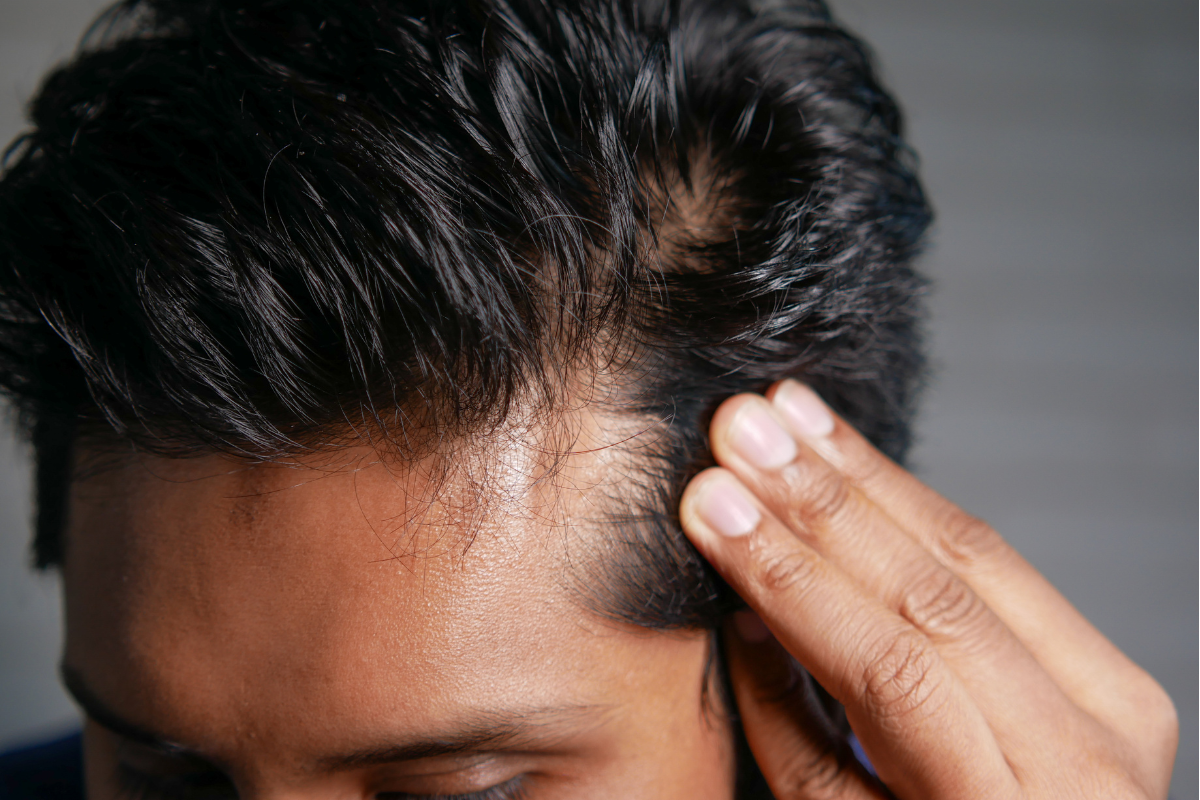
Hair thinning rarely begins with dramatic shedding or sudden bald spots. For most people, it starts quietly. Hair feels different. Growth seems slower. A part looks slightly wider in certain light. These subtle changes can be early indicators of shifts in follicle behavior.
You might wonder how to tell if your hair is thinning long before anything looks obviously wrong. The early signs aren't always obvious, which can make this phase confusing. This article explains how hair thinning develops and what those first signs look like, so you can recognize them and make informed choices about how to care for your hair.
Hair Thinning Develops Gradually
Hair thinning is a process that unfolds over time as hair follicles change how they behave. Each follicle cycles through periods of growth, rest, and shedding. When those cycles begin to shift, the effects take time to become visible.
Early changes often involve a shorter growth phase or a reduction in the thickness of each hair fiber. Hair may still be growing, but it grows more slowly, becomes finer, or spends less time actively growing. Because overall hair density depends on many follicles working together, these small changes accumulate quietly. By the time hair loss becomes visually obvious, follicles have usually been changing for quite some time.
Early Changes in Hair Growth and Shedding
Changes in hair growth are often among the earliest signs, but they're subtle enough that many people don't register them as meaningful. Hair may stall at a certain length or take longer to grow back after a cut. Growth can feel uneven, with some areas responding normally and others lagging behind.
Shedding patterns can also shift. Rather than losing more hair overall, shedding may just feel different. Some people notice more short hairs in the sink or on their brush—hairs that exited the growth phase earlier than expected. Others notice shedding that feels more frequent but less dramatic, without the large clumps often associated with acute hair loss.
These changes are easy to overlook because they don't always involve an increase in total shedding. What's changing is when and how consistently individual follicles move through their growth cycles.
Texture and Diameter Changes
Hair might also start to feel different. It may feel finer, softer, or less resilient even though the total number of hairs seems unchanged. Volume decreases gradually, making hair feel limp or less full, and styles that once worked well may start to fall flat.
Breakage can also become more noticeable as hair becomes finer. Thinner fibers are more vulnerable to mechanical stress and break more easily. That said, breakage is also commonly caused by heat styling, chemical treatments, and other forms of damage, so it's not always a sign of thinning on its own.
When hair consistently feels finer or less full, it can be one of the earlier indicators that thinning is beginning.
Subtle Density Shifts and Part Line Changes
While more obvious thinning takes time to develop, subtle visual changes can appear relatively early. Your part might look slightly wider over time. Scalp coverage may appear reduced at the crown or temples. Some people notice that ponytails or buns feel smaller, even if shedding hasn't increased noticeably.
These changes are often easiest to see under bright or overhead lighting, which increases the contrast between hair and scalp. Styling choices also influence how visible density changes appear from day to day. These factors don't negate what you're noticing, but they can affect how pronounced those changes look in different settings.
Changes in the Scalp Environment
Early signs of thinning go beyond the strands themselves. The scalp environment often changes alongside shifts in follicle behavior. Some people notice increased sensitivity, tightness, or tenderness. Others experience changes in oil production or dryness that differ from their usual baseline.
These scalp changes can reflect shifts in circulation, inflammation, or barrier function, which are factors that influence the environment follicles rely on for healthy growth.
Why These Early Signs Often Go Unnoticed
Early signs of hair thinning are easy to overlook because they develop gradually and overlap with everyday factors. Stress, poor sleep, seasonal shedding, and styling habits can all affect how hair looks and feels, making it hard to know what's meaningful.
Many people also associate hair loss primarily with shedding. When shedding doesn't increase dramatically, changes in growth speed, texture, or density are often dismissed as temporary or cosmetic.
What you're noticing—changes in growth, texture, or how your scalp feels—can be early signs of shifts in follicle signaling and hair cycle timing. Growth phases might shorten before you notice any changes in density. The scalp environment can become less supportive over time, even while hair continues to grow.
Understanding these patterns helps you recognize the subtle, often ambiguous nature of early hair thinning, so you can respond thoughtfully.
Supporting Scalp and Follicle Health Early
Once you become aware of early changes in your hair, you can focus on supporting scalp and follicle health before thinning becomes more obvious. Many people start by addressing foundational factors like stress management, sleep quality, and nutrition, all of which influence hair cycling.
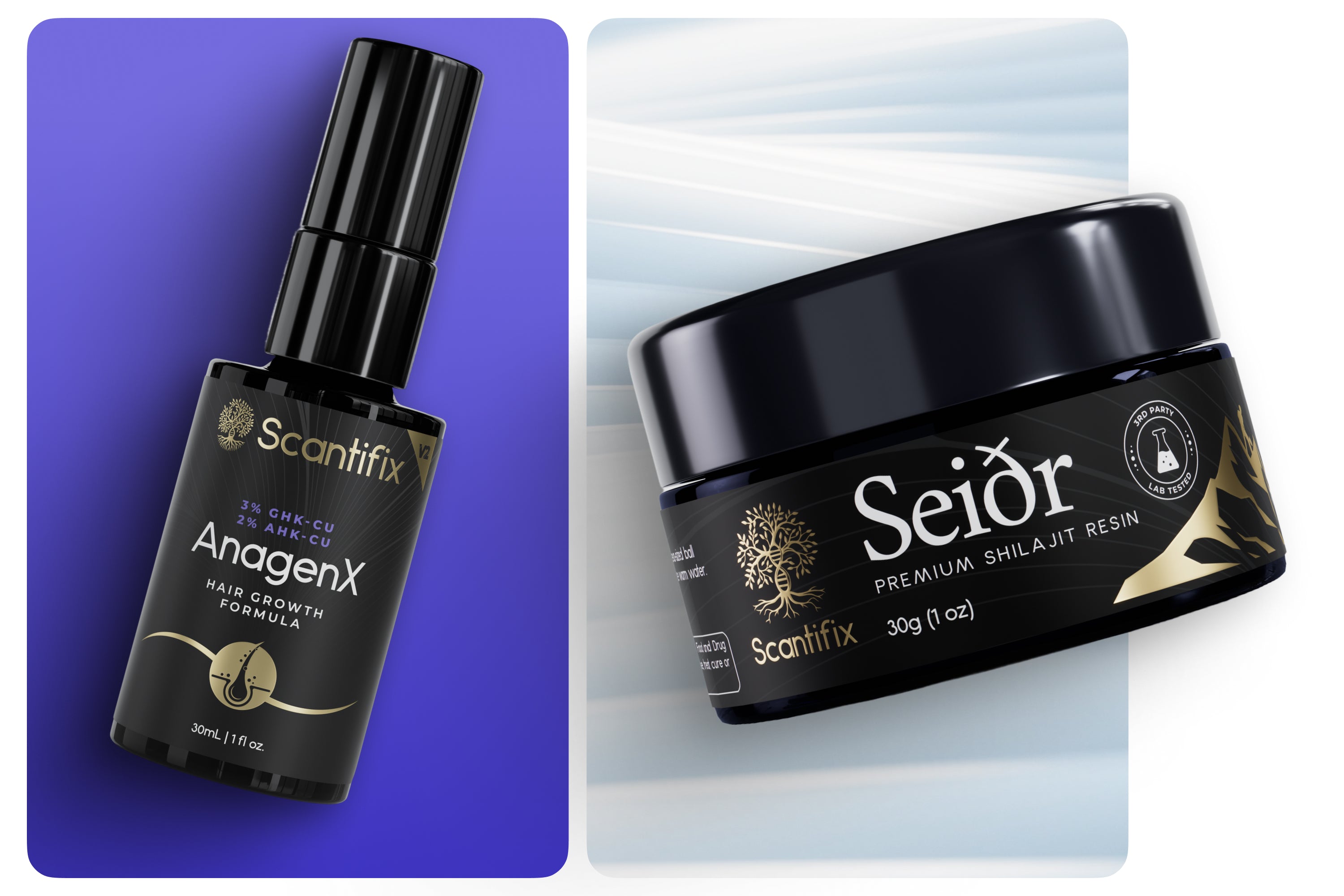
Others focus on reducing mechanical and heat stress, or simplifying their hair care routines to avoid unnecessary strain on already-changing hair. Some explore targeted topical approaches like peptides for hair growth, red light therapy, or scalp treatments designed to support follicle signaling and circulation.
These approaches work best when used consistently over time rather than as quick fixes. When changes feel sudden, ongoing, or difficult to interpret, consulting a dermatologist or qualified hair professional can provide additional clarity and help rule out underlying factors.
Understanding Leads to Better Care
The first signs of hair thinning are often subtle and biological, not dramatic or immediately visible. Noticing them doesn't mean something is wrong or that hair loss is inevitable. It means your hair and scalp are changing in ways that are worth understanding.
Recognizing how hair thinning begins empowers you to make informed, intentional choices about your hair care. At Scantifix, our approach centers on education, transparency, and biologically aligned formulations that support the body's natural processes. When care is rooted in understanding, it becomes more sustainable and effective over time.




Leave a comment
All comments are moderated before being published.
This site is protected by hCaptcha and the hCaptcha Privacy Policy and Terms of Service apply.