


People familiar with microneedling know it stimulates collagen. That's the main appeal of the treatment. But what actually happens in the hours and days after microneedling creates those controlled injuries? What does "controlled injury" even mean at a cellular level? And why do some products work better than others during that window?
The biology of skin repair helps answer these questions. Microneedling sets a cascade in motion, and understanding what happens at each stage explains why timing, formulation quality, and ingredient compatibility matter for post-microneedling care.
Microneedling as a Biological Trigger
Microneedling works by creating tiny, controlled injuries in the skin. These micro-injuries are deliberate signals that activate the body's natural repair systems.
The skin responds immediately. Growth factors are released. Immune cells mobilize. Fibroblasts receive signals to start building new tissue. The process leading to collagen synthesis ramps up.
This process doesn't happen all at once. It unfolds in distinct phases over roughly 72 hours, each with its own biological priorities. Understanding these phases helps you see what's actually happening to your skin and what it needs during recovery.
The First 2 Hours: Inflammatory Activation
In the minutes immediately following microneedling, the controlled injury acts as a stress signal, immediately activating the skin's repair systems.
Microchannels have just formed. The stratum corneum, your skin's protective outer layer, is temporarily disrupted. Barrier function drops. Transepidermal water loss spikes, meaning the skin can't hold onto moisture as effectively (Han et al., 2012).
The immune system detects the injury and responds by flooding the area with inflammatory cytokines and growth factors like PDGF (platelet-derived growth factor) and TGF-β (transforming growth factor beta) (Costa et al. 2022). These alarm signals are actually instructions. PDGF tells cells to migrate to the injury site. TGF-β initiates signaling pathways that lead to collagen synthesis (Barrientos et al. 2008).
The inflammation you see (redness, warmth, slight swelling) is the visible evidence of this coordinated response. The microchannels are wide open, and the skin's ability to keep things out is at its most compromised during this window.
This is why preparation matters. Clean hands and face, and sterilized needle cartridges are essential. These channels can't discriminate between beneficial compounds and potential contaminants–it’s all getting absorbed. Some microneedling devices have integrated serum systems. If you're using such a feature, your serum should be approved for use during microneedling. For DIY or unverified serums, we recommend using a 0.22 micron sterilization syringe filter to filter out microscopic bacteria.
Hours 2-24: Transition to Rebuilding
By the time a few hours have passed, the initial inflammatory surge is settling into something more organized. The skin shifts from "respond to injury" mode to "start rebuilding" mode.
Microchannels are narrowing but haven't fully closed. Permeability is still elevated, though less dramatically than in the first hour. Fibroblasts, the cells responsible for producing collagen, elastin, and other structural proteins, are becoming more active. They're responding to those early growth factor signals and beginning to ramp up production.
At this point, fibroblasts are preparing for collagen synthesis, though actual collagen production begins around 3-5 days in and won’t peak for weeks (Singh & Yadav, 2016). The shift from inflammation to rebuilding happens gradually, not all at once.
Hours 24-72: Proliferation and Early Remodeling
By the second and third day post-treatment, the visible signs of microneedling (redness, minor swelling) typically fade. But beneath the surface, repair work is intensifying.
This is the proliferative phase, when cells actively multiply and rebuild tissue. Fibroblasts are gearing up for intensive collagen production, which will accelerate over the following weeks as the skin enters its remodeling phase (Singh & Yadav, 2016; Aust et al., 2008).
The extracellular matrix, the structural scaffolding that gives skin its firmness and resilience, is being remodeled and rebuilt (Barrientos et al., 2008). Blood flow to the area increases, delivering oxygen and nutrients to support this energy-intensive process.
The microchannels have closed by now, and barrier function is largely restored (Han et al., 2012). But cellular activity remains elevated. The skin is still prioritizing repair over maintenance, remaining metabolically active as newly formed collagen fibers gradually organize and strengthen — a process that continues for several months after treatment (El-Domyati et al., 2015)
Products During Microneedling Aftercare
Now that you understand what's happening at each phase, how does this inform product application?
Microneedling triggers the collagen production cascade through mechanical injury. That signal has been sent the moment needles enter the skin. Product application supports the repair process but doesn't create it. Collagen production will happen whether you apply products immediately, wait several hours, or skip topicals entirely during the 72-hour window.
Skin is most permeable immediately after microneedling. The microchannels are widest and barrier function is most compromised during the first couple hours (Gupta et al., 2011; Han et al., 2012). Some people choose to take advantage of this window to apply compatible formulations, knowing that certain molecules can penetrate deeper than they would through intact skin. Others prefer to wait and see how their skin reacts before introducing any products.
There's no single right approach. What matters is understanding your skin and going slowly, especially if you're new to microneedling or have sensitive skin. Pay attention to how your skin responds. If you're unsure about timing or product selection, consult with a skincare professional who can assess your specific skin type and treatment depth.
Compatibility over complexity. When barrier function is altered and cellular repair is active, clean, simple formulations are best. Complex formulas with long ingredient lists, fragrances, or other additives can introduce unnecessary variables when your skin is already managing intensive repair work. High-strength acids, retinoids, or other harsh actives don't align with repair biology during the 72-hour window, even if they're beneficial at other times.
Why Quality Matters
During this vulnerable repair period, ingredient quality becomes especially important. High-purity formulations with transparent ingredient lists reduce the variables your skin has to manage during an already intensive process.
Look for products backed by third-party testing and certificates of analysis. This verification matters for any active ingredient - whether you're working with peptides, hyaluronic acid, or other repair-supportive compounds. Transparency shows you what's actually going on your skin when it's most vulnerable.
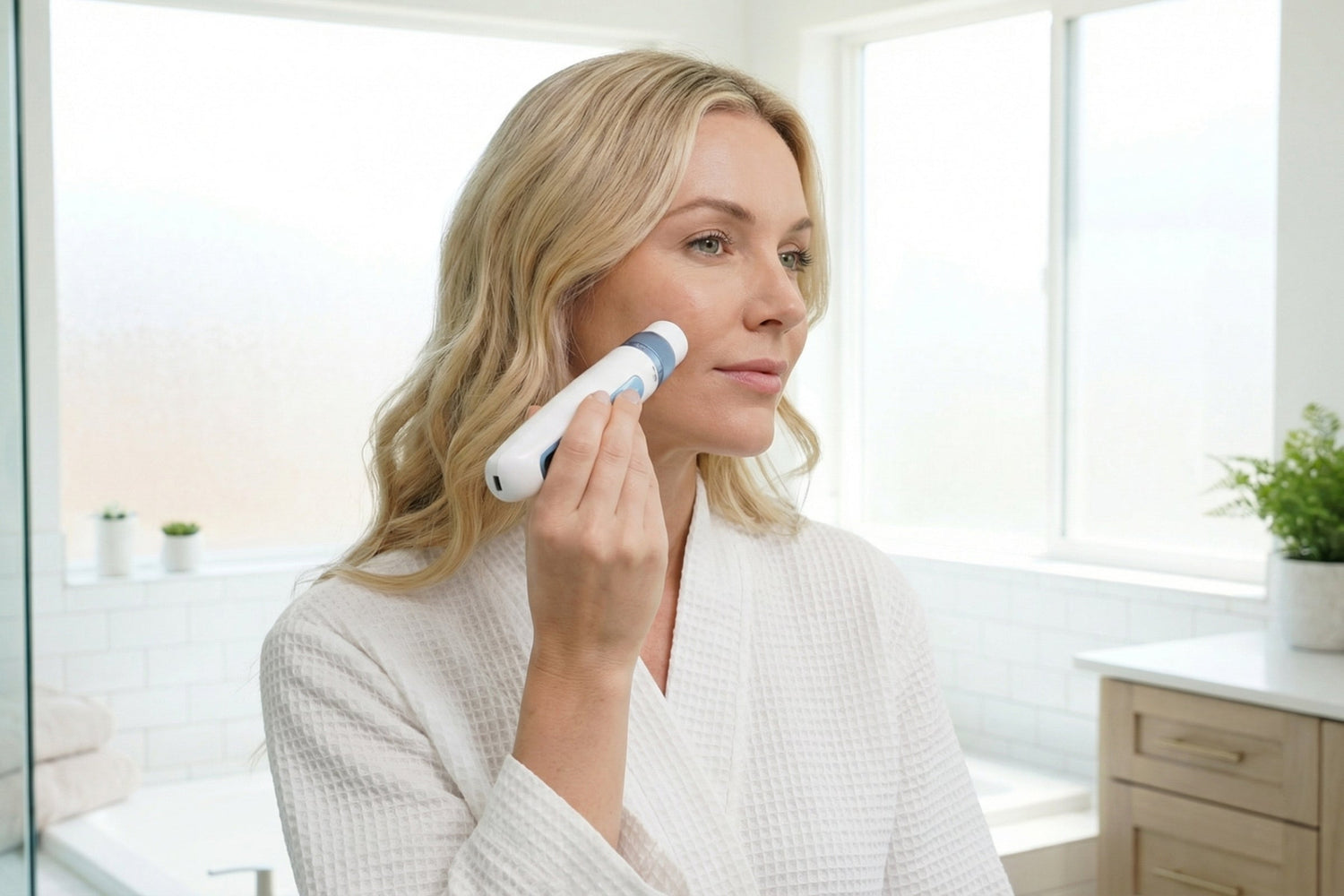
The same quality standards apply to microneedling devices. Adjustable depth control, hygienic cartridge systems, and durable construction provide the foundation for safe, consistent treatment.
Supporting Repair Without Overcomplicating It
The 72 hours following microneedling are when your skin does its most intensive repair work. Inflammation activates repair signals. Proliferation begins rebuilding tissue. Remodeling strengthens and organizes new collagen.
Understanding this timeline helps you make decisions based on biology rather than guessing. The goal of post-microneedling care is supporting your skin's natural repair process, without interfering with it or trying to force faster results.
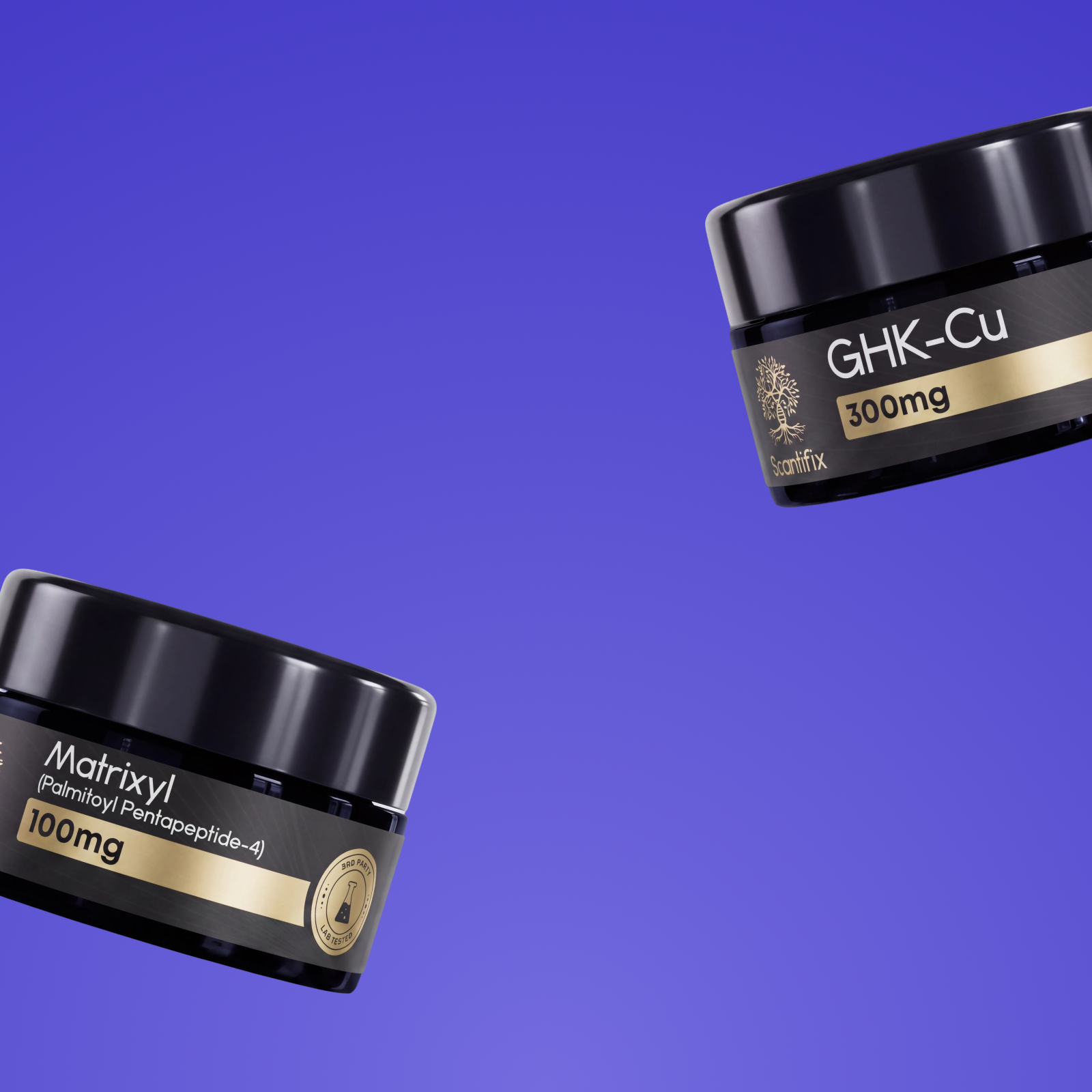
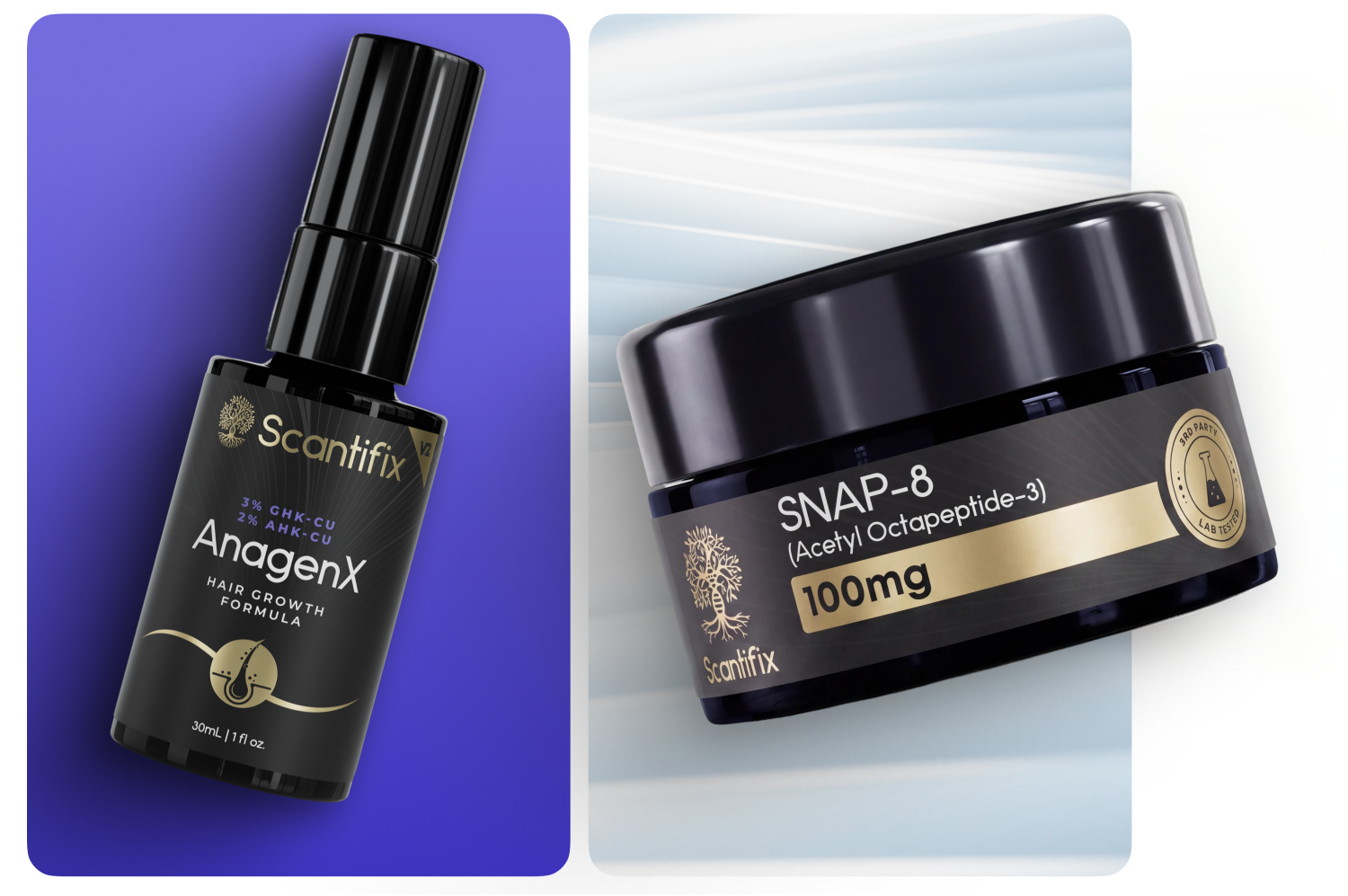
At Scantifix, we create high-purity formulations and precision devices designed to support skin biology during repair. Every product is independently tested and backed by certificates of analysis for verifiable quality when your skin needs it most.

Resources:
Aust, M. C., Reimers, K., Kaplan, H. M., Stark, G. B., & Vogt, P. M. (2008). Percutaneous collagen induction therapy: An alternative treatment for scars, wrinkles, and skin laxity. Plastic and Reconstructive Surgery, 121(4), 1421–1429. https://pubmed.ncbi.nlm.nih.gov/18349665/
Barrientos, S., Stojadinovic, O., Golinko, M. S., Brem, H., & Tomic-Canic, M. (2008). Growth factors and cytokines in wound healing. Wound Repair and Regeneration, 16(5), 585–601. https://doi.org/10.1111/j.1524-475X.2008.00410.x
Costa, M. A., Freire, É. S., Andrade, M. C. V., Silva, M. R., Castañon, M. C. M. N., & Raposo, N. R. B. (2022). Microneedling and epidermal growth factor (EGF) as strategies for the acne scars treatment. Surgical & Cosmetic Dermatology, 14, e20220068. https://www.redalyc.org/journal/2655/265570220017/html/
El-Domyati, M., et al. (2015). Microneedling therapy for atrophic acne scars: An objective evaluation. Journal of Cosmetic Dermatology, 14(3), 260–266. https://pmc.ncbi.nlm.nih.gov/articles/PMC4509584/
Gupta, J., Felner, E. I., & Prausnitz, M. R. (2011). Kinetics of skin resealing after insertion of microneedles in human subjects. Journal of Controlled Release, 154(2), 148–155. https://pmc.ncbi.nlm.nih.gov/articles/PMC3164267/
Han, T. Y., Park, K. Y., Ahn, J. Y., Kim, S. W., Jung, H. J., & Kim, B. J. (2012). Facial skin barrier function recovery after microneedle transdermal delivery treatment. Dermatologic Surgery, 38(11), 1816–1822. https://doi.org/10.1111/j.1524-4725.2012.02550.x
Singh, A., & Yadav, S. (2016). Microneedling: Advances and widening horizons. Indian Dermatology Online Journal, 7(4), 244–254. https://doi.org/10.4103/2229-5178.185468

Leave a comment
All comments are moderated before being published.
This site is protected by hCaptcha and the hCaptcha Privacy Policy and Terms of Service apply.